Seoul floods: Heavy rain batters South Korea's capital, 129 emergency calls logged
Synopsis
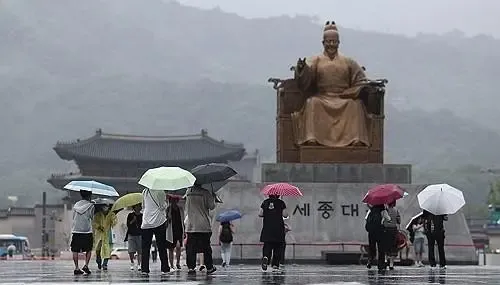
A single Sunday storm turned Seoul's streets into rivers — Gangbuk Ward recorded 53.5 mm in one hour, 16 urban streams were shut, and 129 emergency calls flooded the city's fire services. The Grand Mint Festival was cancelled, roads blocked, and knee-deep water reported in Eunpyeong Ward. South Korea's capital activated Level 1 emergency protocols even as damage reports kept coming in after the rain began to ease.
Key Takeaways
Seoul was hit by heavy downpours and strong gusts on 18 October 2026 , causing urban flooding across the capital.
Gangbuk Ward recorded the country's highest hourly rainfall at 53.5 mm ; cumulative rainfall there reached 65 mm by 5:00 pm.
Seoul fire authorities received 129 emergency calls — 47 for drainage, 21 for fallen trees, and 60 safety inspection requests.
City officials restricted access to 16 major urban streams and activated Level 1 emergency protocols at 2:40 pm .
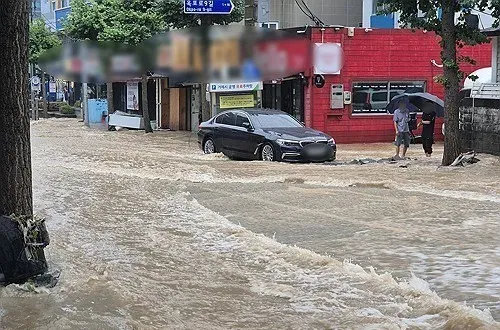
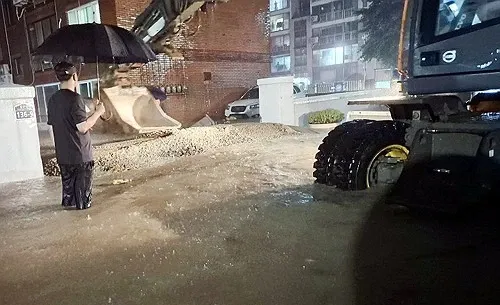
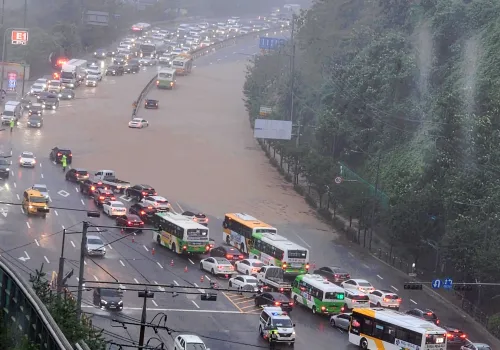
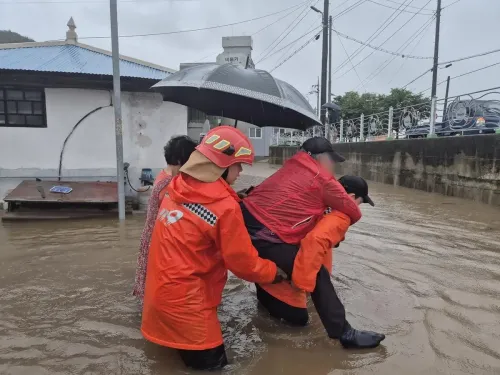
Roads under Jeungsan Bridge in Seodaemun Ward were blocked; a tree fell on a road in Gangnam Ward ; water rose above knee level in Eunpyeong Ward .
The Grand Mint Festival at Olympic Park in Songpa was cancelled due to the weather.
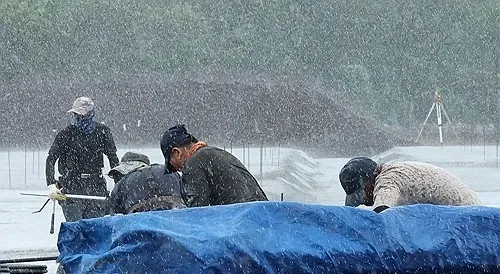
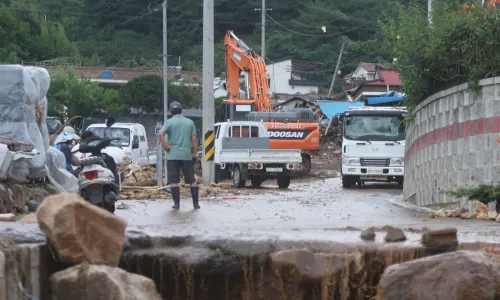
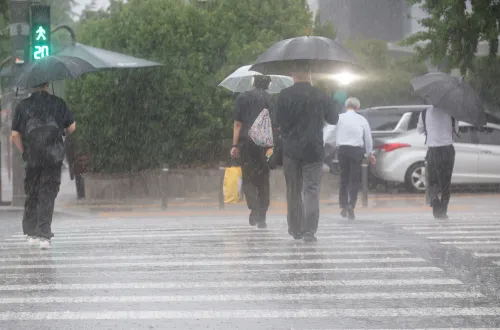
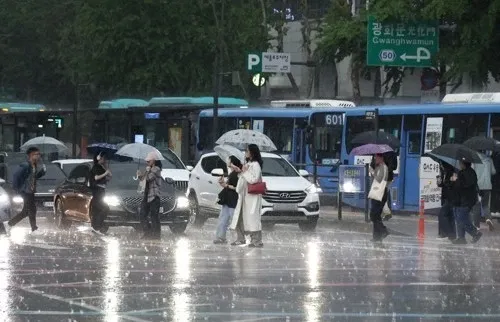
Seoul was battered by heavy downpours and strong gusts on Sunday, 18 October 2026, triggering urban flooding, traffic disruptions, and safety hazards across South Korea's capital. City fire authorities logged 129 emergency calls by 5:00 pm local time, as inundated roads, fallen trees, and clogged drainage systems stretched emergency services.
Rainfall Intensity and Peak Zones
Gangbuk Ward in northern Seoul recorded a peak hourly rainfall of 53.5 millimetres — the highest hourly intensity logged anywhere in the country during the storm. Cumulative rainfall in the ward reached 65 mm by 5:00 pm, while the southern Songpa District recorded the city's lowest accumulation at 20 mm. Heavy rain advisories covering the northeastern, northwestern, and southwestern districts were lifted at 3:30 pm, though scattered showers continued through the afternoon.
Emergency Response and Alerts
Seoul activated Level 1 emergency response protocols at 2:40 pm and partially operated 12 rainwater pumping stations to clear flooded roads. An emergency text alert was sent to residents at 3:16 pm, urging them to avoid low-lying and high-risk areas. Of the 129 emergency calls received, 47 were for drainage assistance, 21 reported fallen trees, and 60 were safety inspection requests for public facilities. City officials also restricted access to 16 major urban streams as water levels rose.
Traffic Disruptions and Street-Level Impact
Roads beneath the Jeungsan Bridge in Seodaemun Ward were completely blocked around 3:04 pm due to flooding. Weather warnings were issued for major highways, advising drivers to exercise caution on wet roads and against high winds. A tree fell onto a busy road in Gangnam Ward in southern Seoul, obstructing both traffic and pedestrians. In Eunpyeong Ward in northwestern Seoul, water levels in some low-lying areas rose above the knees. Municipal officials noted that fallen leaves swept by gale-force winds had clogged drainage systems, compounding the flooding. Some shop owners were seen manually clearing leaf-blocked catch basins to speed up drainage.
Events Cancelled, Damage Ongoing
The storm forced the cancellation of major outdoor events, including the Grand Mint Festival scheduled at Olympic Park in Songpa. A Seoul official said damage reports were still coming in even as rainfall appeared to ease. 'Although the rain appears to be letting up, reports of damage continue to come in,' the official said. 'Our primary focus is on rapidly resolving pending safety reports and preventing secondary accidents in close cooperation with district offices.'
Authorities have urged residents to remain cautious as secondary hazards — including waterlogged roads and weakened infrastructure — persist in the storm's aftermath.
Point of View
Despite decades of upgrades, remains vulnerable to concentrated high-intensity rainfall events — the kind climate projections suggest will become more frequent. The detail that fallen leaves, not just rain volume, clogged city drains points to a maintenance gap that is both seasonal and solvable. With 16 streams shut and knee-deep flooding in residential wards, the city's Level 1 response was warranted, but the speed at which secondary hazards accumulate — even after the rain eases — raises questions about last-mile emergency communication and rapid-response deployment at the district level.
NationPress
18 Oct 2026
Frequently Asked Questions
What caused the flooding in Seoul on 18 October 2026?
Heavy downpours accompanied by strong gusts struck Seoul on 18 October, with peak hourly rainfall of 53.5 mm recorded in Gangbuk Ward — the highest in South Korea during the storm. Gale-force winds swept fallen leaves into drainage systems, clogging them and worsening urban flooding.
How many emergency calls did Seoul receive during the storm?
Seoul fire authorities received 129 emergency calls by 5:00 pm local time. These comprised 47 calls for drainage assistance, 21 reports of fallen trees, and 60 safety inspection requests for public facilities.
Which areas of Seoul were most severely affected?
Gangbuk Ward in northern Seoul recorded the highest rainfall — 65 mm cumulatively and 53.5 mm in a single hour. Eunpyeong Ward saw water levels rise above the knees in low-lying areas, while roads under Jeungsan Bridge in Seodaemun Ward were completely blocked. A tree also fell on a road in Gangnam Ward.
What emergency measures did Seoul authorities activate?
Seoul activated Level 1 emergency response protocols at 2:40 pm and partially operated 12 rainwater pumping stations to clear flooded roads. An emergency alert text was sent to residents at 3:16 pm, and access to 16 major urban streams was restricted as water levels rose.
What events were cancelled due to the Seoul storm?
The Grand Mint Festival, a major outdoor event scheduled at Olympic Park in Songpa District, was cancelled due to the inclement weather. Weather warnings were also issued for major highways, advising drivers to exercise caution.