South Korea condemns Houthi strikes on Riyadh airport, urges immediate halt
Synopsis
Two Houthi strikes on Riyadh's King Khalid International Airport within 24 hours killed 13 people — including nationals of seven countries — and injured over 300. South Korea's condemnation spotlights what is increasingly a global flashpoint: attacks on civilian infrastructure that directly threaten international supply chains and energy security.
Key Takeaways
South Korea's foreign ministry condemned Houthi rebel attacks on civilian facilities in Saudi Arabia on 14 October 2026 .
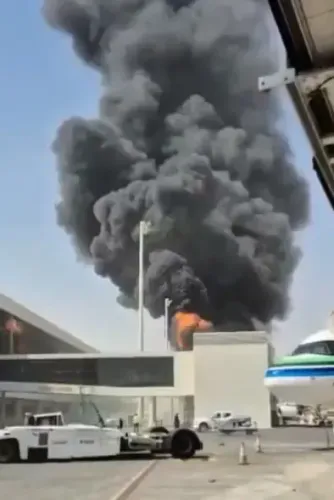
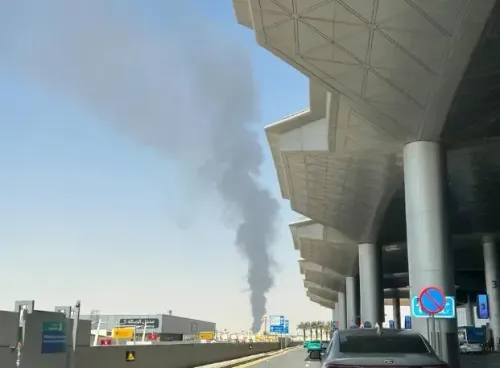
Two consecutive strikes hit King Khalid International Airport in Riyadh on 10 and 11 October 2026 .
The first strike killed 12 people of seven nationalities and injured 309 others , according to Saudi Arabia's GACA .
A second strike the following day killed 1 person and wounded 11 more .
Seoul cited global supply chains and energy security as key reasons for its stake in Middle East stability.
South Korea called for an 'immediate halt' to all attacks targeting civilians and civilian infrastructure.
South Korea's foreign ministry on Wednesday, 14 October 2026, strongly condemned a series of deadly attacks carried out by Yemen's Houthi rebels on civilian facilities in Saudi Arabia, demanding an immediate cessation of such hostilities. The condemnation follows two consecutive strikes on King Khalid International Airport in Riyadh that killed at least 13 people and injured more than 300 others within a span of two days.
The Riyadh Airport Attacks
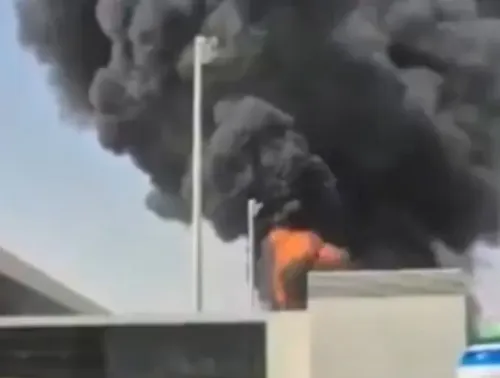
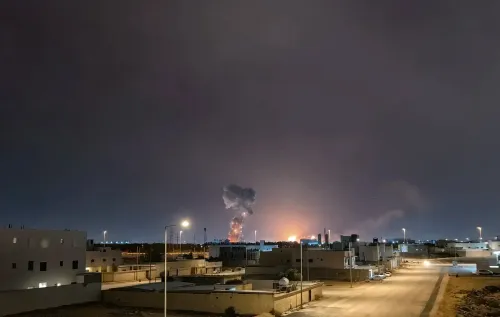
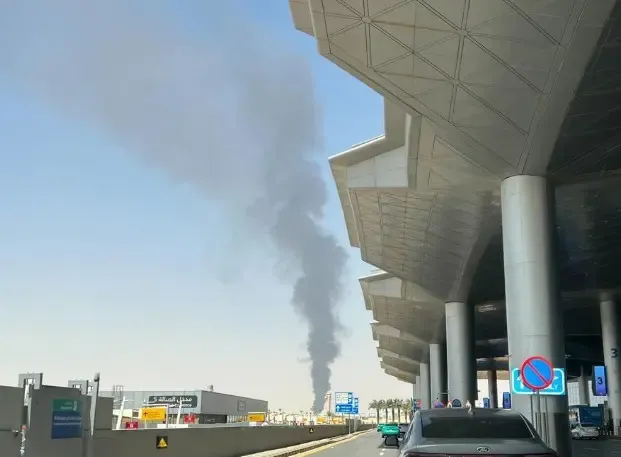
The first strike, carried out on Saturday, 10 October 2026, proved the deadlier of the two. Saudi Arabia's General Authority of Civil Aviation (GACA) confirmed in an official post on X that the attack resulted in 12 fatalities — including 4 Saudi citizens and residents of Bangladeshi, American, Egyptian, Jordanian, Syrian, Palestinian, and Sudanese nationalities — and left 309 others injured, with several in critical condition. The authority noted that all injured individuals were receiving medical care at multiple hospitals and that property damage was still being assessed.
A second strike the following day, Sunday, 11 October 2026, killed 1 person and wounded 11 more, according to reports. The attacks represent a sharp escalation in the ongoing exchange of strikes between Houthi forces and Saudi Arabia, with major airports emerging as flashpoints.
Seoul's Condemnation
'We strongly condemn the recent attacks by the Houthi rebels targeting civilian facilities, including the international airport in Riyadh,' South Korea's foreign ministry said in an official statement. 'We reiterate that attacks on civilians and civilian infrastructure are absolutely unacceptable and once again urge an immediate halt to these hostile acts,' the statement added.
The ministry extended sincere condolences to the victims and their families, and expressed solidarity with the Saudi government and people.
Why Seoul Has a Stake in Middle East Stability
South Korea's response goes beyond diplomatic formality. The ministry explicitly underscored that peace and stability in the Middle East are of direct importance to the international community — including South Korea — in the context of global supply chains and energy security. South Korea is one of the world's largest importers of crude oil, with a significant share sourced from the Gulf region, making disruptions to Saudi infrastructure a matter of national economic concern.
This comes amid a broader pattern of Houthi escalation targeting critical civilian and commercial infrastructure, which has drawn condemnation from multiple governments and international bodies over recent months.
What Comes Next
The international community is watching closely as the exchange of strikes between the Houthis and Saudi Arabia shows no immediate sign of abating. Seoul's call for an 'immediate halt' mirrors similar appeals from other nations and international organisations, though a diplomatic resolution remains elusive. Further strikes on civilian infrastructure could trigger broader multilateral pressure on parties supporting the Houthi movement.
Point of View
The US, Egypt, Jordan, Syria, Palestine, and Sudan died in a single attack on a civilian airport, underscoring the indiscriminate reach of these strikes. As international condemnations accumulate without enforcement, the Houthis have little incentive to stand down, and the pattern of targeting civilian airports — rather than purely military assets — marks a qualitative escalation that merits a stronger multilateral response than statements of condolences alone.
NationPress
14 Oct 2026
Frequently Asked Questions
What did South Korea say about the Houthi attacks on Saudi Arabia?
South Korea's foreign ministry strongly condemned the Houthi rebel strikes on civilian facilities in Saudi Arabia, including King Khalid International Airport in Riyadh, and called for an immediate halt to such attacks. Seoul also expressed condolences to victims and solidarity with the Saudi government.
What happened at King Khalid International Airport in Riyadh?
Two consecutive Houthi strikes hit King Khalid International Airport in Riyadh on 10 and 11 October 2026. The first attack killed 12 people of multiple nationalities and injured 309 others; the second killed 1 person and injured 11 more, according to Saudi Arabia's General Authority of Civil Aviation.
Why does South Korea have an interest in Middle East stability?
South Korea is one of the world's largest importers of crude oil, much of it sourced from the Gulf region. Its foreign ministry explicitly cited global supply chains and energy security as reasons why Middle East stability matters to Seoul and the broader international community.
Who were the victims of the Riyadh airport attack?
According to Saudi Arabia's GACA, the 12 fatalities in the 10 October attack included 4 Saudi citizens and nationals of Bangladesh, the United States, Egypt, Jordan, Syria, Palestine, and Sudan. The 309 injured included individuals in critical condition who were being treated at multiple hospitals.
What is the broader context of Houthi attacks on Saudi Arabia?
The Riyadh airport strikes are part of an ongoing exchange of attacks between Yemen's Houthi forces and Saudi Arabia. The targeting of major civilian airports marks a notable escalation, drawing condemnation from multiple governments and raising international concerns about threats to civilian infrastructure and global supply chains.