Nepal floods: South Korea cancels helicopter search for 9 missing nationals
Synopsis
Nine South Korean workers — employed at a hydroelectric plant in Nepal's Rasuwa district — remain missing after devastating Himalayan floods, while Seoul's helicopter search has been grounded by Nepali authorities over safety concerns. With Nepal resisting foreign search-and-rescue help and a KDRT deployment still pending Kathmandu's approval, the window for the missing workers is narrowing.
Key Takeaways
South Korea and Doosan Enerbility Co. cancelled plans to send two helicopters to Nepal on 30 August after flight authorisation was denied.
Nine South Korean nationals — six Doosan Enerbility employees and three Korea South-East Power Co. workers — remain missing since floods struck Rasuwa district on Wednesday.
A government helicopter flew twice from Kathmandu on Saturday but could not land; search was conducted visually.
Ten other Doosan workers isolated at a separate location have been safely evacuated.
Seoul has offered to deploy a Korea Disaster Relief Team (KDRT) , pending Nepal's formal acceptance.
Nepal's Foreign Minister Shisir Khanal said the country needs technical help for infrastructure, not foreign search-and-rescue support.
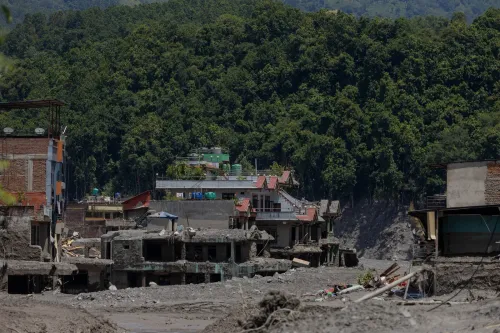
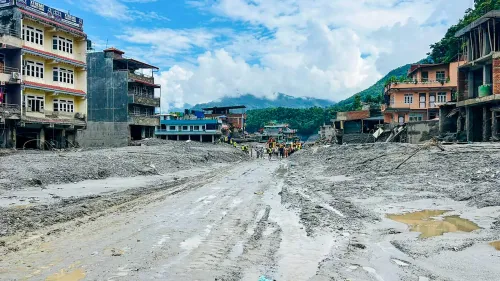
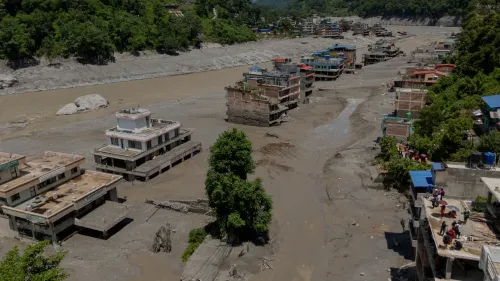
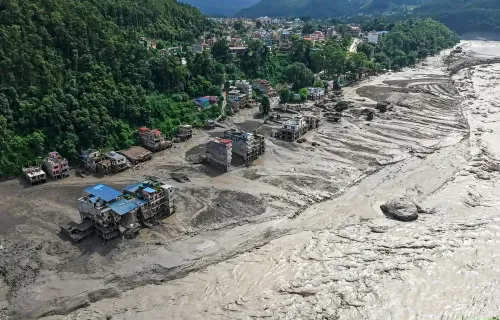
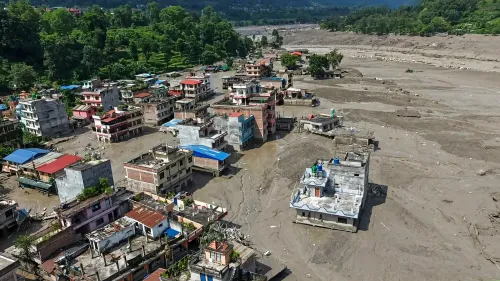
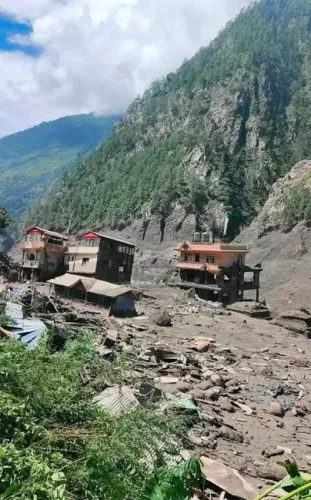
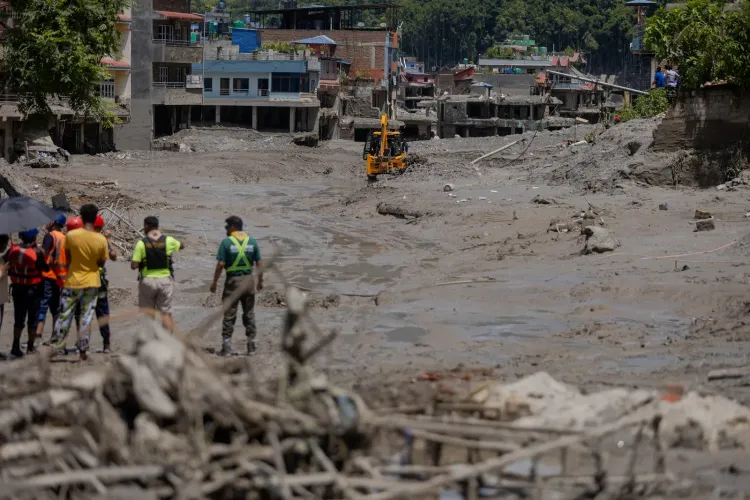
The South Korean government and energy conglomerate Doosan Enerbility Co. on Sunday, 30 August cancelled plans to deploy two search helicopters over Nepal's flood-hit Himalayan region after Nepali authorities declined to grant flight authorisation on safety grounds. The move leaves nine South Korean nationals — six Doosan Enerbility employees and three workers from Korea South-East Power Co. — still unaccounted for since catastrophic floods struck the area on Wednesday.
Why the Helicopters Were Grounded
Two aircraft had been lined up for the search: one chartered by Seoul's rapid response team and a second by Doosan Enerbility. The Nepali government withheld flight clearance, citing safety concerns over the region's difficult terrain and weather, placing both helicopters on standby until further notice.
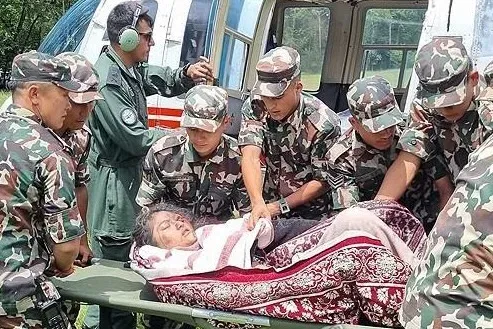
On Saturday, a government-chartered helicopter carrying four rapid response team members had flown twice from Kathmandu toward the flood site — reportedly the only non-Nepali aircraft cleared to operate that day. The helicopter was unable to land, and the crew instead conducted a visual search, with footage from the flights subsequently analysed.
Who Is Missing and Where
The nine missing workers had been stationed at a hydroelectric power plant construction site in Rasuwa district, in Nepal's north-central Himalayan border area, when the floods struck. Ten other Doosan workers who had been isolated at a separate location were successfully evacuated to safety.
Seoul's Diplomatic Push
On Saturday, Seoul formally offered to deploy a Korea Disaster Relief Team (KDRT) — a statutory emergency response unit — and is currently in talks with Nepali authorities. 'We are fully preparing to dispatch a KDRT at any time once the Nepali side accepts our proposal,' a South Korean Foreign Ministry official said. The KDRT can provide personnel and supplies for search and rescue, medical, and other relief missions, but only upon an explicit request from the host country.
Nepal's Stance on Foreign Assistance
Nepal's Foreign Minister Shisir Khanal stated on Friday that the country requires specialised technical assistance to restore transportation and communication infrastructure, but not external help with search and rescue operations. Seoul acknowledged Kathmandu's position, noting that Nepal is prioritising military and police-led operations given the region's unique terrain. 'We understand that Nepal is prioritising military and police-led search and rescue operations due to the region's unique terrain and weather conditions, and will request foreign assistance when the need arises,' the Seoul official added.
What Happens Next
South Korea's ability to escalate its response remains contingent on Nepal's formal invitation. With communications and transport links in the affected Himalayan zone still severely disrupted, the pace of the search operation depends heavily on local infrastructure recovery — a timeline that neither government has specified publicly.
Point of View
But it carries a real human cost when nine foreign nationals remain unaccounted for in a remote Himalayan zone with degraded communications. Seoul's KDRT framework is designed precisely for this scenario, yet it is hostage to diplomatic protocol. The broader question this episode raises is whether bilateral disaster-response agreements — pre-negotiated, not improvised mid-crisis — should become standard practice for countries whose nationals work in high-risk infrastructure projects in vulnerable geographies. Nepal's infrastructure ambitions depend on foreign labour and capital; a faster, pre-agreed rescue protocol would serve both sides.
NationPress
30 Aug 2026
Frequently Asked Questions
Why did South Korea cancel its helicopter search for missing nationals in Nepal?
The South Korean government and Doosan Enerbility cancelled the deployment of two search helicopters after Nepal's authorities declined to grant flight authorisation, citing safety concerns over the region's terrain and weather. Both aircraft were placed on standby until further notice.
Who are the nine South Koreans missing in Nepal's floods?
The nine missing nationals comprise six employees of Doosan Enerbility Co. and three workers from Korea South-East Power Co. They had been working at a hydroelectric power plant construction site in Rasuwa district when floods struck the north-central Himalayan border area on Wednesday.
What is the Korea Disaster Relief Team (KDRT) and has it been deployed?
The KDRT is South Korea's statutory emergency response unit capable of providing search and rescue, medical, and relief support abroad. As of 30 August, Seoul has offered to deploy it but is awaiting a formal request from Nepal, which has not yet accepted the proposal.
What is Nepal's position on accepting foreign rescue help?
Nepal's Foreign Minister Shisir Khanal said on Friday that the country needs specialised technical assistance to restore transport and communication lines but does not require foreign help with search and rescue. Nepal is prioritising military and police-led operations in the affected region.
Were any South Korean workers rescued from the Nepal flood site?
Yes, ten Doosan Enerbility workers who had been isolated at a location separate from the main flood site were successfully moved to safety. The nine workers at the hydroelectric construction site in Rasuwa district remain unaccounted for.