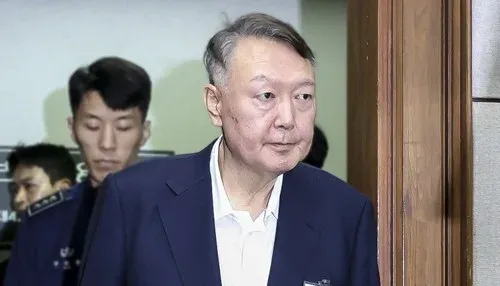
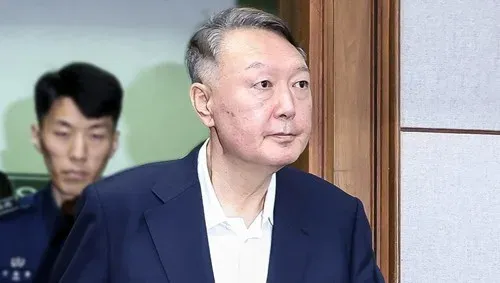
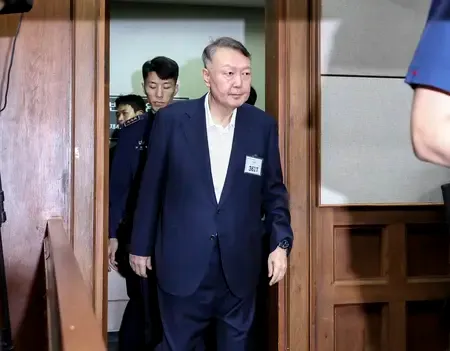
South Korea acquits ex-President Yoon Suk Yeol of perjury in appellate ruling
Synopsis
South Korea's Seoul High Court has acquitted former President Yoon Suk Yeol of perjury for a second time — but the win is narrow. Yoon remains in prison serving a life sentence for insurrection, and his far weightier appellate trial on that conviction is still ongoing. The perjury acquittal changes nothing about his imprisonment.
Key Takeaways
The Seoul High Court acquitted former President Yoon Suk Yeol of perjury on 16 September 2026 , consistent with a lower court acquittal in May .
Yoon had testified he intended to convene a Cabinet meeting before declaring martial law on 3 December 2024 ; the court found no proof of false testimony.
Special counsel Cho Eun-suk 's team had sought a fine of 10 million won (approx.
US$7,332 ) against Yoon.
Yoon remains jailed; a district court sentenced him to life in prison in February for leading an insurrection through his short-lived martial law imposition.
The appellate trial on the insurrection conviction — far more consequential — is still underway.
An appellate court in South Korea on Wednesday, 16 September 2026, acquitted former President Yoon Suk Yeol of perjury charges stemming from his testimony during the insurrection trial of former Prime Minister Han Duck-soo. The Seoul High Court found that Yoon did not appear to have given false testimony, upholding a lower court's earlier acquittal from May.
What the Appellate Court Found
The central question before the court was whether Yoon had lied when he testified that he intended to convene a Cabinet meeting before declaring martial law on 3 December 2024. The Seoul High Court concluded that, given his status and experience, he likely understood the legal requirement and tried to meet the minimum threshold for such a declaration.
In its ruling, the court stated: 'It is difficult to believe that the defendant, given his status and experience, did not know a declaration of martial law should be preceded by deliberations at a Cabinet meeting. In fact, he likely tried to meet the minimum requirements for declaring martial law.'
The Perjury Charges Against Yoon
The special counsel team led by Cho Eun-suk had indicted the former president on perjury charges, alleging that Yoon initially summoned only six Cabinet members to his office before changing course — reportedly at Han's suggestion — to assemble enough members for a full Cabinet quorum. Prosecutors had requested a fine of 10 million won (approximately US$7,332) if convicted.
The appellate court, however, sided with Yoon, ruling that he appeared to have independently intended to call additional Cabinet members, separate from any suggestion made by Han.
Yoon's Broader Legal Jeopardy
The perjury acquittal represents only one thread in a web of legal proceedings surrounding the jailed former president. A district court handed Yoon a life sentence in February after convicting him of leading an insurrection through his short-lived imposition of martial law — a move that triggered his removal from office. The appellate trial on that far weightier insurrection conviction is currently underway.
This comes amid continued political turbulence in South Korea, where Yoon's brief martial law declaration in late 2024 upended the country's political landscape and triggered a constitutional crisis. Notably, the perjury case was the lesser of the charges he faces, and its dismissal does nothing to alter his imprisonment.
What Comes Next
With the insurrection appellate trial still ongoing, Yoon's legal future hinges on the outcome of that proceeding. A reversal of the life sentence would be extraordinary; legal observers in Seoul note that insurrection convictions at this scale are rare in South Korean judicial history. The outcome will have lasting implications for how South Korea's courts interpret executive authority and constitutional limits.
Point of View
And no perjury ruling changes that. The real story is the appellate insurrection trial, where the stakes are existential for Yoon and far more revealing about South Korea's institutional resilience. Coverage focused on the acquittal risks obscuring the fact that this was a secondary charge on a peripheral question; the core verdict on martial law and insurrection is what will define Yoon's legacy and the limits of executive power in South Korean constitutional law.
NationPress
16 Sept 2026
Frequently Asked Questions
What was Yoon Suk Yeol acquitted of?
Former South Korean President Yoon Suk Yeol was acquitted of perjury by the Seoul High Court on 16 September 2026. The charge related to testimony he gave during the insurrection trial of former Prime Minister Han Duck-soo, in which he claimed he had intended to hold a Cabinet meeting before declaring martial law on 3 December 2024.
Is Yoon Suk Yeol still in prison despite the acquittal?
Yes. The perjury acquittal does not affect Yoon's imprisonment. A district court sentenced him to life in prison in February for leading an insurrection through his short-lived declaration of martial law, and he remains in custody while his appellate trial on that conviction continues.
What was the basis for the perjury charge against Yoon?
Special counsel Cho Eun-suk's team alleged that Yoon initially called only six Cabinet members to his office — below the quorum needed — before changing course at Han Duck-soo's suggestion to meet the full Cabinet requirement. Prosecutors argued this made his testimony about intending a full Cabinet meeting false. The Seoul High Court disagreed, finding he likely intended to call additional members independently.
What is the insurrection case against Yoon, and what is its current status?
Yoon was convicted of leading an insurrection through his brief imposition of martial law in December 2024, which triggered his removal from office. A district court sentenced him to life imprisonment in February. An appellate trial on that conviction is currently underway and represents the far more consequential legal proceeding.
How does this ruling compare to earlier court decisions on Yoon?
The Seoul High Court's perjury acquittal is consistent with a lower court ruling from May that also cleared Yoon on the same charge. However, neither acquittal touches the insurrection conviction — a separate and far more serious matter — which has resulted in a life sentence currently under appellate review.