Yoon Suk Yeol's insurrection appeals trial halted after judges recusal bid
Synopsis
Yoon Suk Yeol's insurrection appeal has been frozen before it could properly begin — his lawyers' recusal bid targeting all three judges has legally compelled the Seoul High Court to pause proceedings. With eight simultaneous trials running and a separate four-year prison demand filed just days ago, South Korea's most consequential post-democratic crisis is playing out in slow motion across multiple courtrooms.
Key Takeaways
The Seoul High Court suspended former President Yoon Suk Yeol's insurrection appeals trial on 14 May 2025 after his lawyers filed a recusal petition against all three judges.
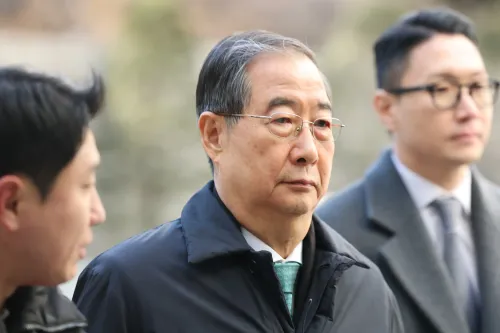
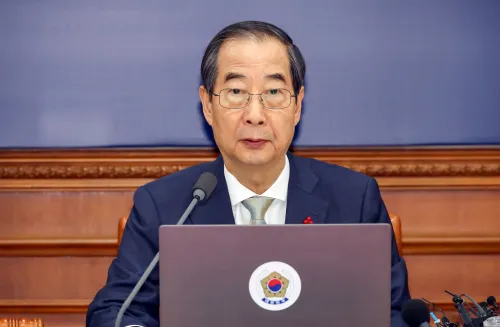
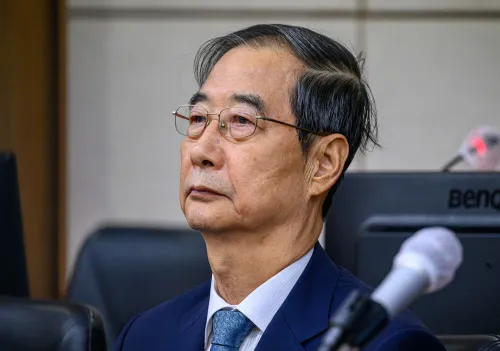
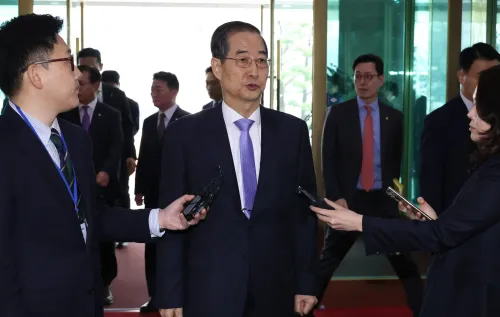
The defence argued the judges were biased after the same bench sentenced former PM Han Duck-soo to 15 years for aiding Yoon's martial law declaration.
South Korean law mandates suspension of proceedings once a recusal request is filed, absent urgent circumstances.
Yoon is simultaneously facing eight trials , covering insurrection, corruption linked to his wife, and the 2023 death of a Marine .
A special counsel separately sought a four-year prison term for Yoon on 12 May over alleged acceptance of free polling services from broker Myung Tae-kyun .
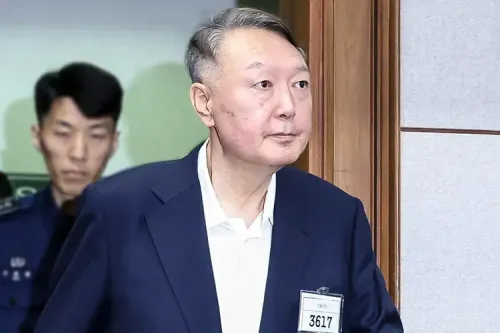
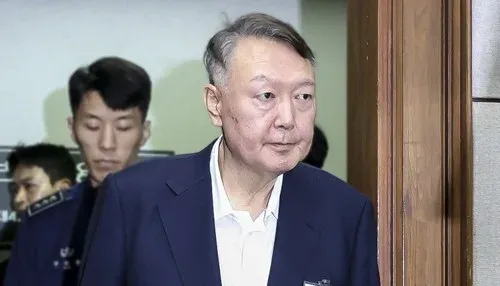
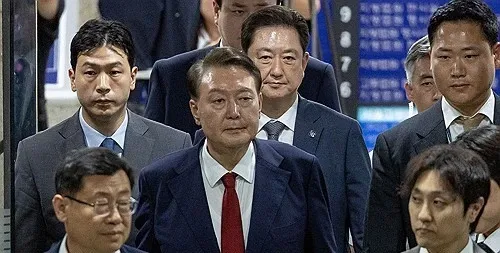
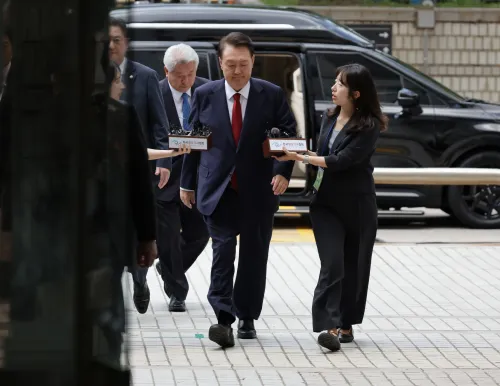
A Seoul High Court bench on Thursday, 14 May suspended the appellate trial of former South Korean President Yoon Suk Yeol on insurrection charges stemming from his failed December 2024 martial law declaration, after his legal team formally sought the removal of all three presiding judges. The court announced it would reschedule the hearing to a later date, halting what had been anticipated as the first substantive appellate session following a lower court's life imprisonment verdict against Yoon.
Why the Trial Was Suspended
Yoon's lawyers filed a recusal petition arguing that the three judges could not be expected to deliver an impartial verdict. The defence contended that the same bench had effectively prejudged Yoon's culpability during the recent appellate trial of former Prime Minister Han Duck-soo, who was sentenced to 15 years in prison last week for his role in aiding and abetting Yoon's martial law declaration. Under South Korean law, trial proceedings must be suspended once a recusal request is filed, unless the situation is deemed urgent — an exception the court did not invoke here.
What the Court Said
The bench stated: '(We) have decided to separate proceedings on former President Yoon Suk Yeol and schedule the hearing date at a later time.' Neither Yoon nor his legal representatives appeared at Thursday's session. The same court also handles cases involving seven other officials accused of participating in Yoon's martial law bid, and those proceedings were not disrupted.
The Scale of Yoon's Legal Exposure
The insurrection appeal is one of eight separate trials the jailed former president is currently facing. The broader legal proceedings encompass not only the martial law insurrection charges but also corruption allegations involving his wife and questions surrounding the 2023 death of a Marine. The sheer volume of simultaneous proceedings is without modern precedent for a South Korean head of state.
Separately, on 12 May, a special counsel team sought a four-year prison term for Yoon on charges of allegedly accepting free polling services from self-described political broker Myung Tae-kyun — a case running parallel to the insurrection proceedings.
Background: The Martial Law Crisis
Yoon declared martial law in December 2024 in what proved to be a short-lived and constitutionally contested move. The National Assembly voted to lift the declaration within hours, triggering his impeachment, arrest, and subsequent prosecution. A lower court convicted him of leading an insurrection and sentenced him to life imprisonment — a verdict his legal team is now contesting in the Seoul High Court. The case has drawn intense domestic and international scrutiny, raising fundamental questions about executive power and democratic guardrails in South Korea.
What Happens Next
The Seoul High Court must first rule on the recusal petition before the appellate hearing can resume. Legal analysts note that recusal decisions in high-profile political trials can take weeks, further delaying a verdict that South Korea's political establishment and foreign observers are closely watching. The outcome of the insurrection appeal carries significant implications for South Korean constitutional law and the accountability of senior officials involved in the martial law episode.
Point of View
But it carries real legal weight here — the same judges did rule substantively on Han Duck-soo's insurrection role, creating a defensible bias argument. What is striking is how methodically Yoon's legal team is stretching every procedural avenue across eight simultaneous trials, effectively turning the South Korean judiciary into a multi-front war of attrition. The deeper question mainstream coverage underplays is institutional: South Korea's courts are being stress-tested by a volume and velocity of high-stakes political prosecutions they were not designed to handle at once. How the Seoul High Court rules on recusal will signal whether judicial independence can hold its shape under sustained political pressure from all sides.
NationPress
22 Sept 2026
Frequently Asked Questions
Why was Yoon Suk Yeol's insurrection appeals trial halted?
The Seoul High Court suspended the trial on 14 May 2025 after Yoon's lawyers filed a recusal petition seeking the removal of all three presiding judges. Under South Korean law, proceedings must pause until a recusal request is resolved, unless the court deems the situation urgent.
What was the basis for the recusal request?
Yoon's legal team argued the three judges could not be impartial because the same bench had effectively found Yoon guilty of insurrection while adjudicating the appeal of former Prime Minister Han Duck-soo, who was sentenced to 15 years last week for aiding the martial law declaration.
What sentence did Yoon Suk Yeol receive from the lower court?
A lower court convicted Yoon of leading an insurrection and sentenced him to life imprisonment over his short-lived declaration of martial law in December 2024, which the National Assembly overturned within hours.
How many trials is Yoon Suk Yeol currently facing?
Yoon is standing a total of eight simultaneous trials. These cover the insurrection charges, corruption allegations involving his wife, the 2023 death of a Marine, and — most recently — allegations of accepting free polling services from political broker Myung Tae-kyun, for which prosecutors sought a four-year term on 12 May.
What happens next in the insurrection appeals case?
The Seoul High Court must first decide on the recusal petition before the appellate hearing can resume. Legal analysts expect the ruling could take several weeks, further delaying the appellate verdict in South Korea's most consequential post-presidential prosecution.