Sri Lanka dengue cases hit 61,060; Western Province hospitals overwhelmed
Synopsis
Sri Lanka's dengue crisis is deepening faster than hospitals can absorb it. With 61,060 cases recorded, a new virus strain circulating that much of the population has never encountered before, and Western Province hospitals already at capacity, health authorities are racing to contain an outbreak that peaked in June — and may not have peaked for good.
Key Takeaways
Sri Lanka has recorded 61,060 dengue cases so far in 2025, with 2,604 new infections in the past 24 hours .
Western Province accounts for 32,054 cases — 52.5% of the national total — and its hospitals have reached maximum capacity.
June 2025 was the worst month of the year, recording 21,546 infections.
The NDCU has flagged 142 MOH divisions as high-risk dengue zones nationwide.
A new dengue strain with several genetic changes is circulating, raising transmission risk among a largely unexposed population, according to Deputy Minister of Health Hansaka Wijemuni .
Authorities have launched a three-phase response strategy , prioritising emergency short-term interventions to prevent a rise in deaths.
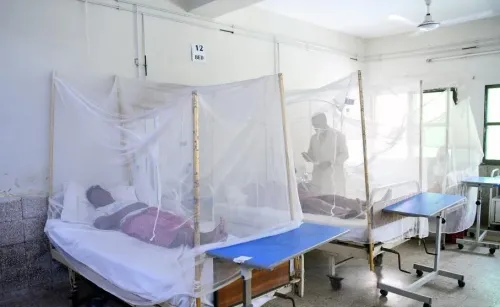
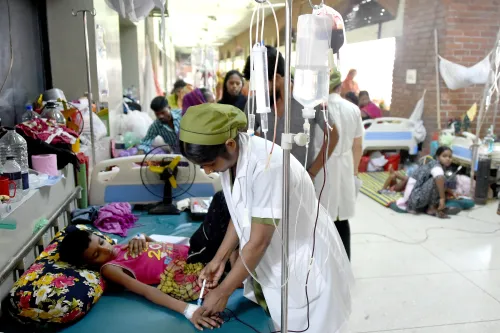
Sri Lanka has recorded 61,060 dengue cases as of 7 July 2025, with 2,604 new infections logged in a single 24-hour period, the National Dengue Control Unit (NDCU) confirmed on Monday. The surge has pushed several hospitals in the country's most populous province to maximum capacity, raising fears of a rise in fatalities if the outbreak is not brought under control swiftly.
Scale of the Outbreak
The Western Province accounts for the bulk of infections, recording 32,054 cases — equivalent to 52.5 per cent of the national total. The Southern Province follows with 9,674 cases, ahead of Sabaragamuwa (5,237), Central (4,823), Eastern (2,979), and North Western (2,778). The NDCU has designated 142 Medical Officers of Health (MOH) divisions nationwide as high-risk dengue zones. June recorded the highest monthly case count of the year, with 21,546 infections — a figure that signals the outbreak is still accelerating.
Hospital Pressure and the Government's Response
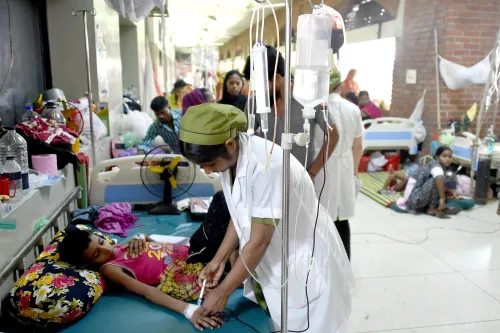
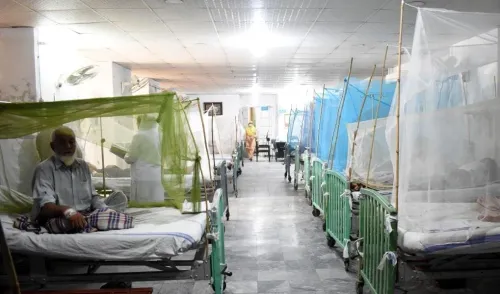
Multiple hospitals across the Western Province have reached full capacity, according to the NDCU. Acting Director Dr. Kapila Kannangara said the spike in patients has placed severe strain on healthcare infrastructure and made timely treatment increasingly difficult. Authorities have drawn up a three-phase strategy covering short-term, medium-term, and long-term interventions, though emergency short-term measures are being prioritised given the immediate risk that deaths could rise if infections continue to climb.
A New Dengue Strain Raising Alarm
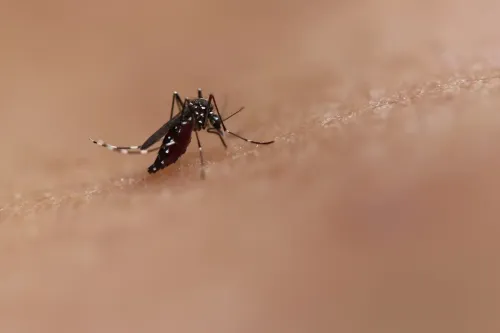
In June, Sri Lanka's Deputy Minister of Health Hansaka Wijemuni warned that a new strain of the dengue virus is now circulating in the country, carrying a higher transmission risk. Wijemuni told reporters that the current variant carries several genetic changes compared with strains previously detected in Sri Lanka, and that a large portion of the population may have had no prior exposure to it — leaving them more vulnerable to severe infection. Health authorities say they had anticipated a periodic surge and had made preparations, but the scale of the current wave has tested those plans.
Prevention Drive and Public Appeal
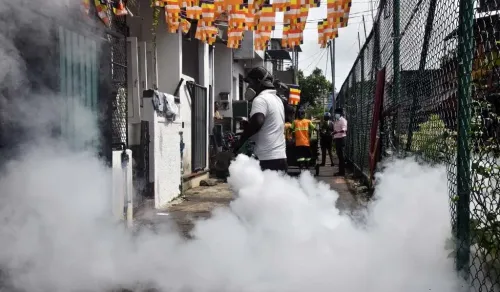
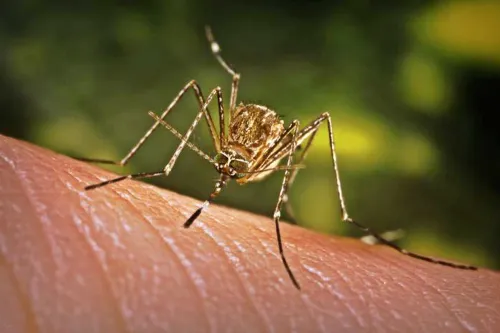
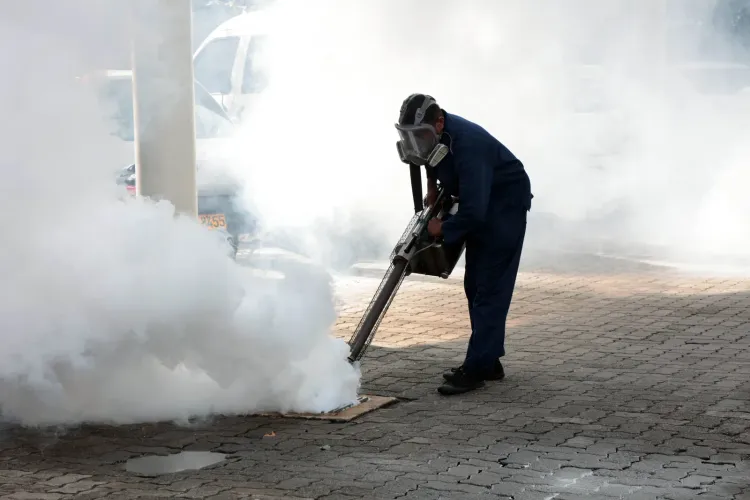
A countrywide mosquito-breeding prevention programme was launched in response to the new strain. Wijemuni stressed that state action alone would be insufficient and urged citizens to eliminate standing water and other mosquito breeding sites around their homes. The government's stated priority is twofold: reducing mosquito populations and ensuring patients reach medical care before their condition deteriorates.
What to Watch
With June already the worst month of the year and the monsoon season sustaining conditions favourable to mosquito breeding, health officials warn the case count could climb further before it recedes. The effectiveness of the three-phase strategy — and whether hospital capacity can be expanded quickly enough — will determine whether Sri Lanka can prevent a significant rise in dengue fatalities in the weeks ahead.
Point of View
Before the monsoon season fully runs its course, suggests the three-phase strategy may need to be front-loaded with resources, not just plans. The government's call for public participation in eliminating breeding sites is sound, but it cannot substitute for expanded hospital capacity and rapid case management — the two levers that will ultimately determine the death toll.
NationPress
6 Jul 2026
Frequently Asked Questions
How many dengue cases has Sri Lanka recorded in 2025?
Sri Lanka has recorded 61,060 dengue cases so far in 2025, with 2,604 new infections reported in a single 24-hour period as of early July. June was the worst month of the year, accounting for 21,546 cases.
Which province in Sri Lanka has the most dengue cases?
The Western Province leads with 32,054 cases, representing 52.5 per cent of Sri Lanka's national dengue total. Several hospitals in the province have already reached maximum capacity.
What is the new dengue strain circulating in Sri Lanka?
Deputy Minister of Health Hansaka Wijemuni stated in June that a new dengue virus variant with several genetic changes compared to previously detected strains is now circulating in Sri Lanka. Because much of the population may not have been exposed to this variant before, a larger share of people are considered vulnerable to infection.
What is the government's plan to control the dengue outbreak?
The National Dengue Control Unit has developed a three-phase strategy covering short-term, medium-term, and long-term measures. Emergency short-term interventions are being prioritised given the immediate pressure on hospitals and the risk of rising fatalities. A nationwide mosquito-breeding prevention programme has also been launched.
What can the public do to help contain the dengue outbreak in Sri Lanka?
Deputy Minister Wijemuni has urged citizens to remove standing water and eliminate mosquito breeding sites around their homes, stressing that government action alone will not be sufficient to contain the spread. Timely medical care before a patient's condition worsens is also a key part of the official response.