Tagore portrait defaced again at Bangladesh's Khulna station
Synopsis
A Rabindranath Tagore portrait at Khulna Railway Station was defaced again just days after restoration. Police say they are sending personnel to investigate, while cultural figures have raised concerns following another attack on a Tagore mural in Dhaka.
Key Takeaways
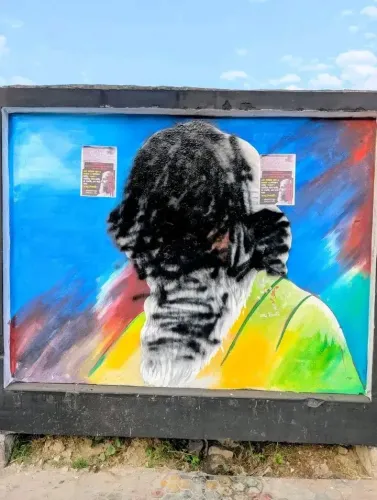
A portrait of Rabindranath Tagore at Khulna Railway Station was defaced again, according to local reports.
The latest damage came to light on Sunday , days after the portrait was restored following an earlier attack.
Lokman Hossain said police personnel were being sent to investigate and identify those involved.
The wall also features Kazi Nazrul Islam , Fakir Lalon Shah , SM Sultan and Michael Madhusudan Dutt ; reports said only Tagore's portrait was targeted.
At least 37 prominent Bangladeshi citizens expressed concern after a separate Tagore mural was defaced in Dhaka the previous month.
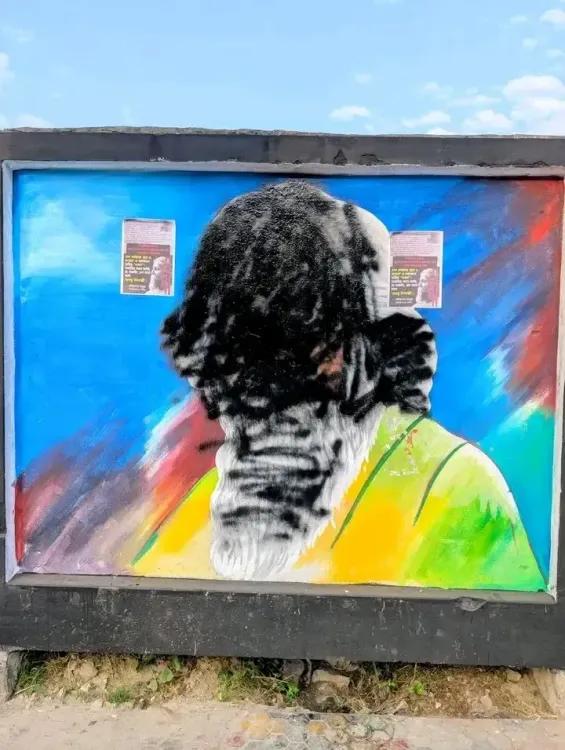
A portrait of Nobel laureate Rabindranath Tagore at Khulna Railway Station in Bangladesh has been defaced again, days after it was restored following an earlier attack, according to local media reports. The latest damage came to light on Sunday, with police saying personnel were being sent to investigate.
The portrait was smeared with black ink, reports said. It was the only image targeted among murals of several prominent cultural figures on a wall opposite the Khulna Development Authority building.
Police response and the Khulna murals
Lokman Hossain, officer-in-charge of Khulna Sadar Police Station, confirmed the incident and said police were being sent to the scene. “Police personnel are being sent to the spot to look into the matter and find out who was involved,” he was quoted as saying by The Daily Star.
According to reports, the portraits were painted as part of an urban beautification drive overseen by Khulna City Corporation (KCC). The wall also features National Poet Kazi Nazrul Islam, folk mystic Fakir Lalon Shah, artist SM Sultan and poet Michael Madhusudan Dutt.
Reports described the substance used on Tagore's portrait as black spray paint. The source did not identify anyone responsible for the latest defacement.
Earlier attack and local reaction
The same portrait was defaced with black ink earlier in the month by unidentified people, prompting outrage among local residents and cultural activists. It was restored before the latest incident came to light.
Nazrul Islam Manju, KCC administrator, condemned the damage. “By defacing the portrait, they have exposed their narrow-mindedness and sick mentality,” he said.
Shariful Islam Salim, a cultural activist and general secretary of Nattyalok, suspected an organised group was responsible. His allegation was not presented as a finding of the police investigation.
Salim said Tagore's literature and philosophy had helped shape generations' commitment to free thought, secularism and human dignity. He called Tagore an inseparable part of Bangladesh's cultural identity and urged people from all walks of life to speak out against those responsible.
Dhaka incident and wider concerns
The Khulna incident follows the defacement of a graffiti mural of Tagore outside the Bangladesh Shilpakala Academy in Dhaka the previous month. That mural was also smeared with black ink.
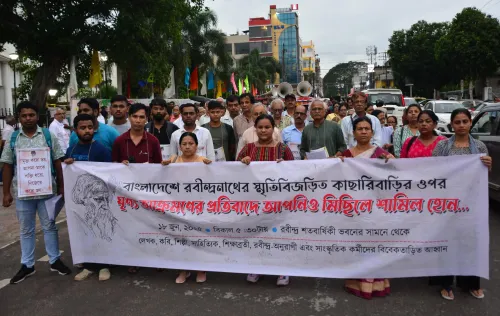
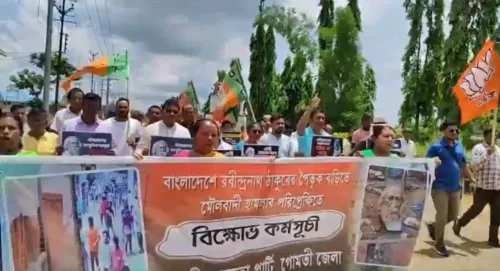
After the Dhaka incident, at least 37 prominent Bangladeshi citizens expressed concern, according to local media reports. In a statement, the signatories warned that such incidents could embolden religious extremists and deepen communal tensions in Bangladesh.
The signatories also recalled that Pakistani rulers had politically portrayed Tagore as anti-Muslim in the 1960s, comparing that campaign with the recent defacement of his portrait. The statement placed the damage to the mural alongside a historical dispute over Tagore's cultural standing.
Investigation ahead
Police have said they will examine the latest damage and seek to identify those involved. No findings or arrests were mentioned in the available reports.
The investigation will determine what further information emerges about the renewed defacement at Khulna Railway Station.
Point of View
But allegations of an organised campaign must not be treated as established fact. Accountability will depend on evidence and public disclosure of the findings, not on speculation about the perpetrators.
NationPress
23 Nov 2026
Frequently Asked Questions
What happened to the Tagore portrait in Khulna?
A portrait of Rabindranath Tagore at Khulna Railway Station was defaced again with black ink, according to local reports. The damage came to light on Sunday, days after the portrait had been restored following an earlier attack.
What have police said about the defacement?
Police said personnel were being sent to investigate and find out who was involved. No arrests or investigation findings were mentioned in the available reports.
Were other portraits at Khulna Railway Station damaged?
Reports said Tagore's portrait alone was defaced. The wall also features Kazi Nazrul Islam, Fakir Lalon Shah, SM Sultan and Michael Madhusudan Dutt.
Why has the Tagore mural incident raised concerns in Bangladesh?
The renewed defacement follows an earlier attack on the same portrait and a separate incident involving a Tagore mural in Dhaka. After the Dhaka incident, at least 37 prominent citizens warned that such acts could embolden religious extremists and deepen communal tensions.
What happens next in the Khulna investigation?
Police have said they will look into the incident and seek to identify those responsible. The available reports did not give a timetable for the investigation.