Taiwan condemns China Coast Guard's dangerous moves near Palawan fishing vessel
Synopsis
Taiwan has publicly condemned China's Coast Guard for dangerous manoeuvres against a Philippine fishing vessel near Palawan — a notable move because Taipei is defending a third country's maritime rights, not just its own. Coming weeks after Taiwan also challenged CCG patrols east of the island as unlawful, this signals Taipei's deliberate effort to build a broader democratic coalition against Beijing's expanding maritime assertiveness.
Key Takeaways
Taiwan's MOFA on 21 September 2026 condemned China Coast Guard manoeuvres against a Philippine fishing vessel near Palawan .
Taipei called the actions 'coercive and provocative,' warning they endanger lives, maritime safety, and regional stability.
In July 2026 , Taiwan's Mainland Affairs Council (MAC) had already labelled CCG patrols east of Taiwan as unlawful under international law.
The MAC stated China holds no sovereignty, jurisdiction, or law enforcement authority in waters east of Taiwan.
Taiwan's Coast Guard Administration (CGA) has been directed to take all necessary measures to protect sovereignty and secure surrounding waters.
Taiwan pledged to continue working with democratic partners to uphold freedom of navigation across the Indo-Pacific .
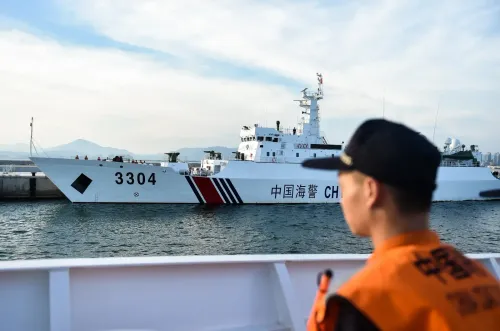
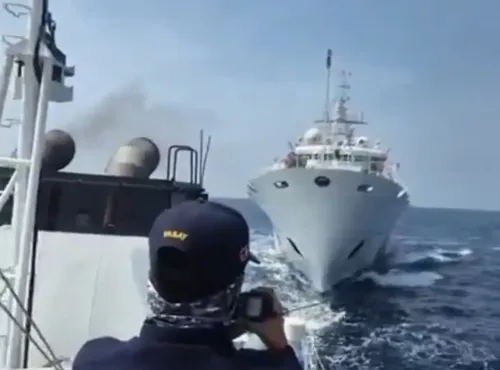
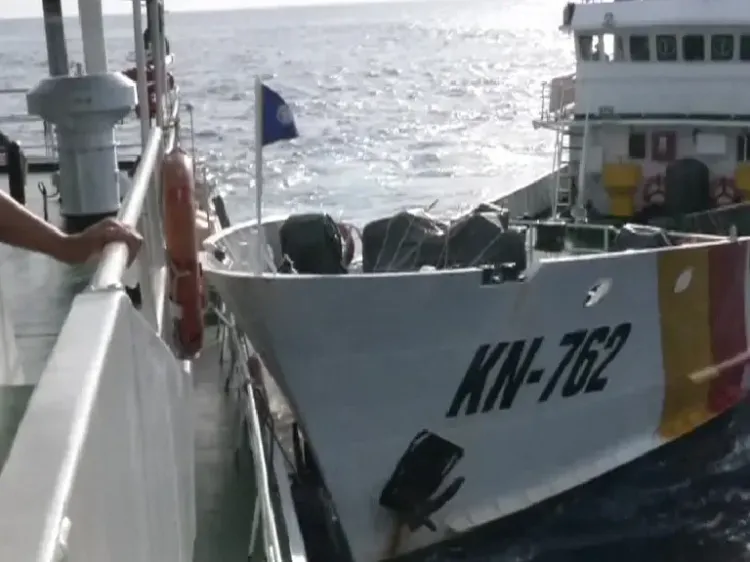
Taiwan's Ministry of Foreign Affairs (MOFA) on Monday, 21 September 2026, strongly condemned the China Coast Guard (CCG) for conducting what it described as dangerous and coercive manoeuvres against a Philippine fisheries vessel near Palawan in the Philippines. Taipei warned that such provocative actions endanger lives, maritime safety, and regional stability across the Indo-Pacific.
Taiwan's Condemnation
In a statement posted on X, Taiwan's MOFA said: 'MOFA strongly condemns the China Coast Guard's dangerous manoeuvres against a Philippine fisheries vessel near Palawan. Such coercive and provocative actions endanger lives, maritime safety and regional stability. Taiwan will keep working with partners for a free and open Indo-Pacific.'
The statement reflects Taipei's increasingly vocal pushback against Beijing's expanding maritime assertiveness — not only in Taiwan's own surrounding waters but across contested flashpoints in the broader region.
A Pattern of Escalation
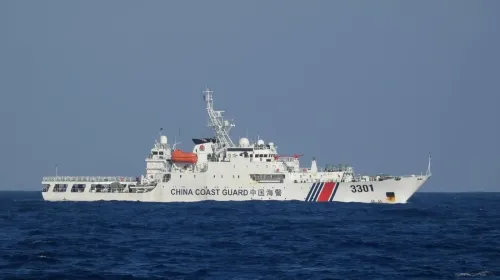
This condemnation comes against a backdrop of escalating Chinese maritime activity. In July 2026, Taiwan criticised the CCG for launching patrols east of the island, with Taipei's Mainland Affairs Council (MAC) describing the move as an unlawful expansion of authority in contravention of international law.
The MAC stated at the time: 'Repeating an illegal act does not make it lawful, nor will such actions gain international recognition.' The council also asserted that China holds no sovereignty, jurisdiction, or law enforcement authority in waters east of Taiwan.
The CCG had announced those July patrols as 'law enforcement' exercises in what Beijing termed its own jurisdictional waters — a framing that Taipei and many international observers reject as inconsistent with the United Nations Convention on the Law of the Sea (UNCLOS).
Taiwan's Domestic Response
In response to what it characterised as China's increasing destabilising actions, the MAC confirmed that Taiwan's Coast Guard Administration (CGA), working alongside other government agencies, would take all necessary measures to protect the nation's sovereignty and secure its surrounding waters.
The council reiterated Taiwan's commitment to working with democratic partners worldwide to uphold freedom of navigation and the security of regional sea lanes, while firmly opposing any attempts to alter the international order through force or coercion.
Regional Stakes
The incident near Palawan is particularly significant as the area falls within the Philippines' exclusive economic zone (EEZ), a zone that has been a repeated flashpoint between Manila and Beijing in recent years. Taiwan's decision to publicly align itself with the Philippines on this incident signals a broader effort to build solidarity among nations that share concerns about Chinese maritime conduct.
Notably, Taiwan's condemnation on behalf of a third country — rather than solely in defence of its own waters — underscores how Taipei is seeking to reframe its role in regional security. With tensions across the South China Sea showing no sign of easing, the coming weeks will test how far this emerging coalition of democratic maritime partners is willing to coordinate its response.
Point of View
Not a routine statement. Taipei is actively trying to position itself as a stakeholder in broader Indo-Pacific security, not merely a passive subject of Beijing's pressure. The MAC's repeated invocation of international law is also notable: it is building a legal record that could matter if coercive incidents escalate. What mainstream coverage underplays is how closely Taiwan's strategy mirrors that of the Philippines — using multilateral norms and public condemnation to impose reputational costs on Beijing where hard power is unavailable.
NationPress
21 Sept 2026
Frequently Asked Questions
What did Taiwan condemn China for near Palawan?
Taiwan's Ministry of Foreign Affairs condemned the China Coast Guard for conducting dangerous and coercive manoeuvres against a Philippine fisheries vessel near Palawan in the Philippines on 21 September 2026. Taipei said the actions endangered lives, maritime safety, and regional stability.
Why is Taiwan speaking out about an incident involving the Philippines?
Taiwan is aligning itself publicly with the Philippines as part of a broader effort to build solidarity among democratic nations that share concerns about China's maritime assertiveness in the Indo-Pacific. Taipei has framed the incident as part of a wider pattern of coercive Chinese behaviour that threatens the regional order.
What was Taiwan's position on China Coast Guard patrols east of the island?
In July 2026, Taiwan's Mainland Affairs Council declared CCG patrols east of Taiwan to be an unlawful expansion of authority in breach of international law. The council stated that China holds no sovereignty, jurisdiction, or law enforcement authority in those waters.
How is Taiwan responding to China's increasing maritime activity?
Taiwan's Coast Guard Administration (CGA), alongside other government agencies, has been directed to take all necessary measures to protect national sovereignty and secure surrounding waters. Taiwan has also pledged to work with democratic partners to uphold freedom of navigation across regional sea lanes.
What is the broader significance of the Palawan incident?
The area near Palawan falls within the Philippines' exclusive economic zone and has been a recurring flashpoint between Manila and Beijing. Taiwan's public condemnation signals Taipei's intent to play a more active role in Indo-Pacific security beyond its own immediate defence concerns.