Trump Crowns FIFA World Cup 2026 Champions as US Hosts Epic Tournament
Synopsis
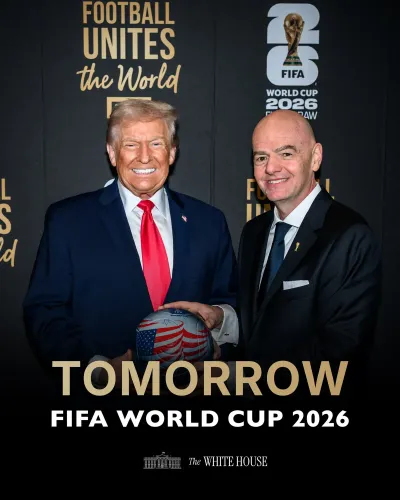
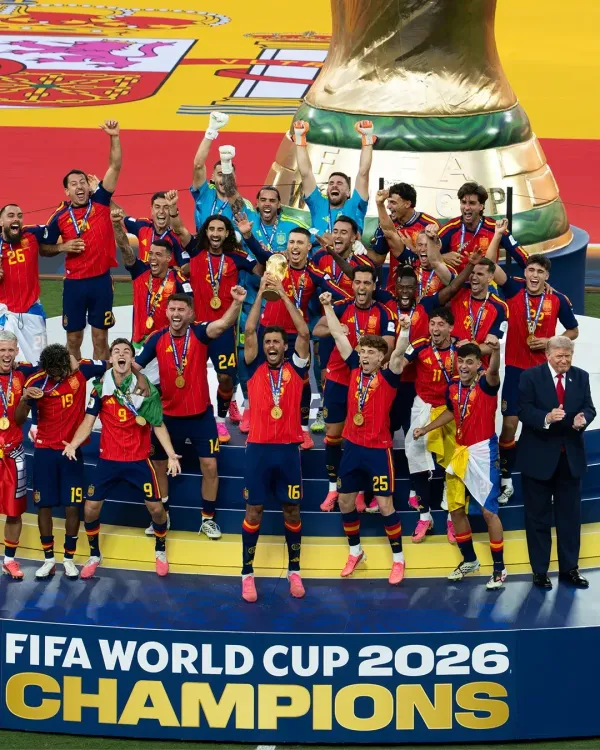
The White House declared the 2026 FIFA World Cup in the United States a triumph, sharing images of President Donald J. Trump crowning the champions. The 23rd edition of the tournament, expanded to 48 teams and co-hosted by the US, Canada, and Mexico, drew global audiences to North American venues.
Key Takeaways
The White House officially announced the conclusion of the 2026 FIFA World Cup on 20 July 2026 .
Trump personally presented the trophy to the tournament champions at the closing ceremony.
The 2026 edition was the first World Cup with an expanded 48-team format , the largest in the tournament's history.
The tournament was co-hosted by the United States, Canada, and Mexico , with hosting rights awarded by FIFA in June 2018 .
The US last hosted the FIFA World Cup in 1994 , more than three decades before this edition.
FIFA's next focus shifts to the 2030 World Cup selection cycle and legacy reviews of 2026 venue spending .
The White House on Monday, 20 July 2026 posted a celebratory message declaring the 2026 FIFA World Cup in the United States a resounding success, with President Donald J. Trump personally presenting the trophy to the tournament champions in a high-profile closing ceremony.
Context
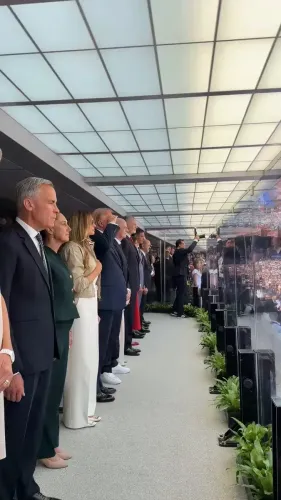
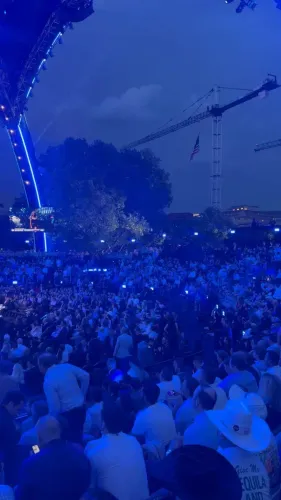
The official White House account announced the conclusion of what it called an 'EPIC' FIFA World Cup, sharing images of President Trump crowning the champions. The post, accompanied by two photographs, declared: 'The world came to watch, and America delivered.' The closing ceremony marked the end of the 23rd edition of the men's FIFA World Cup, the most expansive in the tournament's history.
The 2026 edition was the first World Cup to feature an expanded field of 48 teams, up from the previous format of 32. The tournament was jointly hosted by three North American nations — the United States, Canada, and Mexico — with the United States serving as the primary host across multiple cities.
Policy Backdrop
FIFA awarded the 2026 hosting rights to the joint Canada-Mexico-United States bid in June 2018, beating a rival bid from Morocco. The decision was seen as a landmark for North American football infrastructure and a significant soft-power opportunity for all three nations.
The United States last hosted the FIFA World Cup in 1994, when the tournament set then-record attendance figures despite the absence of a professional domestic football league at the time. Successive American administrations have treated major global sporting events as platforms to project infrastructure capability and international goodwill, and President Trump's direct participation in the trophy presentation underscores that tradition.
Stakeholders and Impact
Host cities across the United States, Canada, and Mexico invested heavily in stadium upgrades, transport infrastructure, and hospitality capacity ahead of the tournament. Football fans from across the world travelled to North America to attend matches, generating significant economic activity for host communities.
Sports broadcasters and streaming platforms secured wide global rights for the expanded tournament, with the 48-team format producing a larger number of matches and longer commercial windows than any previous edition. The White House's framing of the event as a national achievement — 'America delivered' — signals an intent to leverage the tournament's success in broader diplomatic and trade conversations.
What's Next
FIFA's attention now turns to the selection cycle for the 2030 World Cup, which is set to be a centenary edition of the tournament and is expected to span multiple continents. Congressional and municipal authorities in the United States are also anticipated to review legacy spending at the 2026 venues, assessing long-term returns on public investment.
The White House's closing message — 'See you next time, FIFA' — hints at a continued American appetite for hosting major international sporting events, a posture that could inform future bids for the 2031 Women's World Cup or other global tournaments.
Point of View
Presiding over the close of the largest FIFA World Cup in history offers a vivid visual that transcends partisan lines. The 'America delivered' framing also subtly positions the administration as a credible steward of global infrastructure and hospitality, a narrative that could carry weight in future multilateral negotiations. Whether the tournament's economic and legacy dividends match the celebratory tone will be the longer-term test for host cities and federal stakeholders alike.
NationPress
20 Oct 2026
Frequently Asked Questions
Who won the 2026 FIFA World Cup?
The specific winner of the 2026 FIFA World Cup final has not been confirmed in publicly verifiable records available at the time of this report. The White House post confirmed that President Trump presented the trophy to the champions at the closing ceremony on 20 July 2026.
Where was the 2026 FIFA World Cup held?
The 2026 FIFA World Cup was co-hosted by the United States, Canada, and Mexico, with matches spread across multiple cities in all three North American nations. The United States served as the primary host.
How many teams played in the 2026 FIFA World Cup?
The 2026 FIFA World Cup featured an expanded field of 48 teams, making it the largest edition in the tournament's history, up from the previous format of 32 teams.
Has the United States hosted the FIFA World Cup before 2026?
Yes, the United States previously hosted the FIFA World Cup in 1994, when the tournament set then-record attendance figures. The 2026 edition marked the country's second time as a World Cup host.
When did FIFA award the 2026 World Cup hosting rights to the US?
FIFA awarded the 2026 World Cup hosting rights to the joint Canada-Mexico-United States bid in June 2018, selecting it over a rival bid from Morocco.