Trump defends Russia sanctions waiver, cites Ukraine peace talks
Synopsis
Trump has waived most provisions of the Graham Act — a sweeping sanctions law targeting Russia and its energy buyers — arguing that fresh economic pressure would push Moscow away from the Ukraine negotiating table. The reprieve has direct consequences for India, which Secretary of State Rubio named as a country in the crosshairs. A 60-day review window means this is a pause, not a resolution.
Key Takeaways
President Trump signed an executive order on Friday, 17 October 2026 , waiving key provisions of the Lindsey O.
Graham Sanctioning Russia and Iran Act of 2026 .
The Act authorised tariffs of 500 per cent on certain Russian goods and 100 per cent on goods from the five largest importers of Russian crude oil and natural gas.
India was specifically named by Secretary of State Marco Rubio as a country that could be affected by the legislation.
Trump cited ongoing Ukraine peace negotiations as the reason for not applying the new penalties against Russia.
The waivers are subject to a review period of up to 60 days , after which the administration will determine the next course of action.
Several Republican and Democratic lawmakers have criticised the move, arguing it weakens US leverage over Moscow.
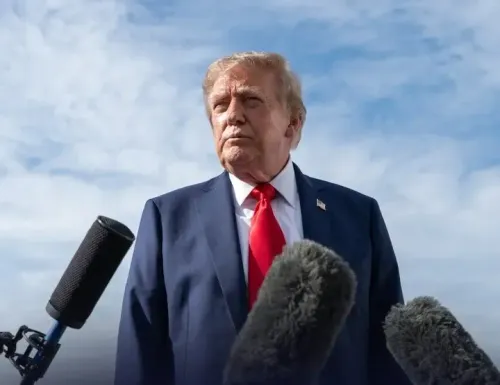
US President Donald Trump on 19 October 2026 defended his decision to suspend sweeping new sanctions and tariffs targeting Russia and major buyers of Russian energy, saying he did not want to jeopardise ongoing negotiations aimed at ending the war in Ukraine. The move, formalised through an executive order signed on Friday, has significant implications for India, one of the world's largest importers of Russian crude oil.
What Trump Signed and Why
The executive order waived major provisions of the Lindsey O. Graham Sanctioning Russia and Iran Act of 2026, which was signed into law on 18 September 2026. The legislation had authorised tariffs of 500 per cent on certain Russian goods and 100 per cent on goods from the five largest importers of Russian crude oil and natural gas, subject to statutory conditions. The same order, however, simultaneously waived the application of those additional duties and most of the new sanctions provisions.
Trump explained his rationale in a post on Truth Social, writing: 'I am in the process of negotiating Peace in the war between Russia and Ukraine, and don’t want to do anything that will drive, foolishly, Russia away from the bargaining table.' He also argued that Russia was providing less assistance to Iran than it potentially could, and said he wished to preserve that dynamic.
India's Stakes in the Waiver
For India, the waiver carries direct economic weight. The Graham Act's provisions could have exposed major purchasers of Russian energy — India prominently among them — to additional US tariffs. With the waiver in effect, those new duties are not being applied at present, offering New Delhi a temporary reprieve.
Secretary of State Marco Rubio explicitly named India among the countries that could be affected by the legislation, and indicated that Trump wanted a window of up to 60 days to assess the wider economic consequences for the global economy and the United States before determining the next course of action. The waivers remain effective until the President or the Secretary of State, following required consultations, determines that further action is appropriate.
Congressional Pushback
The decision has drawn criticism from lawmakers on both sides of the aisle. Several Republicans and Democrats have questioned whether suspending the sanctions undermines Washington's leverage over Moscow at a time when fighting in Ukraine continues. Critics argue that the waiver hands Russia a diplomatic reprieve without extracting tangible concessions.
The White House has defended the measure as consistent with efforts to secure a negotiated peace agreement, pushing back against the characterisation that it weakens the US position.
Broader Context and What Comes Next
Trump also criticised Ukrainian attacks on Russian diesel refineries, arguing that disruptions to fuel supplies were affecting consumers and businesses internationally — remarks that underscored his ongoing differences with Ukrainian President Volodymyr Zelensky over the conduct of the war and its economic consequences. This comes amid a broader pattern of Trump signalling a preference for diplomacy over economic coercion in dealing with Moscow, a posture that has repeatedly drawn scrutiny from hawkish legislators.
The Graham Act itself gave the President authority to waive specified provisions after certifying to Congress that doing so served US national interests — a provision Trump has now invoked. The administration's 60-day review window means the sanctions and tariff question will resurface by mid-December, keeping pressure on India and other large Russian energy buyers to watch Washington closely.
Point of View
And the executive has immediately hollowed it out using the very escape clause lawmakers built in. The 60-day review is less a deliberate assessment than a delay mechanism, and Moscow knows it. For India, the reprieve on Russian oil tariffs is real but fragile — a single presidential determination can reverse it. The deeper question mainstream coverage underplays is whether Trump's 'negotiating peace' framing has any verifiable diplomatic progress behind it, or whether the waiver is effectively unconditional forbearance dressed in process language.
NationPress
19 Oct 2026
Frequently Asked Questions
What is the Lindsey O. Graham Sanctioning Russia and Iran Act of 2026?
The Graham Act is a US law signed on 18 September 2026 that authorises sweeping economic pressure on Russia, including 500 per cent tariffs on certain Russian goods and 100 per cent tariffs on goods from the five largest importers of Russian crude oil and natural gas. It also gave the President authority to waive specified provisions after certifying to Congress that doing so served US national interests.
Why did Trump waive the Russia sanctions?
Trump waived the sanctions to avoid disrupting ongoing negotiations aimed at ending the Russia-Ukraine war, arguing that fresh economic penalties could push Moscow away from the bargaining table. He made this case in a post on Truth Social on 19 October 2026.
How does Trump's Russia sanctions waiver affect India?
India is one of the world's largest buyers of Russian crude oil and was explicitly named by Secretary of State Rubio as a country that could face additional US tariffs under the Graham Act. The waiver means those new duties are not being applied at present, but a 60-day review window means the situation could change by mid-December 2026.
How long will the sanctions waiver remain in effect?
The waivers remain effective until the President or the Secretary of State, following required consultations, determines that further action is appropriate. Secretary Rubio indicated the administration wants up to 60 days to assess the global economic implications before deciding next steps.
Who has criticised the decision to suspend the Russia sanctions?
Several Republican and Democratic lawmakers have questioned the waiver, arguing it weakens Washington's leverage over Russia while the conflict in Ukraine continues. Critics contend that suspending the sanctions without extracting concessions from Moscow undermines the purpose of the Graham Act.