Trump calls Indian Flydubai pilot Smit Machchhar a 'hero' after cockpit stabbing
Synopsis
A gravely wounded Indian pilot, a co-pilot Trump called 'perhaps a terrorist,' a plunging aircraft, and a civilian plumber who reportedly levelled the plane after watching a TV show — Trump's unverified but vivid account of the Flydubai cockpit stabbing, delivered at the White House after a call with Netanyahu, has turned an already dramatic aviation incident into a global talking point.
Key Takeaways
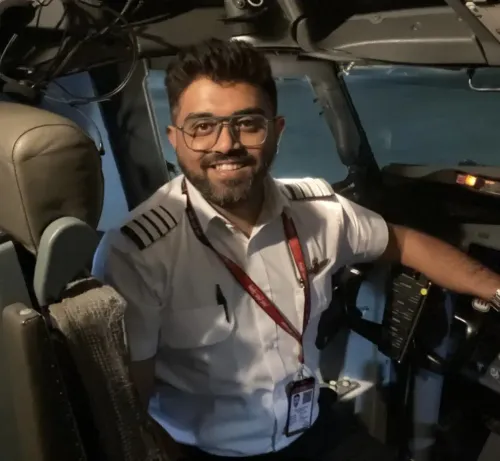
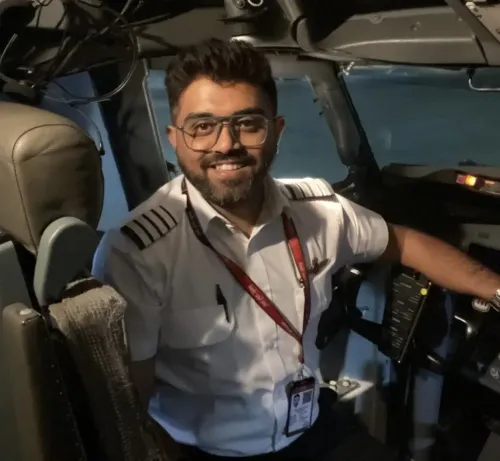
President Donald Trump described Captain Smit Machchhar , an Indian national, as a 'hero' for opening the cockpit door despite severe stab wounds.
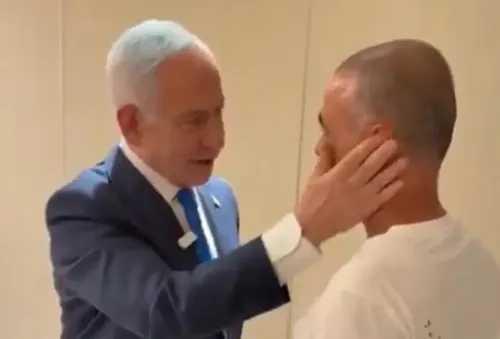
Trump said he discussed the incident 'at length' with Israeli PM Benjamin Netanyahu , but repeatedly stressed the account was unverified.
Trump said the co-pilot was 'perhaps a terrorist or perhaps a whack job' — a characterisation he himself qualified as unconfirmed.
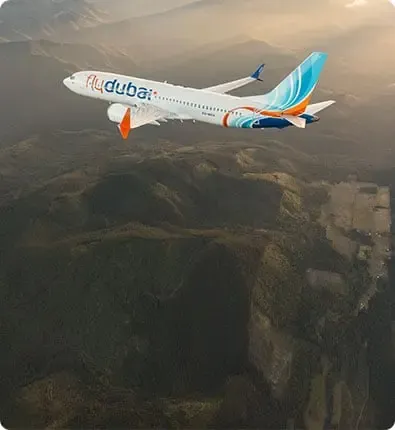
The Flydubai flight from Dubai to Tel Aviv made an emergency landing in Tabuk, Saudi Arabia ; all passengers were safe.
An Israeli civilian passenger reportedly took the controls and levelled the aircraft, crediting knowledge from the TV programme 'Air Disasters' .
The motive behind the attack remained under investigation; no formal charges had been confirmed as of 1 October 2026 .
US President Donald Trump on 1 October 2026 publicly hailed Captain Smit Machchhar, the Indian national who was piloting a Flydubai aircraft bound for Tel Aviv, as a 'hero' — recounting how the severely wounded captain reportedly managed to open the cockpit door after being stabbed by the co-pilot during a dramatic mid-air incident. Trump stressed repeatedly, however, that the extraordinary account he shared had not been independently verified.
What Trump Said at the White House
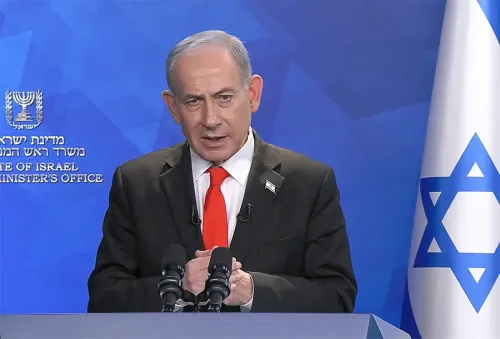
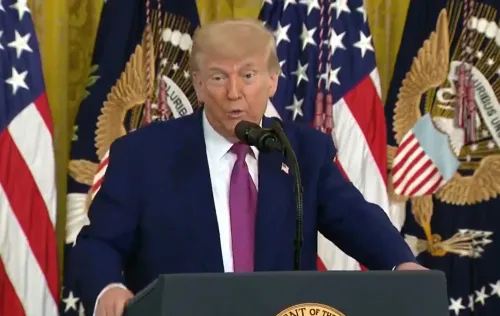
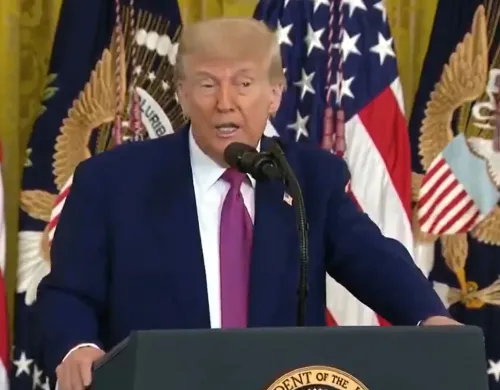
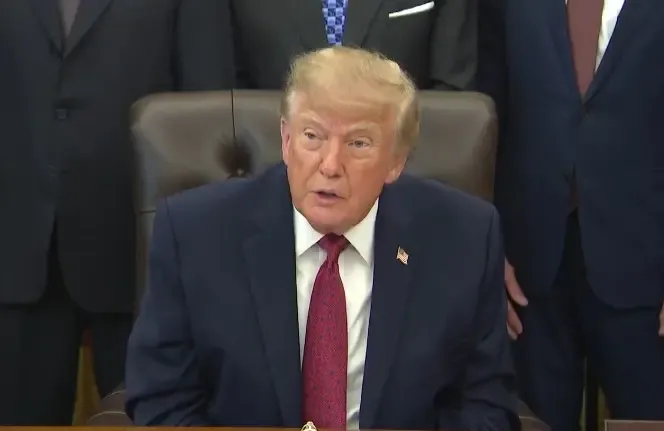
Speaking to reporters at the White House, Trump described the incident as 'the most amazing story' and said he had discussed it 'at length' with Israeli Prime Minister Benjamin Netanyahu. 'I think it's an incredible story,' Trump said. 'But I did speak to Bibi Netanyahu at length about this event.'
Trump said the account he received suggested that 'the co-pilot was perhaps a terrorist or perhaps a whack job, and he stabbed the pilot.' He was careful to add: 'Now, this is the story that I heard. I don't know if it's true, but that's the story that I got from Bibi.' Asked whether the co-pilot intended to crash the aircraft, Trump again stressed uncertainty: 'They said he wanted to crash. They don't know that. They don't know that kind of information.'
The Incident: What Reportedly Happened
The Flydubai flight departed Dubai on Wednesday and was en route to Tel Aviv when a violent altercation broke out in the cockpit. According to Trump's account — sourced, he said, from his conversation with Netanyahu — Captain Machchhar, despite being gravely injured, managed to fall back and open the reinforced cockpit door. 'Those doors are solid steel. You can't get them open from outside. He was able to fall back and get the door open and scream,' Trump said.
Trump then described how an Israeli plumber seated near the front of the aircraft reportedly heard the commotion and entered the cockpit. By Trump's telling, the aircraft was descending at a dangerously steep angle at that point — so sharp, he claimed, that structural damage occurred: 'The plane was going sharply down at an unbelievable angle, so sharp that the rudder ripped off the back of the plane. Plane wasn't designed to go at a speed anywhere near that.'
The plumber reportedly pulled the alleged attacker from the pilot's seat before other passengers restrained him. Trump said the passenger then took the controls: 'Having never flown a plane, he took the stick, lifted it up and levelled out the plane before it crashed.' Trump added that the passenger later explained his actions were partly informed by watching the television programme 'Air Disasters': 'He learned from watching that show sort of how to fly. I mean, you tell me, this is the craziest thing.'
Other pilots and security personnel aboard the aircraft subsequently reached the cockpit and took control, according to Trump's account.
Emergency Landing and Official Response
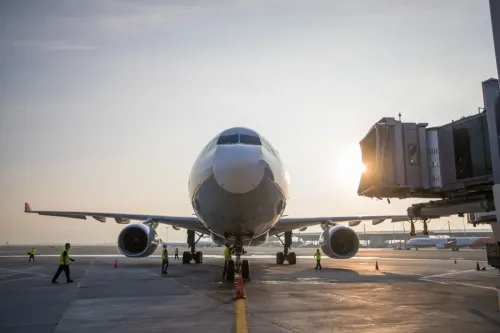
The aircraft made an emergency landing at Tabuk, Saudi Arabia. All passengers were reported safe. Flydubai confirmed that the aircraft had 'experienced an incident' and that passengers were safe, though the airline did not elaborate on the specifics. Saudi authorities were reportedly questioning the alleged attacker. The passengers later continued their journey to Israel aboard a separate aircraft.
Captain Machchhar was identified as an Indian national. He remained in serious condition, according to reports, at the time of Trump's statement.
Motive Under Investigation
The motive behind the attack remained under active investigation as of Wednesday. No formal charges or confirmed motive had been publicly established by authorities. Trump himself was unambiguous on this point, cautioning against premature conclusions about intent. This comes amid heightened global scrutiny of aviation security, particularly on routes operating in or near conflict-adjacent airspace.
The incident, if verified in the details Trump described, would rank among the most dramatic mid-flight emergencies in recent civil aviation history. Independent confirmation of the specific sequence of events remains awaited.
Point of View
Unverified, sourced entirely from a phone call with Netanyahu — illustrates the new diplomatic-media loop where world leaders bypass formal channels and brief each other on breaking aviation incidents before investigators have established basic facts. The 'perhaps a terrorist' framing is significant: it attaches a geopolitical label to an incident whose motive is still officially undetermined, potentially shaping public perception before any finding is issued. For India, the story carries a different resonance — an Indian national at the controls of a stricken aircraft on a route tied to one of the world's most watched conflicts. The heroism angle will travel far in Indian media, but the institutional question — how a co-pilot allegedly incapacitated a captain mid-flight on a commercial route — demands scrutiny that political commentary cannot substitute for.
NationPress
1 Oct 2026
Frequently Asked Questions
Who is Captain Smit Machchhar and what happened on the Flydubai flight?
Captain Smit Machchhar is an Indian national who was piloting a Flydubai aircraft from Dubai to Tel Aviv when the co-pilot allegedly stabbed him in the cockpit. Despite his injuries, he reportedly managed to open the cockpit door before an emergency landing was made in Tabuk, Saudi Arabia.
What did Trump say about the Flydubai cockpit incident?
Speaking at the White House on 1 October 2026, Trump called Captain Machchhar a 'hero' and described the co-pilot as 'perhaps a terrorist or perhaps a whack job.' He said the account came from a conversation with Israeli PM Netanyahu and stressed multiple times that it had not been independently verified.
Where did the Flydubai plane make an emergency landing?
The aircraft made an emergency landing at Tabuk in Saudi Arabia. All passengers were safe, and they later continued their journey to Israel aboard a separate Flydubai aircraft.
Has the motive for the cockpit attack been established?
No. As of 1 October 2026, the motive remained under active investigation. Saudi authorities were reportedly questioning the alleged attacker, and no formal charges or confirmed motive had been publicly announced. Trump himself cautioned against drawing conclusions about intent.
Who reportedly helped stabilise the aircraft after the attack?
According to the unverified account Trump relayed, an Israeli plumber seated near the front of the aircraft entered the cockpit after hearing the commotion, pulled the alleged attacker from the controls, and briefly took the stick to level the aircraft. Trump said the passenger credited partial knowledge from the TV show 'Air Disasters.' Other pilots and security personnel aboard subsequently took full control.