Trump rallies in Port Huron as Indian Americans in Michigan wooed in midterms
Synopsis
With Michigan's November 3 midterms potentially deciding Congressional control, both parties are making a late play for the state's 138,644 Indian Americans — the largest Asian ethnic group in Michigan. Trump's Sunday Port Huron rally and the AAPI Victory Fund's Detroit reception signal how seriously both sides are treating a community caught between Democratic tradition and growing Republican inroads, all against a backdrop of H-1B anxiety and rising anti-Indian rhetoric online.
Key Takeaways
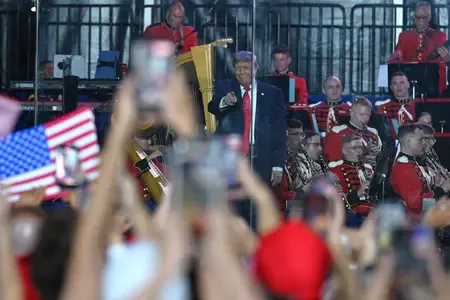
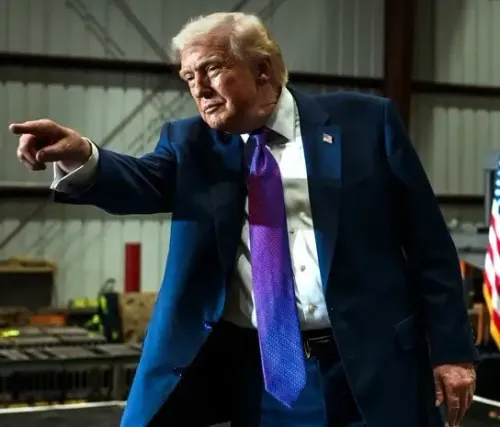
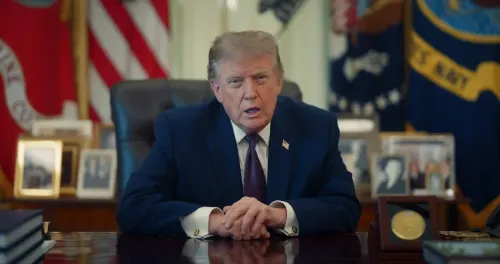
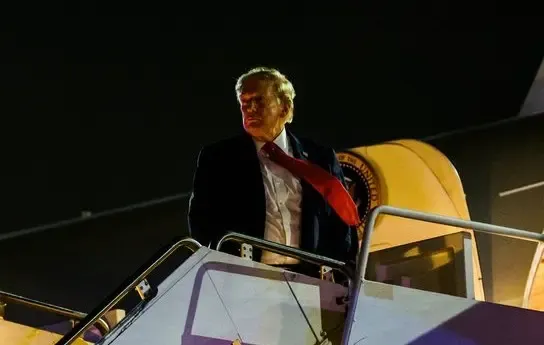
President Donald Trump is scheduled to rally at McMorran Place in Port Huron, Michigan on Sunday — his third event in three days.
Michigan's Indian American community numbers approximately 138,644 , the largest Asian ethnic group in the state, with 123,545 eligible Asian American voters.
The AAPI Victory Fund held a Detroit reception on 17 October , attended by Senator Elissa Slotkin and Democratic gubernatorial candidate Jocelyn Benson .
The group's Michigan endorsements include Senate candidate Abdul El-Sayed and Indian American legislator Ranjeev Puri .
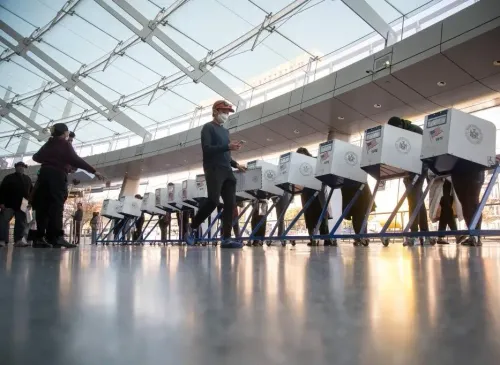
Michigan voters elect a governor, a US senator, and all 13 House members on 3 November .
The political contest is set against tighter H-1B visa rules and a reported surge in anti-Indian rhetoric online.
President Donald Trump is set to hold a rally at McMorran Place in Port Huron, Michigan on Sunday, his third campaign event in three days, as both parties intensify their courtship of Michigan's Indian American community — the largest Asian ethnic group in a state that could determine control of Congress. The community's 138,644 residents and 123,545 eligible Asian American voters have emerged as a notable factor in the final stretch of the 2026 midterm campaign.
Trump's Midterm Rally Blitz
According to the White House schedule, Sunday's Port Huron stop follows rallies in Fort Myers, Florida on Friday and Perry, Georgia on Saturday. Port Huron, located in St. Clair County in the state's Thumb region, is Republican-leaning territory — a strategic backdrop for Trump as his party seeks to consolidate rural and suburban gains ahead of November 3 elections.
Michigan voters will elect a governor, a US senator, and all 13 House members on that date, making the state one of the most consequential battlegrounds of the cycle.
AAPI Victory Fund Courts Democratic Voters in Detroit
On the Democratic side, the AAPI Victory Fund — a super PAC that supports Asian American candidates and voters — held a reception at the Godfrey Hotel in Detroit on 17 October, attended by Senator Elissa Slotkin and Secretary of State Jocelyn Benson, the Democratic candidate for governor, according to The Oakland Post, Oakland University's student newspaper.
Linh Nguyen, the group's president, explained the super PAC's founding rationale directly. 'We established a super PAC, but that was a very explicit recognition,' Nguyen said. 'There was not enough political money that's actually backing and supporting Asian voters and then Asian candidates.'
Nguyen also highlighted the strategic weight of states like Michigan and Georgia. 'We can be voting for people like Abdul El-Sayed and be proud of doing that,' Nguyen said, referring to the Democratic Senate candidate.
The group's Michigan endorsements include El-Sayed, Benson, Lieutenant Governor Garlin Gilchrist II, and Indian American state legislator Ranjeev Puri.
Where Indian Americans Are Concentrated in Michigan
Michigan's Indian American population is heavily concentrated in Oakland County suburbs — including Troy, Novi, Canton, and Farmington Hills — areas that fall in or near competitive House districts. The state's only Indian American member of Congress, Democrat Shri Thanedar, represents the Detroit-based 13th Congressional District.
According to an AAPI Data fact sheet, Indian Americans number approximately 138,644 in Michigan, making them the largest Asian ethnic group in the state, ahead of other communities in a broader pool of about 123,545 eligible Asian American voters.
Shifting Loyalties and the H-1B Backdrop
Indian American voters have traditionally leaned Democratic in recent election cycles, but Republicans have reportedly made inroads with segments of immigrant communities. This cycle is playing out against a particularly charged backdrop: tighter H-1B visa restrictions and a reported surge in anti-Indian rhetoric online have added a layer of identity-based anxiety to the community's political calculus.
Notably, this is the first midterm since federal immigration policy directly intersected with the professional anxieties of Indian American tech workers — a cohort disproportionately represented in Michigan's Oakland County suburbs. How those voters break on November 3 could have outsized consequences for competitive House races in the region.
With the rally clock ticking and voter outreach accelerating on both sides, Michigan's Indian American community finds itself at the centre of a national argument about who immigrant voters are — and who they will become.
Point of View
Partly because of H-1B pressures that cut against both parties' records. The AAPI Victory Fund's Detroit event is a sign that Democrats are no longer taking this bloc for granted, while Trump's choice of Port Huron — deep Republican country — does little to directly address Oakland County's Indian American suburbs where the real margin lies. The deeper story is whether identity-based anxiety over immigration policy translates into ticket-splitting or simply depressed turnout among a community that feels poorly served by both sides.
NationPress
24 Oct 2026
Frequently Asked Questions
Why is Michigan's Indian American community important in the 2026 midterms?
Indian Americans number approximately 138,644 in Michigan — the largest Asian ethnic group in the state — and are concentrated in Oakland County suburbs that fall within or near competitive House districts. With all 13 House seats, a Senate seat, and the governorship on the ballot on November 3, their votes could influence multiple close races.
Where is Trump's Port Huron rally and when is it?
President Trump is scheduled to speak at McMorran Place in Port Huron, Michigan on Sunday, according to the White House schedule. It is his third rally in three consecutive days, following stops in Fort Myers, Florida and Perry, Georgia.
What is the AAPI Victory Fund and what is it doing in Michigan?
The AAPI Victory Fund is a super PAC that supports Asian American candidates and voters. It held a reception in Detroit on 17 October, attended by Senator Elissa Slotkin and Democratic gubernatorial candidate Jocelyn Benson, and has endorsed several Michigan candidates including Senate candidate Abdul El-Sayed and state legislator Ranjeev Puri.
How have Indian Americans voted in recent elections, and is that shifting?
Indian American voters have leaned Democratic in recent election cycles, but Republicans have reportedly made gains with some immigrant communities. This cycle is complicated by tighter H-1B visa rules and a reported rise in anti-Indian rhetoric online, adding new pressure on a community that is professionally and culturally invested in US immigration policy.
Who is Michigan's only Indian American member of Congress?
Democrat Shri Thanedar represents Michigan's Detroit-based 13th Congressional District and is currently the state's only Indian American member of Congress.