Trump Presides Over Medal of Honor Ceremony at White House
Synopsis
President Donald Trump participated in a Medal of Honor ceremony at the White House on 18 June 2026, conferring the United States military's highest decoration for extraordinary battlefield valor. The event continues a longstanding presidential tradition recognising the sacrifices of the armed forces.
Key Takeaways
President Donald Trump participated in a Medal of Honor ceremony at the White House on 18 June 2026 .
The Medal of Honor is the highest military decoration in the United States , awarded for acts of valor above and beyond the call of duty.
The tradition of presidential Medal of Honor ceremonies dates to the Civil War era .
During his first term, Trump held multiple such ceremonies, including in 2018 and 2019 .
The Department of Defense conducts a lengthy nomination and vetting process before the President formally presents the award.
Key stakeholders include active-duty military personnel , veterans , and the recipient's family.
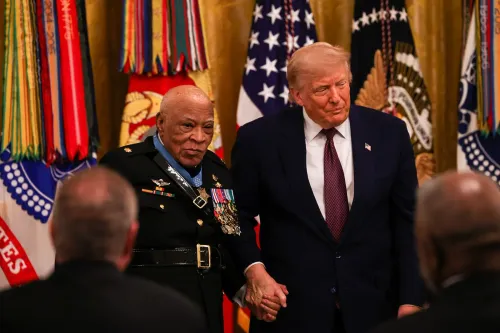
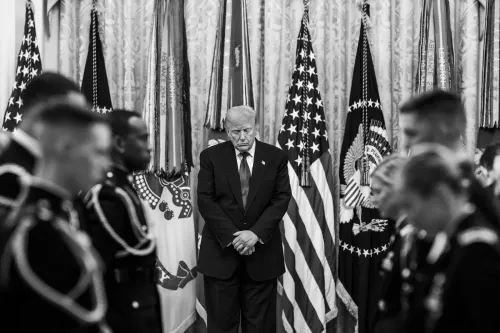
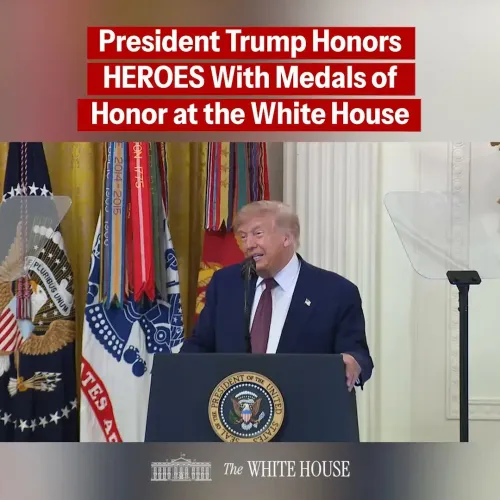
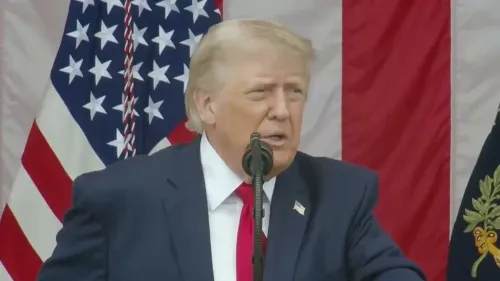
The White House announced on Thursday, 18 June 2026 that President Donald Trump participated in a Medal of Honor ceremony, the United States military's highest decoration for battlefield valor. The event was held at the White House, continuing a longstanding presidential tradition of personally conferring the nation's most prestigious military honour.
Context
The Medal of Honor is awarded by the President of the United States in the name of Congress to members of the armed forces who distinguish themselves through acts of valor above and beyond the call of duty. The decoration traces its origins to the Civil War era and remains the singular highest recognition the nation can bestow upon a service member.
Such ceremonies are conducted across administrations regardless of party affiliation and are regarded as solemn occasions of national significance, drawing attention to the sacrifices of the armed forces and the broader veteran community.
Policy Backdrop
During his first term (2017–2021), President Trump presided over multiple Medal of Honor ceremonies at the White House, including presentations in 2018 and 2019 that recognised acts of combat valor. The current ceremony follows that established pattern of executive engagement with military recognition programmes.
The Department of Defense coordinates the nomination and vetting process for Medal of Honor recipients, which can span years of review before a President formally presents the award. The ceremony itself is typically accompanied by a full reading of the recipient's citation detailing the specific acts of heroism being recognised.
Stakeholders and Impact
The primary stakeholders in Medal of Honor ceremonies are active-duty armed forces personnel, the broader veterans community, and the families of those being honoured. For recipient families, the White House ceremony represents the culmination of a lengthy federal review process and carries deep personal and historical significance.
Such events also carry symbolic weight for United States military recruitment and morale, publicly affirming the nation's commitment to recognising extraordinary service. Veterans' advocacy organisations and defence policy circles typically follow these ceremonies closely as markers of the administration's posture toward military affairs.
What's Next
The White House and the Department of Defense are expected to release a full citation and official record of the ceremony in the coming days, providing details of the recipient's service and the specific acts for which the honour was conferred. Observers will watch for any subsequent announcements regarding additional award ceremonies or related executive actions on military decorations in the months ahead.
The ceremony underscores President Trump's continued engagement with the armed forces community as a central pillar of his administration's public identity, a pattern consistent with his first term in office.
Point of View
Fusing executive authority with the deepest expressions of national gratitude toward the military. For President Trump, now in his second term, such occasions reinforce a consistent public narrative of strong identification with the armed forces — a posture he cultivated throughout his first term. The ceremony also signals continuity in the administration's engagement with defence institutions at a time when military policy and veterans' affairs remain politically salient. Internationally, these events project an image of American resolve and institutional respect for military service.
NationPress
23 Sept 2026
Frequently Asked Questions
What is the Medal of Honor?
The Medal of Honor is the highest military decoration in the United States, awarded by the President in the name of Congress to service members who display acts of valor above and beyond the call of duty. It dates to the Civil War era.
Who presents the Medal of Honor?
The President of the United States personally presents the Medal of Honor at a White House ceremony, making it one of the most significant formal events in the presidential calendar related to the armed forces.
How often does the US President hold Medal of Honor ceremonies?
There is no fixed schedule; ceremonies are held when a recipient's nomination has completed the Department of Defense's vetting process. Multiple ceremonies can occur within a single presidential term.
Did Trump hold Medal of Honor ceremonies during his first term?
Yes, President Trump held multiple Medal of Honor ceremonies during his first term (2017–2021), including presentations in 2018 and 2019 recognising combat valor.
Why is the Medal of Honor important for veterans in India's context?
While the Medal of Honor is a US military award, it is closely watched by defence communities globally, including in India, as it reflects the standards nations set for recognising extraordinary military sacrifice and shapes bilateral defence diplomacy.