Trump Keynotes Theodore Roosevelt Presidential Library Opening

Synopsis
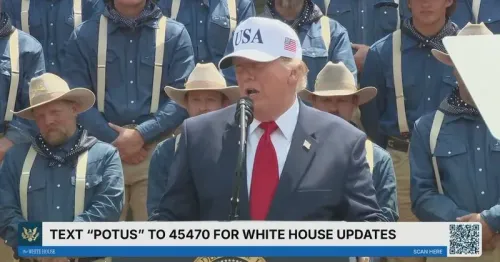
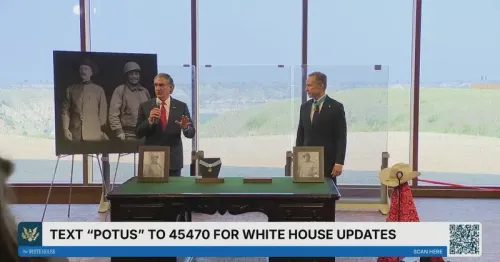
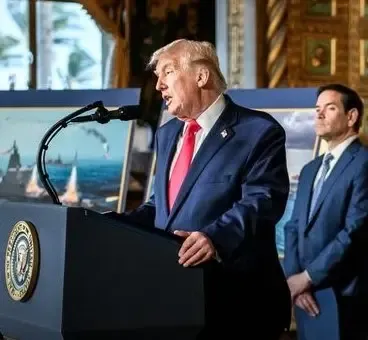
President Trump delivered a keynote address at the opening of the Theodore Roosevelt Presidential Library in Medora, North Dakota, on 2 July 2026. The White House called it a historic occasion, linking the site's frontier heritage to Roosevelt's enduring legacy of conservation and executive leadership.
Key Takeaways
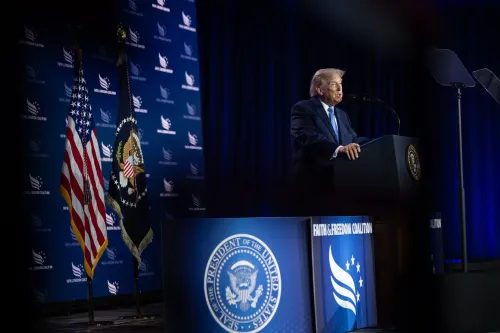
President Trump delivered the keynote speech at the opening of the Theodore Roosevelt Presidential Library on 2 July 2026 .
The library is located in Medora, North Dakota , adjacent to Theodore Roosevelt National Park , and was developed by a private foundation with the National Park Service .
Theodore Roosevelt , the 26th US President , is remembered for trust-busting, national parks expansion, and the Square Deal.
The Presidential Libraries Act of 1955 formalised the system under which such institutions are built and federally accepted.
The event is expected to boost tourism and archival access in North Dakota , with digitisation and educational programmes to follow.
The White House announced on Wednesday, 2 July 2026, that President Donald Trump delivered a keynote address at the opening ceremony of the Theodore Roosevelt Presidential Library in Medora, North Dakota — a milestone the administration described as a historic occasion befitting the legacy of one of America's most consequential presidents.
Context
The library is situated in Medora, a historic town in western North Dakota adjacent to Theodore Roosevelt National Park. The site was selected by a private foundation in association with the National Park Service, making it a fitting tribute to Theodore Roosevelt, the 26th President of the United States (1901–1909), whose conservation legacy is deeply tied to the badlands landscape of the region.
The White House post described the setting as 'a historic town built for a historic Presidential library,' underscoring the symbolic weight the administration attached to the event. The library is dedicated to Roosevelt's papers and public legacy.
Policy Backdrop
The modern presidential library system traces its origins to the Presidential Libraries Act of 1955, which formalised federal acceptance of libraries built by private or state entities on behalf of presidents from Herbert Hoover onwards. Such institutions serve as repositories of historical records and public education centres.
Theodore Roosevelt is remembered for landmark achievements including trust-busting, the expansion of the national parks system, and the 'Square Deal' domestic programme. President Trump has repeatedly invoked Roosevelt's image of vigorous executive leadership and American assertiveness in public remarks, making this dedication a symbolically resonant platform.
Stakeholders and Impact
The opening is expected to benefit North Dakota residents and the broader tourism economy around Medora, which already draws visitors to Theodore Roosevelt National Park. Presidential historians and archivists stand to gain from expanded public access to Roosevelt-era documents and artefacts.
Presidential library dedications have long provided sitting or former presidents a platform to connect contemporary governance themes with historical precedents. This event fits a recurring pattern in which administrations use commemorative milestones to highlight policy continuity on issues such as conservation, infrastructure, and national strength.
What's Next
Attention will now turn to the rollout of public access programmes, archival digitisation efforts, and educational initiatives at the new library. Possible congressional appropriations or North Dakota state-level tourism initiatives tied to the site are also being watched by policy observers.
The library's opening marks a new chapter in preserving the legacy of one of America's most consequential presidents, and its long-term impact will depend on the depth and accessibility of its archival and public outreach programmes.
Point of View
Nationalist governance. For an administration that has frequently invoked historical precedent to frame contemporary policy, this event represents a carefully curated moment of political theatre as much as historical commemoration. The library's long-term credibility will ultimately rest on the rigour of its archival mission rather than the fanfare of its opening day.
NationPress
2 Jul 2026
Frequently Asked Questions
Where is the Theodore Roosevelt Presidential Library located?
The Theodore Roosevelt Presidential Library is located in Medora, a historic town in western North Dakota adjacent to Theodore Roosevelt National Park.
Why did Trump speak at the Theodore Roosevelt Presidential Library opening?
President Trump delivered the keynote address at the library's opening ceremony, an event the White House described as historic. Trump has frequently invoked Roosevelt's legacy of vigorous executive leadership in his public remarks.
What is the Theodore Roosevelt Presidential Library about?
The library is dedicated to the papers and public legacy of Theodore Roosevelt, the 26th President of the United States, known for trust-busting, expanding the national parks system, and the Square Deal domestic programme.
When did the Theodore Roosevelt Presidential Library open?
The opening ceremony took place on 2 July 2026, with President Trump delivering the keynote speech at the event.
How are US presidential libraries established?
The modern presidential library system was formalised under the Presidential Libraries Act of 1955, which allowed the federal government to accept libraries built by private or state entities on behalf of presidents from Herbert Hoover onwards.