Trump panel urges Johnson Amendment repeal in 12-point religious liberty plan
Synopsis
Trump's Presidential Commission on Religious Liberty has handed the president a 12-point plan — and the centrepiece is repealing the Johnson Amendment, the 70-year-old tax rule that stops churches from backing political candidates. With 103 witnesses heard over seven months, the commission is the most formal push yet for a repeal that has eluded conservatives for decades.
Key Takeaways
The Presidential Commission on Religious Liberty presented 12 recommendations to President Donald Trump on 27 June .
The panel recommends repealing the Johnson Amendment , which bars tax-exempt organisations from political endorsements.
Commission Vice Chairman Ben Carson also called for stronger anti-Semitism enforcement and legal protections for religiously motivated service members.
The commission proposes new Presidential Medal of Religious Liberty and First Freedom Hero Awards .
Attorney General Todd Blanche said the Justice Department and White House will work together to advance the proposals.
Repeal of the Johnson Amendment requires Congressional action; the commission's report carries no legislative force on its own.
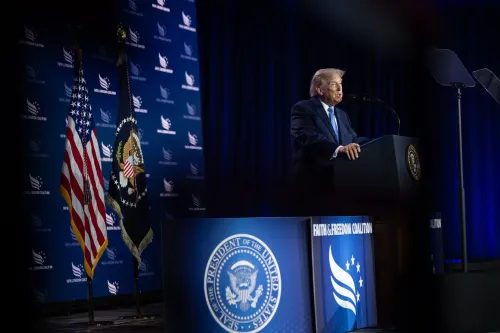
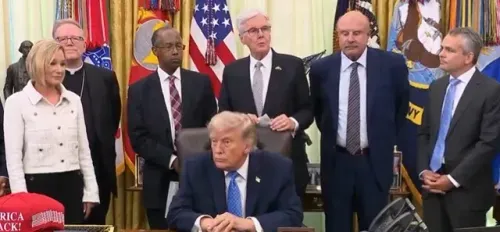
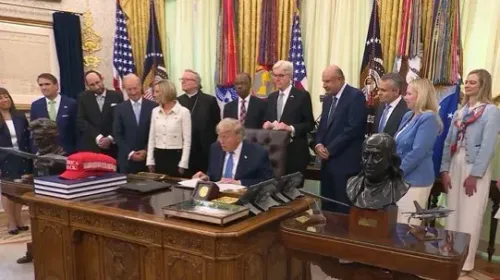
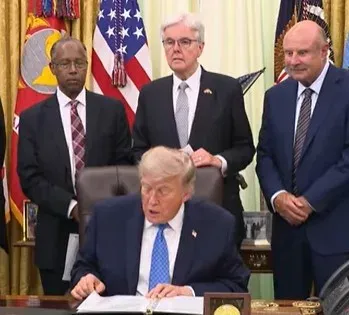
A Presidential Commission on Religious Liberty presented 12 recommendations to President Donald Trump on Friday, 27 June, calling for the repeal of the Johnson Amendment and broader legal protections for Americans practising their faith. The proposals follow seven months of hearings involving 103 witnesses, making it one of the most extensive federal reviews of religious freedom in recent years.
Key Recommendations
Commission Vice Chairman Ben Carson outlined the panel's priorities, which include stronger enforcement against anti-Semitism, legal shields for religious Americans facing government-initiated litigation, and the outright repeal of the Johnson Amendment — the 1954 tax-code provision that bars tax-exempt organisations, including churches, from endorsing or opposing political candidates.
'Combat anti-Semitism through enforcement of civil rights laws; litigation of credible allegations of anti-Semitic discrimination and violence and civic education; protect religious Americans from government led litigation targeting their free exercise; repeal the Johnson Amendment,' Carson said.
The commission also called on the Department of War to streamline religious accommodation procedures for military personnel and to restore retirement, health insurance, pensions, and other benefits for service members who lost employment over religious objections to Covid vaccines.
Honouring Religious Liberty Defenders
Among the more symbolic proposals is the creation of a Presidential Medal of Religious Liberty and First Freedom Hero Awards to recognise Americans who defend constitutional religious freedoms. 'Honor the courage of religious liberty heroes through creating a Presidential Medal of Religious Liberty and First Freedom Hero Awards to recognise Americans who stand up for religious freedom and play an indispensable role in protecting citizens' constitutional rights,' Carson said.
What the Administration Said
Attorney General Todd Blanche framed the report as a starting point rather than a conclusion. 'We're not here saying, you know, we're done. We're here saying there's a lot of work left to do,' he said, adding that the Justice Department and the White House would work together to advance the panel's proposals.
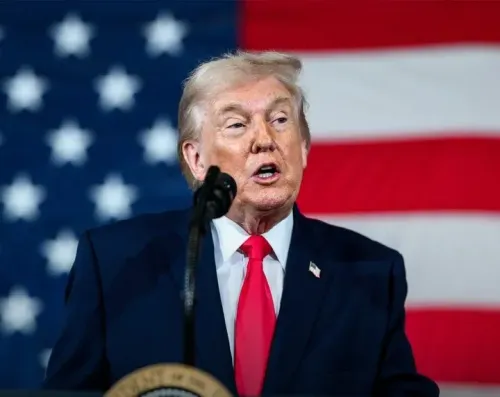
President Trump pledged to study the report and pursue implementation. 'We're going to bring religion back even stronger,' he said. 'They've made some very strong recommendations, and now we have to convince people to adhere by those regulations.'
Rabbi Meir Soloveichik, also a commission member, stressed the urgency of the anti-Semitism recommendations, noting that New York's Jewish community faced 'a lot of threats' and that 'it's a scary time in New York right now.'
Background and Broader Context
Calls to repeal the Johnson Amendment have been a recurring feature of conservative religious-liberty advocacy since the 1990s, and Trump raised the issue during his first term without securing legislative action. The amendment's repeal would require an act of Congress, meaning the commission's recommendation alone carries no legal force. Critics have long argued that repeal would effectively allow houses of worship to function as political vehicles while retaining their tax-exempt status — a concern that civil liberties groups are expected to renew in response to this latest push.
This comes amid a broader pattern of the Trump administration using executive-level bodies to signal legislative priorities it cannot unilaterally enact. Whether the 12 recommendations translate into concrete policy will depend on Congressional appetite — and that remains uncertain.
Point of View
Not a presidential panel. What the report does achieve is putting the issue back on the legislative agenda with fresh institutional weight. The more substantive proposals — restoring benefits to service members dismissed over Covid vaccine objections, and directing the Justice Department to litigate anti-Semitism cases — sit on firmer executive ground and could move faster. The gap between the commission's ambition and its actual authority is the story mainstream coverage is likely to underplay.
NationPress
27 Jun 2026
Frequently Asked Questions
What is the Johnson Amendment and why does the commission want it repealed?
The Johnson Amendment is a 1954 provision in the US tax code that prohibits tax-exempt organisations, including religious institutions, from endorsing or opposing political candidates. The commission argues it unconstitutionally restricts the free exercise of religion and political speech by faith communities.
What are the other key recommendations in the commission's 12-point plan?
Beyond repealing the Johnson Amendment, the commission recommends stronger civil rights enforcement against anti-Semitism, legal protections for religious Americans targeted by government litigation, streamlined military religious accommodation procedures, and restoration of benefits for service members dismissed over Covid vaccine religious objections. It also proposes a Presidential Medal of Religious Liberty and First Freedom Hero Awards.
Who led the Presidential Commission on Religious Liberty?
Vice Chairman Ben Carson outlined the commission's recommendations at the presentation to President Trump. Attorney General Todd Blanche and Rabbi Meir Soloveichik also spoke, with Blanche committing the Justice Department to advancing the proposals.
Can President Trump repeal the Johnson Amendment on his own?
No. The Johnson Amendment is embedded in the US tax code, meaning its repeal requires an act of Congress. The commission's recommendation is advisory; it carries no legislative or legal force by itself.
What did President Trump say about the commission's report?
President Trump said his administration would study the report and work to implement its recommendations. 'We're going to bring religion back even stronger,' he said, though he acknowledged the need to 'convince people to adhere by those regulations.'