Trump claims US-Venezuela oil deal covers 65 billion barrels, biggest in history
Synopsis
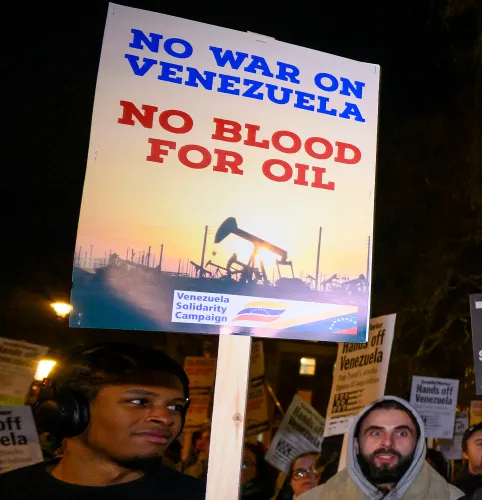
Trump’s claim of the ‘biggest oil deal in world history’ with Venezuela is extraordinary on every dimension — 65 billion barrels, $100 billion in investment, and majority US private control of a foreign nation’s reserves. But it arrives in the context of a US military seizure of Venezuela’s elected president, raising urgent questions about legality, enforceability, and what this means for global energy geopolitics.
Key Takeaways
US President Donald Trump announced a US-Venezuela oil agreement on 29 August , calling it the ‘biggest oil deal in world history.’ The deal reportedly secures majority US control over more than 65 billion barrels of proven Venezuelan oil reserves through private operators.
Venezuela’s acting president Delcy Rodriguez confirmed the agreement, citing development of 17 strategic fields and projected state tax revenues of $209 billion .
The investment commitment stands at more than $100 billion , with no public timeline or list of private operators disclosed.
The deal follows a 3 January US military operation in which President Nicolas Maduro was seized and transported to New York .
Venezuela holds the world’s largest proven oil reserves; a January hydrocarbons law reform opened the door to greater private sector participation.
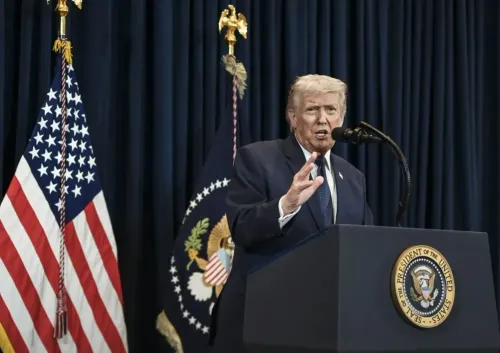
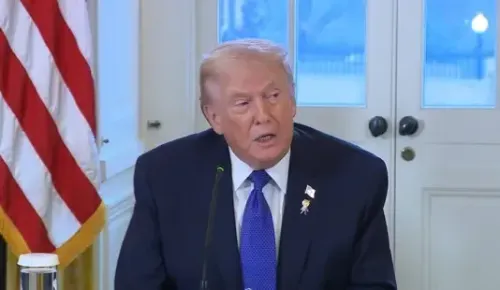
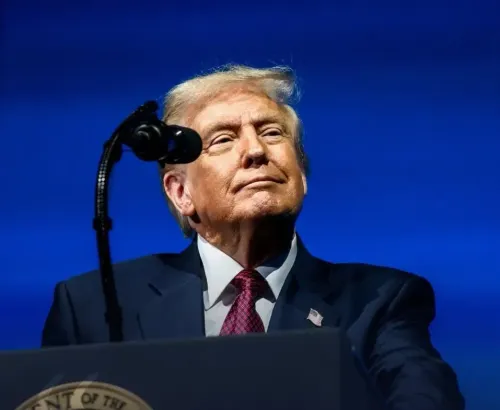
US President Donald Trump on 29 August announced that the United States and Venezuela have reached what he described as the single largest oil agreement in world history, claiming it secures majority American control over more than 65 billion barrels of proven oil reserves at no direct cost to US taxpayers. The announcement, made via a post on Truth Social, came as US oil prices have risen sharply following the outbreak of the Iran conflict in late February.
What Trump Claimed
In his Truth Social post, Trump wrote that the deal “MORE THAN DOUBLES American Oil Reserves, greatly increases our Oil Supply, and will substantially lower Gas Prices for all Americans, long into the future.” The agreement, he said, was structured through a partnership with private business, securing majority US control over Venezuelan reserves “at no cost to the American Taxpayer.”
Notably, Trump did not name the private entities involved, nor did he provide a timeline for production ramp-up or specify the regulatory framework governing the arrangement.
Venezuela’s Position
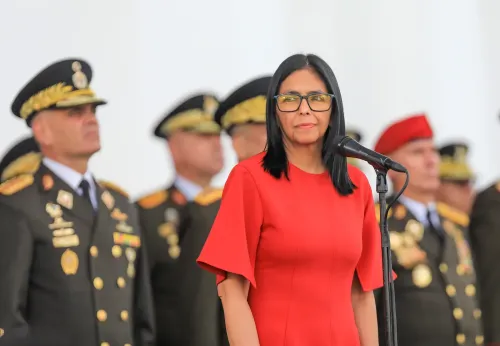
Venezuela’s acting president Delcy Rodriguez separately confirmed the deal on Friday, calling it “a historic agreement” aimed at promoting investment in the recovery and reconstruction of the country’s strategic hydrocarbons infrastructure. In a government statement, Rodriguez said the agreement would “strengthen bilateral relations and facilitate a major flow of investment into the country’s energy sector.”
According to the Venezuelan statement, the deal covers the development of 17 strategic fields with a proven potential of 65 billion barrels of oil, an investment commitment of more than $100 billion, and projected tax revenues of more than $209 billion for the Venezuelan state.
Background and Context
Venezuela holds the world’s largest proven oil reserves, though chronic underinvestment, US sanctions, and political instability have kept production well below capacity for years. On 29 January, Rodriguez had announced a partial reform of the country’s hydrocarbons law to allow greater private participation in the oil sector — a legislative shift that reportedly laid the groundwork for Friday’s announcement.
This comes amid a sharply altered bilateral relationship. On 3 January, US military forces launched a large-scale strike against Venezuela and forcibly seized Venezuelan President Nicolas Maduro and his wife before transporting them to New York, according to reports. Rodriguez has been serving as acting president since that development.
Why It Matters
If verified and operationalised, the agreement would represent one of the most consequential energy realignments in decades. US oil prices have already risen sharply since the Iran conflict erupted in late February, stoking inflation concerns. Access to Venezuelan reserves at scale could, in theory, ease supply pressure — though analysts would note that converting proven reserves into flowing barrels requires years of infrastructure investment and political stability, neither of which is guaranteed in Venezuela’s current circumstances.
The deal’s structure — majority US control through private operators — also raises questions about sovereignty and the long-term enforceability of the arrangement, particularly given Venezuela’s history of nationalisation and the extraordinary circumstances under which the current government is operating.
What Comes Next
No formal treaty text or signed agreement document has been publicly released as of the announcement. Industry bodies and energy analysts are expected to scrutinise the terms closely, particularly the investment timeline, the identity of the private US operators, and the mechanism for revenue-sharing with the Venezuelan state. The $100 billion investment figure, if committed, would rank among the largest single energy infrastructure pledges in history.
Point of View
And the $100 billion investment figure has no named backers yet. The mainstream coverage is treating this as a bilateral energy story; it is equally a story about the legal and geopolitical architecture of resource control in a post-Maduro Venezuela — and the long-term enforceability of any agreement struck under these conditions.
NationPress
29 Aug 2026
Frequently Asked Questions
What is the US-Venezuela oil deal announced by Trump?
It is an agreement under which the United States, through a partnership with private businesses, claims to have secured majority control over more than 65 billion barrels of proven Venezuelan oil reserves. Trump announced the deal on 29 August via Truth Social, calling it the largest oil agreement in world history.
What does Venezuela get from the deal?
According to the Venezuelan government statement, the deal involves development of 17 strategic oil fields, an investment of more than $100 billion, and projected tax revenues of more than $209 billion for the Venezuelan state. Acting President Delcy Rodriguez said it would strengthen bilateral ties and boost investment in the energy sector.
Who is currently governing Venezuela, and why?
Delcy Rodriguez is serving as acting president of Venezuela after US military forces seized President Nicolas Maduro and transported him to New York on 3 January, according to reports. Rodriguez had previously announced a partial reform of Venezuela’s hydrocarbons law in January to allow greater private sector participation.
How significant are Venezuela’s oil reserves?
Venezuela holds the world’s largest proven oil reserves. However, years of underinvestment, sanctions, and political instability have kept production far below potential, making any large-scale investment agreement consequential for global energy supply.
Will the deal lower US gas prices?
Trump claimed the agreement will ‘substantially lower Gas Prices for all Americans, long into the future.’ However, converting proven reserves into flowing supply requires years of infrastructure development, and no production timeline has been publicly disclosed, making near-term price relief uncertain.