Trump warns of more Iran strikes, dismisses Hormuz renaming plan
Synopsis
Trump declared the US military is ready to hit Iran 'any time we want' — hours after a strike Iran says killed at least four people at a wedding. With the UN calling for an immediate ceasefire and Trump floating — then walking back — renaming the Strait of Hormuz after himself, the crisis is escalating on military, diplomatic, and rhetorical fronts simultaneously.
Key Takeaways
President Trump said on 3 September that the US is 'prepared to do another' strike on Iran 'any time we want.' Iranian officials say a US strike on Tuesday night hit a wedding party in southern Iran, killing at least four people and wounding dozens.
US Central Command said it is investigating the civilian casualty reports and that the military 'never targets civilians.' Trump dismissed his own Truth Social post suggesting the Strait of Hormuz be renamed 'TRUMP STRAIT,' calling it something 'just thrown out there.' UN Secretary-General Antonio Guterres called for an immediate cessation of military action and urged both sides to return to diplomacy.
The UN warned that further escalation would have 'devastating consequences' for civilians and critical regional shipping routes.
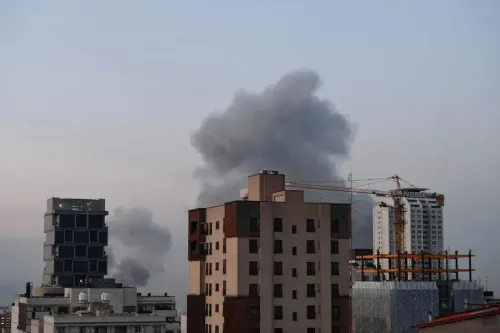
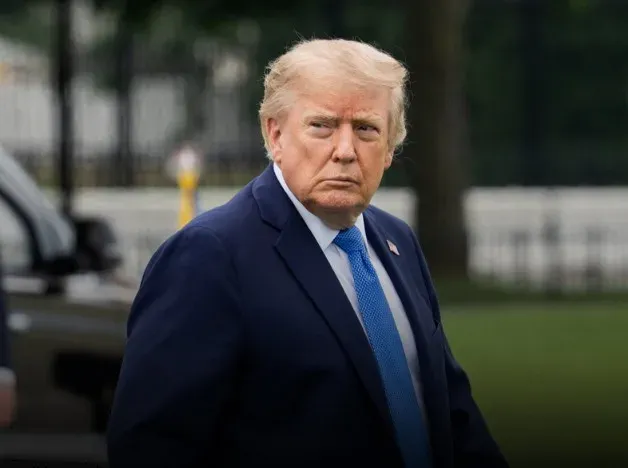
President Donald Trump declared on Wednesday, 3 September that the US military stands ready to strike Iran again at will, even as civilian casualty reports from the previous night's attack drew sharp international condemnation. The statement came hours after a US strike on Tuesday night that Iranian officials said hit a wedding party in southern Iran, killing at least four people and wounding dozens more.
Trump's Warning and What the Military Struck
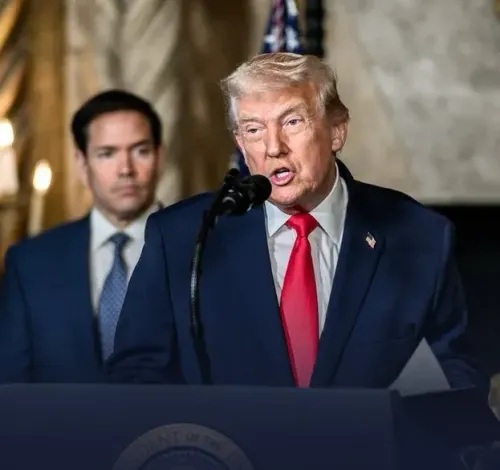
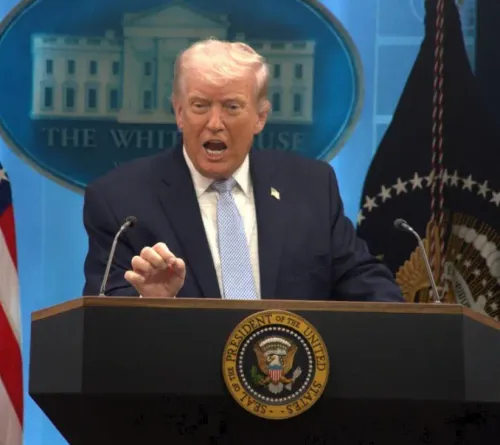
'It was a very heavy attack last night, and we're prepared to do another one any time we want,' Trump told reporters at the White House on Wednesday. He added that the US military 'took out all of the new equipment that they tried to build along the Strait of Hormuz.' The remarks signal an unambiguous posture of continued military pressure on Tehran, with no indication of a pause for diplomatic engagement.
Civilian Casualty Reports and the US Military's Response
Iranian officials alleged on Wednesday that the US strike hit a wedding ceremony in southern Iran, resulting in at least four deaths and injuries to dozens of others. US Central Command said it was looking into the reports, reiterating that the US military 'never targets civilians.' The discrepancy between the two accounts remains unresolved, and no independent verification has emerged.
The Hormuz Renaming Controversy
Trump also addressed a separate controversy: whether he intended to rename the Strait of Hormuz after himself. 'No, no ... it was just thrown out there,' he told reporters Wednesday afternoon. Earlier that same day, Trump had posted on Truth Social: 'Now that we have it under USA control, should we change the name Hormuz Strait to TRUMP STRAIT???' The post drew immediate global attention. Notably, Trump had signed an executive order less than a week earlier renaming Lake Ontario 'Lake America' amid escalating tariff tensions with Canada. He had also told a rally in Long Island last month that he would declare the strait a US territory, according to US media reports.
UN Chief Sounds the Alarm
UN Secretary-General Antonio Guterres is reportedly deeply alarmed by the renewed military exchanges between the two countries, his spokesperson Stephane Dujarric said on Wednesday. 'The Secretary-General is deeply alarmed by reports of civilian casualties, including in a strike that reportedly hit a wedding ceremony in Iran,' Dujarric said. Guterres condemned all attacks on civilians and called on all parties to uphold their obligations under international humanitarian law, including the principles of distinction, proportionality, and precaution. 'The Secretary-General reiterates his call for an immediate cessation of military action, and urges all concerned to exercise restraint and refrain from actions and rhetoric that could further escalate already high tensions,' Dujarric added, warning that few countries in the region are immune from the fallout, with airspace and critical shipping routes already heavily impacted.
Humanitarian and Regional Stakes
Dujarric warned that 'further escalation ... would have devastating consequences for civilians and for the wider region and beyond.' The Gulf crisis risks compounding existing humanitarian crises across the Middle East, with aid operations already described as overstretched and underfunded. Guterres urged both Washington and Tehran to return urgently to diplomacy, stating that a comprehensive and durable settlement can only be achieved through dialogue and negotiations.
Point of View
However flippant, is not trivial: it follows a pattern of territorial rhetoric — Gulf of Mexico, Lake Ontario, Greenland — that is reshaping how US partners read Washington's strategic intentions. The UN's call for restraint will change little without a concrete diplomatic channel; and right now, there is none publicly visible.
NationPress
3 Sept 2026
Frequently Asked Questions
What did Trump say about further US strikes on Iran?
President Trump said on 3 September that the US military is 'prepared to do another' strike on Iran 'any time we want,' following a strike the previous night. He made the remarks to reporters at the White House on Wednesday.
What happened during the US strike on Iran on Tuesday night?
Iranian officials said the US strike on Tuesday night hit a wedding party in southern Iran, killing at least four people and wounding dozens of others. US Central Command said it was investigating the reports and maintained that the military never targets civilians.
Did Trump actually plan to rename the Strait of Hormuz after himself?
No. Trump walked back the idea on Wednesday afternoon, saying 'No, no ... it was just thrown out there.' He had earlier posted on Truth Social asking whether the waterway should be renamed 'TRUMP STRAIT,' which drew widespread attention.
What has the UN said about the US-Iran military exchanges?
UN Secretary-General Antonio Guterres expressed deep alarm over the renewed military exchanges and civilian casualty reports. Through his spokesperson Stephane Dujarric, he called for an immediate cessation of military action and urged both the US and Iran to return to diplomacy.
Why is the Strait of Hormuz strategically significant?
The Strait of Hormuz is one of the world's most critical shipping chokepoints, through which a significant share of global oil and gas exports pass. Any disruption to navigation there has immediate consequences for global energy markets and regional stability.