Is the US Preparing to Launch Land Strikes on Caribbean Drug Traffickers Soon?
Click to start listening
Synopsis
In an announcement that could escalate tensions in the Caribbean, President Trump declared the US will soon initiate land strikes against drug traffickers. This significant move, aimed at combating the drug trade linked to Venezuela, raises questions about US military involvement and legal implications in the region.
Key Takeaways
- US military strikes against Caribbean drug traffickers are imminent.
- The Pentagon has conducted numerous operations targeting drug vessels.
- Critics question the legality of US actions in foreign territories.
- The US military presence in the Caribbean is at its highest in decades.
- Venezuela's government denies involvement in drug trafficking.
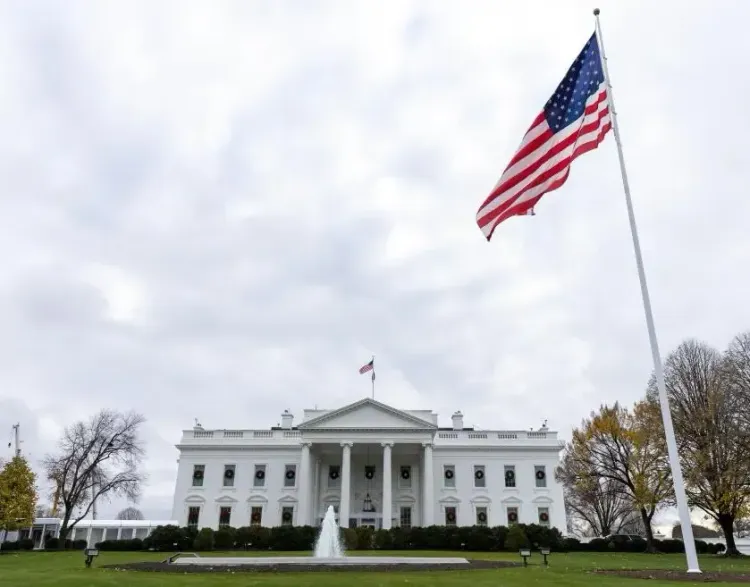
Washington, Dec 3 (NationPress) President Donald Trump announced during a cabinet meeting at the White House that his administration is set to initiate land strikes against drug traffickers in the Caribbean "very soon."
"We will commence those land strikes soon. The land approach is considerably easier, and we have a clear understanding of their routes," Trump stated during the meeting on Tuesday. "This will begin shortly."
In his Thanksgiving address to US military personnel, Trump expressed gratitude to the Air Force's 7th Bomb Wing for their efforts in countering Venezuelan drug traffickers, noting, "Approximately 85 percent of their activities are halted at sea... and we will soon target them on land."
"Additionally, land operations are more straightforward, and we will initiate those actions very soon," Trump remarked from his Mar-a-Lago estate.
Since September 2, the Pentagon has executed at least 21 confirmed strikes on suspected drug vessels in the Caribbean and eastern Pacific, resulting in the deaths of at least 83 individuals aboard, according to reports from Xinhua news agency.
In recent months, the US has positioned around a dozen warships, including the USS Gerald R. Ford, a significant aircraft carrier, along with approximately 15,000 troops in the Caribbean Sea, a region that shares an extensive coastline with Venezuela. This marks the largest US military presence in the area in nearly three decades.
Critics, including several lawmakers at the US Capitol, have raised concerns regarding whether drug enforcement is the sole motivation behind US military actions and have questioned the legality of such strikes in the Caribbean.
Venezuelan President Nicolas Maduro has refuted any connections to drug trafficking and accused the United States of fabricating a conflict aimed at regime change in his nation.
Point of View
It is crucial to approach the unfolding events in the Caribbean with an unbiased lens. The US's decision to escalate military action against drug traffickers raises significant questions about legality and intent, and it is vital to consider the regional impact on both Venezuela and the Caribbean nations involved.
NationPress
03/12/2025
Frequently Asked Questions
What prompted the US to initiate land strikes in the Caribbean?
The US aims to combat drug trafficking, particularly linked to Venezuelan operations, as part of a broader counternarcotics strategy.
What are the potential legal implications of these strikes?
Critics have raised concerns about the legality of US military actions in foreign territories and whether drug enforcement is the sole motive behind these strikes.
How many strikes have been conducted recently in the Caribbean?
Since September 2, the Pentagon has conducted at least 21 known strikes on alleged drug vessels in the Caribbean.
What military resources is the US deploying to the Caribbean?
The US has deployed around a dozen warships and approximately 15,000 troops to the Caribbean region.
How has Venezuela responded to these US actions?
Venezuelan President Nicolas Maduro has denied any ties to drug trafficking and accused the US of attempting regime change.