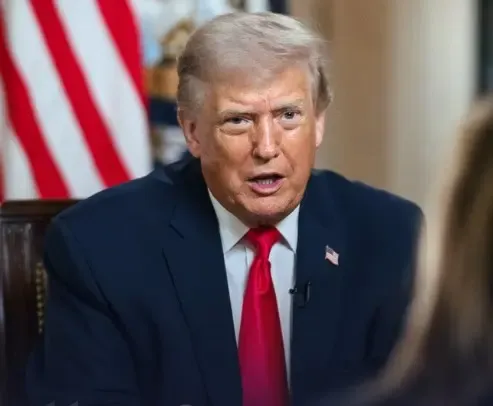
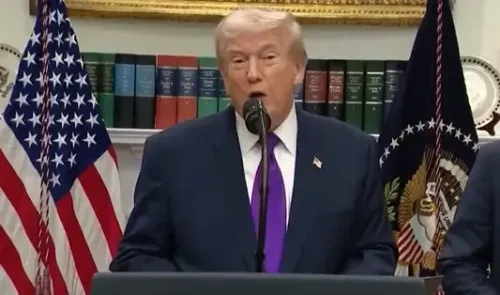
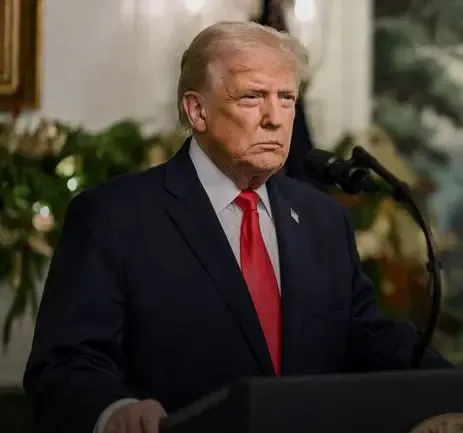
Trump signs right-to-repair order for vehicles, targets cost of car ownership
Synopsis
Trump's right-to-repair memorandum goes beyond a consumer-friendly headline — it directly targets California's exclusive grip on aftermarket parts certification, a regulatory chokepoint that has frustrated independent repair shops for years. If the administration follows through on breaking the CARB monopoly, it could reshape the US auto aftermarket more than any single policy in a decade.
Key Takeaways
President Trump signed a presidential memorandum on 30 June expanding Americans' right to repair their own vehicles.
The EPA has been directed to support the 'freedom to fix' and increase competition in the aftermarket parts industry.
The order extends protections first applied to agricultural equipment under a February executive action.
EPA Administrator Lee Zeldin announced plans to end CARB 's exclusive role as the sole third-party certifier for aftermarket vehicle parts.
The administration also pledged to curb imports of counterfeit or substandard aftermarket parts that undercut American businesses.
Trump personally pushed the proposal after raising it during a weekend phone call, seeking a rapid public rollout.
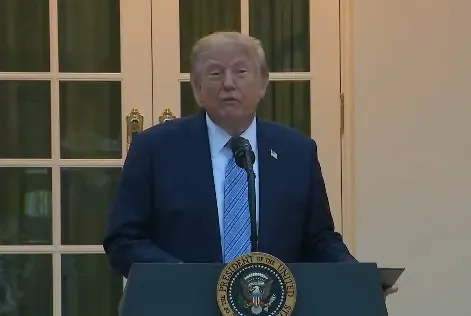
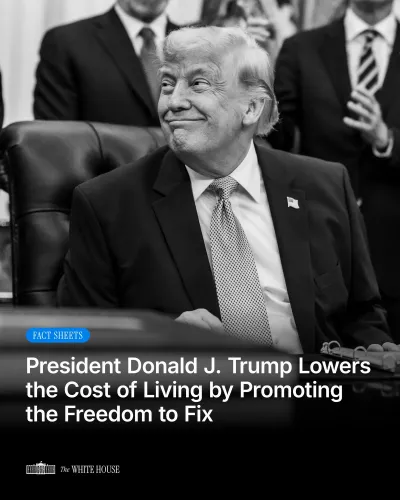
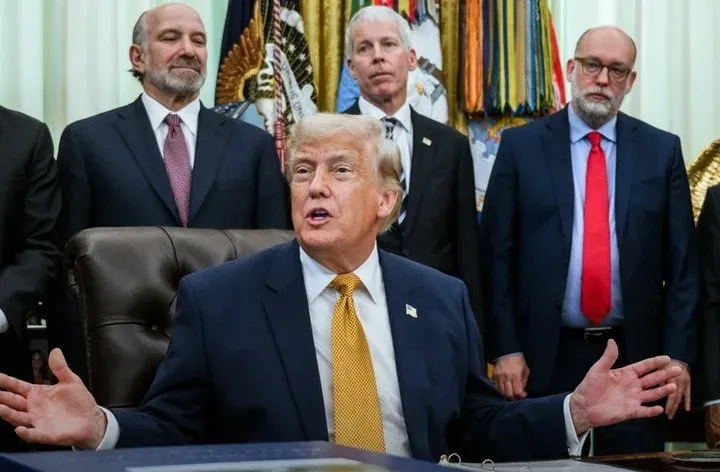
US President Donald Trump on 30 June signed a presidential memorandum directing federal agencies to expand Americans' ability to repair their own vehicles, framing the move as a defence of consumer affordability and personal freedom. The order instructs the Environmental Protection Agency (EPA) to support what the administration describes as Americans' 'freedom to fix' their own cars, while simultaneously opening up competition in the aftermarket parts industry.
What the Memorandum Directs
The presidential memorandum tasks the EPA with backing independent and self-repair of passenger vehicles — extending protections that were first applied to agricultural equipment under a similar executive action signed in February. The administration argues that broadening access to vehicle repairs and replacement parts will reduce maintenance costs for everyday consumers and create a more level playing field for independent repair shops and small businesses across the United States.
What Trump and Zeldin Said
'I think it's very important, going to lower the price of your car. It's going to lower the price of fixing your car. It has to do with affordability,' Trump said before signing the memorandum. He added that his attention was drawn to the issue after learning of government action against people who repaired their own vehicles. 'It came to my attention because I noticed they were arresting people for fixing their car. They were arresting people for fixing — that's not even believable,' he said.
EPA Administrator Lee Zeldin said the administration would not pursue individuals for repairing their own vehicles, contrasting the stance with what he described as the approach of past administrations. 'Americans have the freedom to fix their vehicle. President Trump insists upon it. We are not going to be going after people who are fixing their own vehicle, like past administrations have,' Zeldin said.
Breaking California's Grip on Aftermarket Certification
A significant element of the memorandum targets the California Air Resources Board (CARB), which currently holds the sole third-party certification authority for aftermarket vehicle parts in the US. Zeldin called the arrangement 'backlogged and faulty' and said the administration would end that exclusivity. 'We're going to break that monopoly and no longer will CARB be the only third-party certifier for these aftermarket parts,' he said. The administration also signalled plans to curb imports of what Zeldin described as 'cheap knockoff aftermarket parts' that harm American businesses.
Background and Broader Context
The right-to-repair movement has gained momentum across multiple industries in recent years, with advocates arguing that manufacturers — particularly in the automotive and electronics sectors — have used proprietary software and restricted parts access to lock consumers into costly dealership-only servicing. The Trump administration's move follows a broader federal push: the Federal Trade Commission (FTC) had previously flagged repair restrictions as anti-competitive under the Biden administration, though enforcement remained limited. Zeldin noted that Trump personally accelerated the proposal after raising it during a weekend phone call, pushing for a swift public announcement.
What Comes Next
The memorandum sets the policy direction but will require the EPA and other relevant agencies to translate it into regulatory guidance. Industry observers expect pushback from automakers and CARB, which has historically defended its certification role as an environmental safeguard. Independent repair associations have broadly welcomed the move, while consumer groups are likely to monitor whether the promised cost reductions materialise at the workshop level.
Point of View
And stripping CARB of its exclusive certifier status would mark a significant federal encroachment on a power California has held for decades. Whether the EPA can operationalise an alternative certification regime quickly enough to matter is the real question. The right-to-repair rhetoric is popular; the regulatory mechanics are where this will succeed or stall.
NationPress
29 Sept 2026
Frequently Asked Questions
What did Trump's right-to-repair memorandum do?
President Trump signed a presidential memorandum on 30 June directing the EPA to support Americans' ability to repair their own vehicles and expand competition in the aftermarket parts industry. The order also moves to end California's exclusive role in certifying aftermarket vehicle parts.
How does this differ from the earlier right-to-repair order?
The February order applied right-to-repair protections to agricultural equipment. The 30 June memorandum extends similar protections to passenger vehicles, broadening the policy's scope to cover the far larger consumer auto market.
Why is California's CARB being targeted?
The California Air Resources Board (CARB) is currently the only third-party certifier for aftermarket vehicle parts in the US. EPA Administrator Lee Zeldin called the process 'backlogged and faulty' and said the administration would introduce alternative certifiers to break what he termed a monopoly.
Will this actually lower car repair costs?
The administration argues that greater competition in parts supply and repair services will reduce costs for consumers and benefit independent repair shops. However, the memorandum sets policy direction only — specific regulatory changes by the EPA and other agencies will determine the real-world impact.
What happens next after the memorandum is signed?
The EPA and relevant agencies must now develop regulatory guidance to implement the memorandum's directives. Automakers and CARB are expected to contest elements of the order, particularly the move to end California's certification exclusivity, which may face legal challenges.