Trump to appeal White House complex ruling to US Supreme Court
Synopsis
An appellate court has blocked construction of Trump's sweeping White House security complex — bomb shelters, missile-resistant steel, drone-proof roofs and all — and Trump is taking the fight straight to the Supreme Court. With the complex reportedly largely built and paid for, this is less a construction dispute and more a direct confrontation over whether federal courts can supervise construction at the President's own residence.
Key Takeaways
US President Donald Trump announced on 8 August that his administration would appeal to the US Supreme Court after an appellate court blocked White House complex construction.
Two appellate judges voted against continued construction; the ruling has been stayed temporarily pending the appeal.
Judge Neomi Rao dissented, arguing the lower court lacked jurisdiction and that the balance of equities 'overwhelmingly favours the government.' The planned complex reportedly includes bomb shelters , a hospital, missile-resistant steel, drone-proof roofs, and military-grade ventilation — with no taxpayer cost , according to Trump.
Trump described the ruling as politically motivated and said both the military and the Secret Service view it as a national security threat.
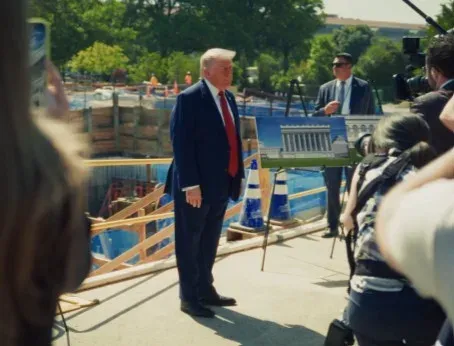
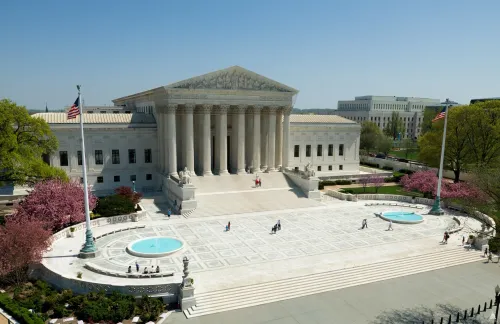
US President Donald Trump announced on 8 August that his administration would immediately petition the US Supreme Court after an appellate court ruled against continued construction of a military and security complex at the White House. The ruling, delivered by a two-judge majority, has been stayed temporarily, giving the administration a window to escalate the legal fight to the nation's highest court.
What the Appellate Court Decided
Two appellate judges voted to block construction of what Trump described as a 'desperately needed Military Center' critical to the national security of Washington and the broader United States. Trump characterised the ruling as politically motivated and unlawful, arguing it directly threatened the safety of White House staff, future presidents, and visiting foreign dignitaries.
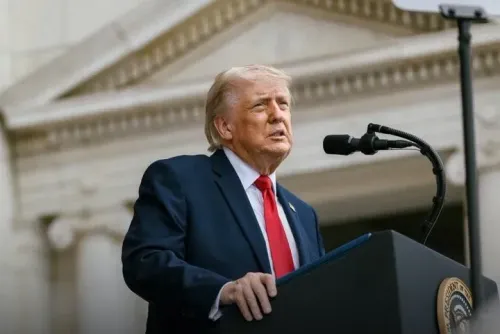
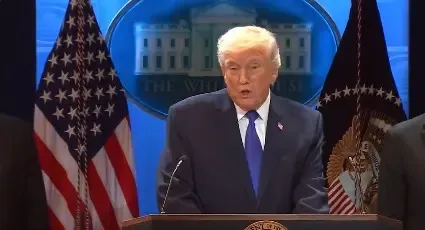
'The decision has been stayed, and does not take effect for a period of time. We will be immediately appealing to the United States Supreme Court,' Trump said in a post on Truth Social.
The Dissenting Voice: Judge Neomi Rao
Trump cited a sharp dissent filed by Judge Neomi Rao of the US Court of Appeals for the District of Columbia Circuit, who argued the lower court had no jurisdiction because the plaintiff lacked legal standing to halt construction. Rao, who was appointed to the court during Trump's first term and confirmed by the Senate in 2019, said the balance of equities 'overwhelmingly favours the government.'
'The district court seized supervision of construction at the White House, and my colleagues affirm this judicial overreach,' Rao said, according to excerpts shared by Trump. 'Because the injunction is beyond the proper province of the federal courts, construction should be allowed to continue.'
Rao also accused the district court of placing 'the aesthetic displeasure of a single passerby' above legitimate government security concerns — a framing the Trump administration has leaned into heavily.
What the Complex Is Designed to Include
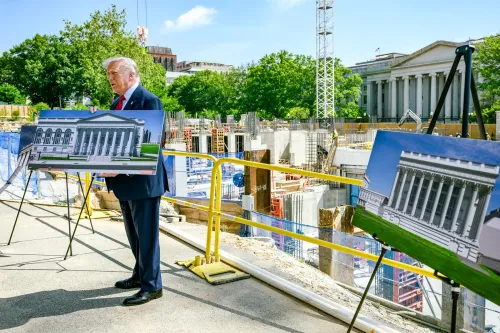
According to Trump, the integrated facility is engineered to serve as a comprehensive national security installation. Planned features reportedly include bomb shelters, a hospital and medical facilities, top-secret military installations, protective partitioning, and missile-resistant steel. The complex is also said to incorporate drone-proof ceilings and roofs, military-grade ventilation systems, and glass capable of withstanding bullets, ballistic impacts, and blasts.
Trump said the project — which includes a secure ballroom — was being built ahead of schedule and under budget, and described it as a gift from himself and private supporters that would impose no cost on taxpayers. 'The entire Complex, Military and all, is largely built, fabricated, and paid for. Much is already on site, or being delivered,' he said.
Broader Implications and What Comes Next
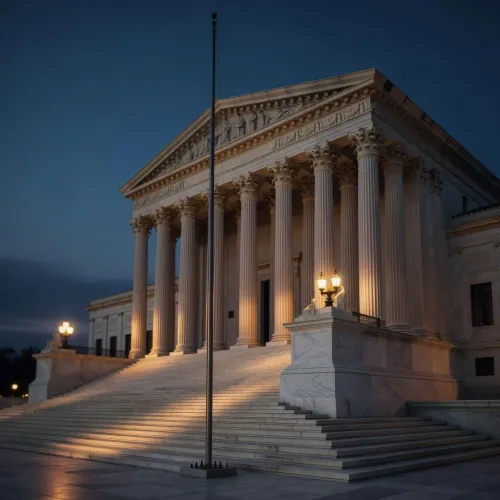
The administration's decision to approach the Supreme Court sets up a potentially significant legal confrontation over the limits of judicial oversight of executive-branch construction at the presidential residence. Trump argued that the military and the Secret Service both regard the injunction as a national security threat. This comes amid a broader pattern of the Trump administration challenging lower-court rulings through the Supreme Court on an accelerated timeline.
The Supreme Court's response — whether it agrees to hear the case, reinstates construction pending review, or declines — will be closely watched by legal scholars and security officials alike. With much of the complex reportedly already fabricated and on-site, the practical stakes of any delay are significant.
Point of View
If accepted by the Supreme Court, could shut down the case before it reaches the merits entirely. The Trump administration has shown a consistent willingness to fast-track disputes to the Supreme Court, and with a conservative majority, the calculus may favour a stay of the injunction. What mainstream coverage underplays is the precedent risk: a ruling that bars judicial oversight of White House construction could have implications well beyond this project.
NationPress
8 Aug 2026
Frequently Asked Questions
Why is Trump appealing to the US Supreme Court over the White House complex?
Trump is appealing after an appellate court ruled against continued construction of a military and security complex at the White House, which he argues is critical to national security. His administration says the ruling is politically motivated and that both the military and the Secret Service view the injunction as a threat to presidential security.
What is the White House military complex designed to include?
According to Trump, the integrated complex includes bomb shelters, a hospital and medical facilities, top-secret military installations, missile-resistant steel, drone-proof ceilings and roofs, military-grade ventilation, and blast-resistant glass. Trump says the project is largely already built and paid for by himself and private supporters, with no cost to taxpayers.
Who is Judge Neomi Rao and why does her dissent matter?
Judge Neomi Rao sits on the US Court of Appeals for the District of Columbia Circuit, appointed during Trump's first term and confirmed by the Senate in 2019. Her dissent argued the lower court had no jurisdiction because the plaintiff lacked standing — a legal argument that, if adopted by the Supreme Court, could end the case without a ruling on the merits.
Has the appellate court ruling taken effect?
No. The ruling has been stayed temporarily, meaning construction is not immediately halted while the Trump administration pursues its Supreme Court appeal. The window provided by the stay is central to the administration's legal strategy.
What happens next in the legal battle over White House construction?
The Trump administration has said it will immediately petition the US Supreme Court. The court could agree to hear the case, issue an emergency stay of the injunction to allow construction to continue, or decline to intervene — each outcome carrying significant implications for executive authority over White House infrastructure.