Trump credits 25% auto tariffs for GM revival and US production boom
Synopsis
Trump's visit to GM's Milford Proving Ground was equal parts factory tour and tariff victory lap. With GM claiming its best-ever year, a $9 billion domestic investment, and a 20% production surge in 2026, the president is using Michigan's auto belt to make the case that his 25% foreign-car tariff is the defining economic lever of his second term.
Key Takeaways
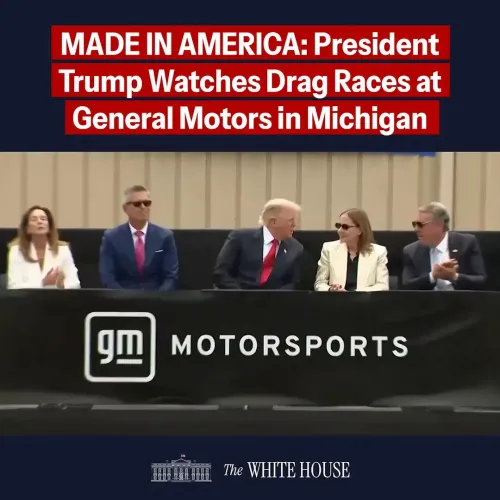
President Donald Trump visited the GM Milford Proving Ground in Michigan on 28 July , the first sitting president to do so.
Trump credited a 25% tariff on foreign automobiles and trucks with reviving US auto manufacturing.
GM reportedly invested $9 billion over two years in domestic factory operations and raised truck and SUV output by 20% in 2026.
Factory Zero in Detroit has been expanded to produce the Silverado, Sierra, Hummer, and Cadillac Escalade.
Ford is investing $3 billion in central Michigan; Toyota and Hyundai are also reportedly shifting production to the US.
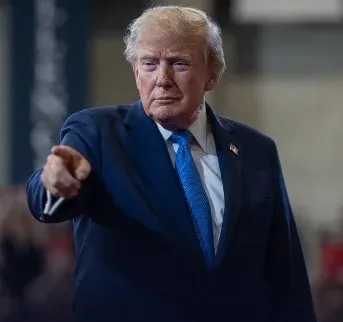
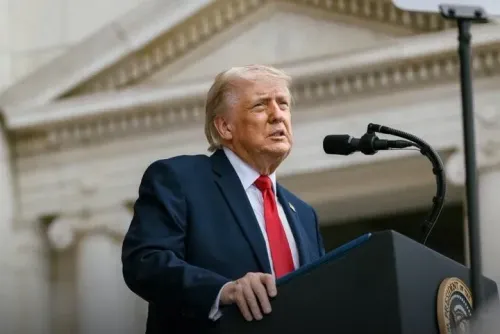
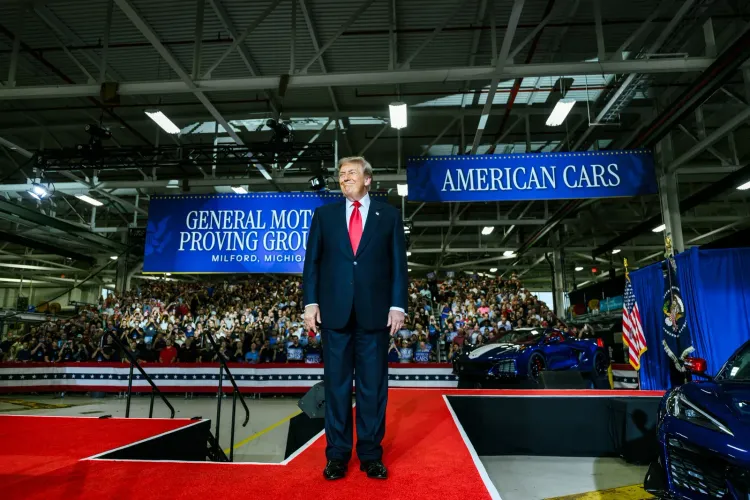
US President Donald Trump on Monday, 28 July credited his administration's 25% tariff on foreign automobiles and trucks with reviving General Motors (GM) and pulling automobile manufacturing back to the United States, calling it the company's strongest year on record. Trump made the remarks during a visit to the GM Milford Proving Ground in Michigan — which he described as the first by a sitting US president to the facility.
What Trump Said at Milford
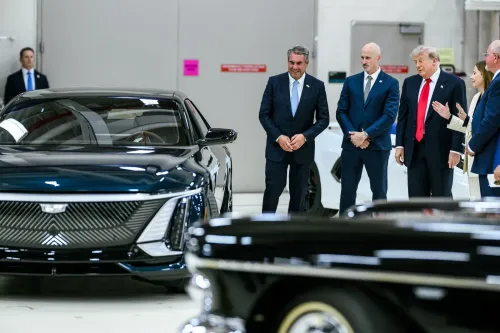
Touring the proving ground alongside GM Chief Executive Officer Mary Barra and company President Mark Reuss, Trump told workers: 'Today, I'm proud to say that the auto industry is back and America is back, and it's pulling Detroit and Michigan along with it.'
He attributed the turnaround directly to his trade policy. 'It's amazing what tariffs will do for General Motors, and what the election has done,' Trump said. 'They're doing great; General Motors is doing fantastically, the best year they've ever had.'
The Tariff Framework
Trump outlined the logic behind the levies in stark terms: manufacturers who build vehicles outside the United States face a 25% tariff on every car or truck shipped into the American market, while those who produce domestically pay zero tariff. 'My policy is simple — if you make your truck or your car in a foreign country, you have to pay for the privilege of sending it into our market,' he said. 'But if you build in a factory in Michigan or someplace in our country... you pay zero taxes, zero tariff.'
GM's Investments and Production Numbers
According to Trump, GM has invested $9 billion over the past two years in repatriating factory operations to the United States and has expanded its Factory Zero plant in Detroit to produce the Chevrolet Silverado, GMC Sierra, Hummer, and Cadillac Escalade. The president said GM raised truck and sport utility vehicle production by 20% in 2026.
The Milford Proving Ground, which has served as GM's primary vehicle development and safety testing facility for more than a century, is also where the presidential limousine — known as 'the Beast' — is reportedly designed, built, and tested. Trump noted that the facility's five-and-a-half-mile test track has hosted every generation of the Chevrolet Corvette.
Broader Industry Moves
Trump pointed to investment commitments from other major automakers as further evidence of the policy's impact. Ford is reportedly investing $3 billion to manufacture parts for a new pickup truck in central Michigan, while Toyota, Hyundai, and other manufacturers are also said to be relocating production to the United States. The president framed these moves as a direct consequence of the tariff incentive structure.
Michigan remains both the geographical centre of the US auto industry and a significant political battleground. Detroit hosts the North American operations of General Motors, Ford, and Stellantis, while the broader supply chain supports manufacturing employment across the state. Whether the production gains translate into sustained job growth — and how much is attributable to tariffs versus other market factors — is a question analysts and critics are likely to continue debating as the policy beds in.
Point of View
Which still make up a significant share of US-assembled vehicles — a contradiction the administration has not fully addressed. Michigan's political salience makes this as much a 2026 midterm message as an economic one.
NationPress
28 Oct 2026
Frequently Asked Questions
What tariff did Trump impose on foreign automobiles?
Trump's administration imposed a 25% tariff on automobiles and trucks manufactured outside the United States. The policy is designed to incentivise manufacturers to build vehicles domestically, where they pay zero tariff.
What did Trump claim about General Motors' performance?
Trump said General Motors is having its best year ever, attributing the turnaround to his tariff policy and the outcome of the election. He cited a 20% increase in truck and SUV production in 2026 and $9 billion in domestic factory investment over two years.
What is GM's Factory Zero?
Factory Zero is General Motors' Detroit assembly plant, which has been expanded to produce the Chevrolet Silverado, GMC Sierra, Hummer, and Cadillac Escalade. Trump pointed to its expansion as evidence of domestic manufacturing revival.
Which other automakers are investing in US production?
According to Trump, Ford is investing $3 billion to manufacture parts for a new pickup truck in central Michigan, while Toyota, Hyundai, and other manufacturers are also reportedly relocating production to the United States.
Why is Michigan significant for US auto policy?
Michigan is the historic centre of the American automobile industry, home to the North American headquarters of General Motors, Ford, and Stellantis. It is also a major political battleground, making it a strategically important backdrop for any administration promoting manufacturing policy.