Trump's $700mn coal revival: 14 plants saved, 14,000 jobs, $50bn savings
Synopsis
Trump has committed $700 million in federal money to save 14 coal plants, fund 2 new ones, and break ground on a massive export terminal — invoking the Defense Production Act to keep 13 plants alive. It is the most aggressive federal coal intervention in decades, and a direct reversal of the previous administration's energy posture.
Key Takeaways
President Trump announced a $700 million federal coal investment package on 5 June 2025 .
The package protects 14 coal plants and 42 coal mines , and funds 2 new coal plants and 1 export terminal .
The Defense Production Act was invoked to keep 13 coal-fired power stations running across 10 states .
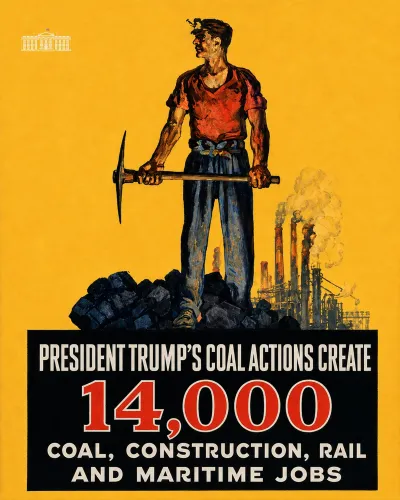
The administration claims the measures will support 14,000+ jobs and save consumers $50 billion in electricity costs.
The West Gateway export terminal is set to break ground this summer, targeting 12 million tons of coal exports annually by 2028 .
Interior Secretary Burgum said the Trump administration approved 76 coal permits and leases, versus zero under Biden.
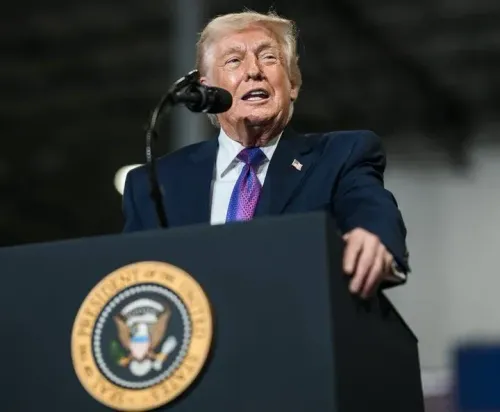
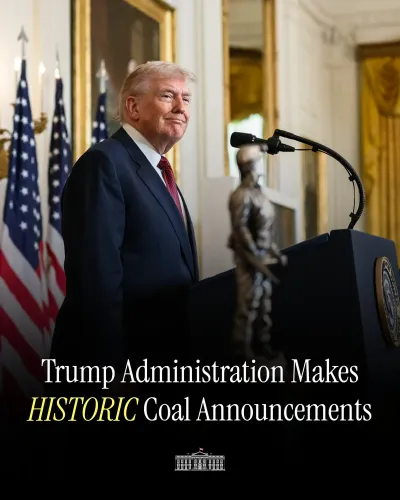
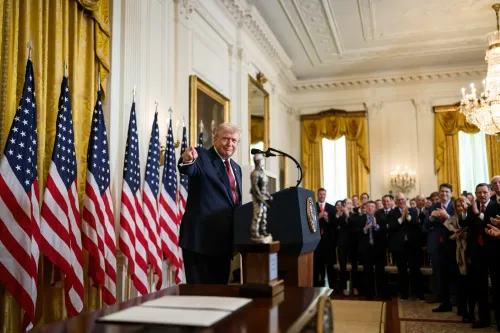
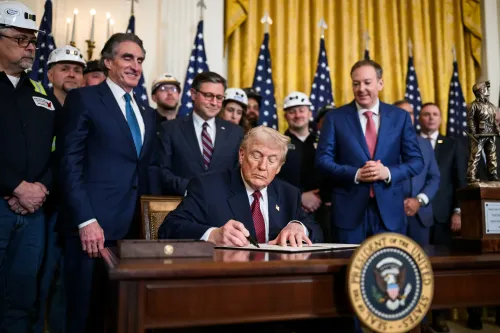
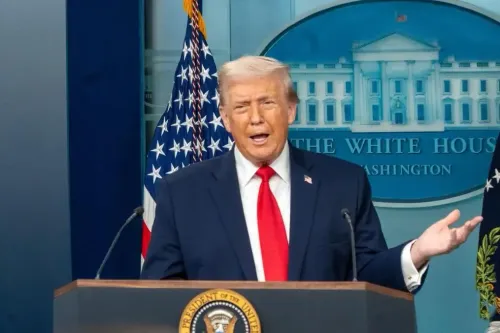
US President Donald Trump on 5 June 2025 unveiled a sweeping federal package to revive and expand America's coal industry, pledging $700 million in investment to protect existing operations, build new capacity, and slash electricity costs. Speaking at the White House, Trump framed the initiative as a defining step toward lowering energy prices and reinforcing the national power grid.
What the Package Covers
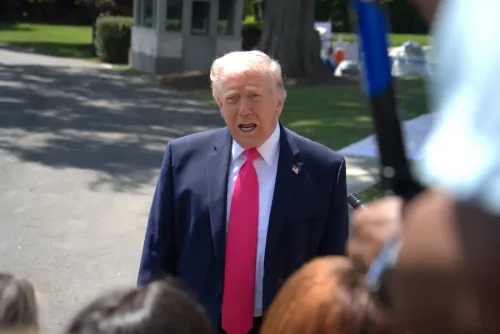
'Today, we're taking historic action to bring down the price of energy and the cost of living for all Americans with the power of clean, beautiful coal,' Trump told reporters. The $700 million federal investment is designed to protect 14 coal plants and 42 coal mines, while also funding the construction of two new coal plants and one large export terminal. According to Trump, the measures will support more than 14,000 jobs and save American consumers an estimated $50 billion in electricity costs.
Defense Production Act Invoked
In a significant use of emergency authority, Trump announced the invocation of the Defense Production Act to keep 13 coal-fired power stations operational across West Virginia, Kentucky, North Carolina, Indiana, Tennessee, Arizona, Arkansas, Oklahoma, North Dakota, and Wisconsin. The administration said the move would allow these facilities to invest in upgrades and extend their operational lives 'for decades into the future,' reinforcing grid reliability.
Export Push: West Gateway Project
Trump also highlighted an ambitious export initiative. 'Starting this summer, the West Gateway project will break ground and by summer 2028, over 12 million tons of coal per year will be shipped to countries all around the world,' he said. The terminal is positioned as a cornerstone of America's energy export strategy, targeting global demand that the administration argues remains robust.
What Cabinet Officials Said
Interior Secretary Doug Burgum said the administration had dramatically accelerated approvals for coal development, noting that the Trump administration had approved 76 permits and leases — contrasting this with what he described as 'zero coal leases held in four years under the Biden administration.' Burgum credited Trump's early declaration of an energy emergency for cutting bureaucratic delays. Energy Secretary Chris Wright called coal indispensable to modern industry, saying: 'Without clean, beautiful coal a modern world is impossible. It's been the largest source of global electricity for 125 years in a row, and will be for decades to come.'
Broader Strategic Context
Trump linked the coal push to wider priorities including manufacturing competitiveness and the energy demands of artificial intelligence infrastructure. The administration argues that reliable, affordable electricity is critical to sustaining America's economic edge in an era of rising industrial power consumption. This comes amid an ongoing policy reversal of Biden-era clean energy regulations, with the Trump White House consistently prioritising fossil fuel expansion since taking office. Critics of coal expansion, however, argue that the sector faces structural decline driven by cheaper natural gas and renewables — and that federal subsidies risk locking in stranded assets. The administration has not addressed those concerns directly in this announcement.
Point of View
000 jobs claim are unverified projections, and the administration has offered no independent methodology. More telling is the 76-versus-zero permits contrast with Biden: the Trump White House is using approval velocity as a political signal as much as an economic one. The deeper question is whether federal capital can reverse the structural economics of coal, or whether this is an expensive holding action that delays an inevitable transition while locking taxpayers into long-term liabilities.
NationPress
19 Sept 2026
Frequently Asked Questions
What is Trump's $700 million coal revival package?
It is a federal investment announced on 5 June 2025 to protect 14 existing coal plants and 42 coal mines, build two new coal plants, and construct a major export terminal. The administration says it will support over 14,000 jobs and save Americans $50 billion in electricity costs.
Why did Trump invoke the Defense Production Act for coal?
Trump used the Defense Production Act to keep 13 coal-fired power stations operational across 10 states including West Virginia, Kentucky, and Indiana. The administration said the emergency authority would allow facilities to modernise, extend their operational lives, and reinforce electricity grid reliability.
What is the West Gateway project?
The West Gateway is a new coal export terminal that is expected to break ground in summer 2025 and become operational by summer 2028. Once running, it is projected to ship over 12 million tons of coal per year to international markets.
How does this compare to coal policy under the Biden administration?
Interior Secretary Doug Burgum stated that zero coal leases were held during the four years of the Biden administration, while the Trump administration has already approved 76 permits and leases. The contrast reflects a sharp reversal in federal energy priorities.
What role does coal play in US electricity generation according to the administration?
Energy Secretary Chris Wright described coal as indispensable to modern industry, claiming it has been the largest source of global electricity for 125 consecutive years. The administration argues it remains essential for grid reliability and powering energy-intensive sectors like artificial intelligence infrastructure.