How Will Trump's Drug Price Cuts Affect Global Pharma, Including India?
Synopsis
With President Trump's announcement about drug price cuts, the global pharmaceutical industry is on alert, especially India’s generics market. This bold move could reshape pricing dynamics, affecting millions across both nations. Discover what this means for the future of affordable medications and international trade.
Key Takeaways
Trump's announcement may lead to unprecedented price cuts in prescription drugs.
India's generics market could face both opportunities and challenges.
International price benchmarking could reshape global pharmaceutical trade .
Tariffs will be a key tool in enforcing price alignment .
Consumers may benefit from lower drug prices in the US.
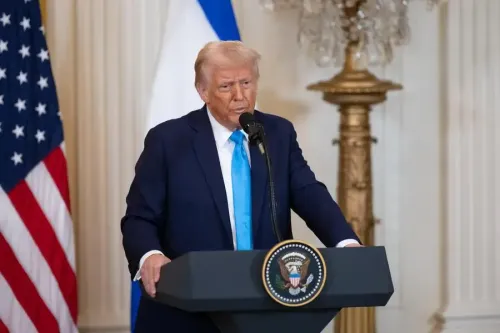
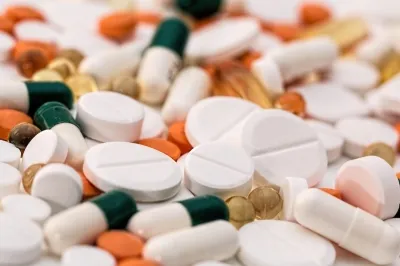
Washington, Dec 20 (NationPress) The recent announcement by US President Donald Trump regarding comprehensive reductions in prescription drug prices is anticipated to send shockwaves through the global pharmaceutical landscape, notably impacting India's generics-oriented drug export sector, as the US seeks to implement international price benchmarking.
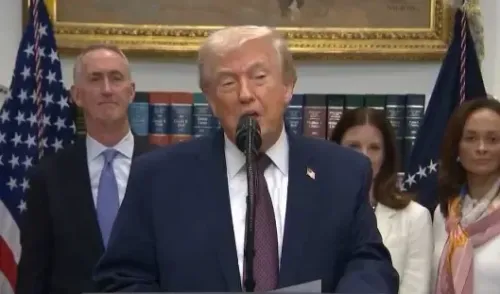
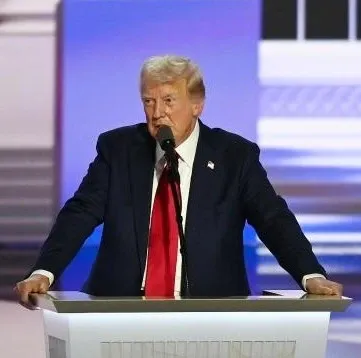
Trump stated that Americans will soon pay no more than the lowest price available worldwide. "You’re going to get most favored nations pricing," Trump remarked.
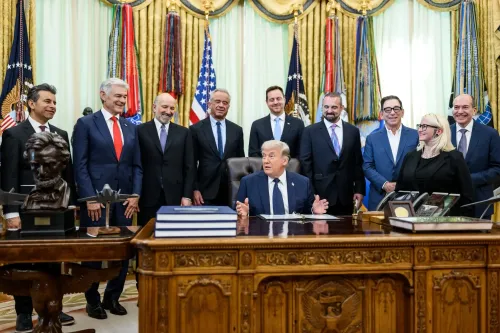
This announcement was made in the presence of various officials, including HHS Secretary Robert F. Kennedy Jr., Commerce Secretary Howard Lutnick, CMS Administrator Mehmet Oz, FDA Commissioner Marty Makary, and leaders from major pharmaceutical corporations.
"For decades, Americans have been compelled to pay the highest prices globally," Trump expressed.
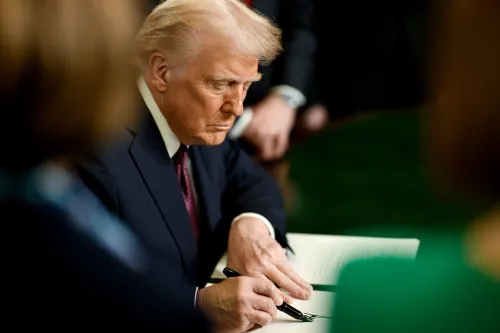
He revealed that drug manufacturers had consented to substantial price cuts on essential products. "We signed historic agreements… to reduce prices by 300, 400, 500, 600, and even 700 percent," Trump added.
Key executives in attendance included Sanofi CEO Paul Hudson, Novartis CEO Vas Narasimhan, Genentech CEO Ashley Magargee, Gilead CEO Dan O’Day, GSK CEO Emma Walmsley, Merck CEO Robert Davies, and Amgen Executive Vice President Peter Griffith.
Trump emphasized that the administration would utilize tariffs to encourage foreign governments to align their prices with the US.
"We would never be able to do this without the use of tariffs," he stated.
He concluded by saying that US drug prices would soon rank among the lowest in the developed world.
"So we will get the lowest price anywhere in the world," Trump asserted.
Additionally, Trump connected this policy to the expansion of pharmaceutical manufacturing in the US.
"They’re coming in and they’re building already," he noted.
India stands as one of the leading producers of generic medications worldwide and serves as a crucial supplier to the US market, especially for affordable treatments for chronic illnesses.
Indian drug prices are frequently among the lowest globally.
Any US initiative towards global price benchmarking is closely monitored by Indian pharmaceutical exporters, considering the significance of the US market to India's drug industry.
Point of View
I believe this new pricing policy by the Trump administration reflects a significant shift in pharmaceutical economics, potentially benefiting consumers but also raising concerns about the implications for international trade and the generics market in countries like India. This policy demands careful scrutiny.
NationPress
24 Sept 2026
Frequently Asked Questions
What are the implications of Trump's drug price cuts for India?
Trump's drug price cuts could significantly impact India's generics market, potentially leading to lower prices for American consumers but also affecting the revenue of Indian pharmaceutical companies.
How will the US enforce international price benchmarking?
The US plans to use tariffs as leverage to encourage foreign governments to align their drug prices with those in the US.
What does 'most favored nations pricing' mean?
'Most favored nations pricing' refers to a pricing strategy where Americans will pay no more than the lowest price available globally for prescription drugs.
What role do tariffs play in this new pricing strategy?
Tariffs will be used to compel foreign governments to reduce their drug prices, aligning them with US prices.
How will this policy affect drug manufacturers?
Drug manufacturers are expected to agree to significant price cuts, which could reshape their revenue structures.