Trump Plans Executive Order to Tackle College Sports Crisis
Synopsis
In an urgent response to the challenges facing American college athletics, President Trump announces plans for an executive order aimed at stabilizing the financial landscape of universities and protecting Olympic sports. With rising athlete payments and legal complexities, swift action is deemed necessary.
Key Takeaways
Trump's executive order aims to stabilize college sports finances.
Rising athlete payments pose a threat to universities' financial health.
Legal challenges around NIL and eligibility need urgent attention.
Congress is working on the Score Act to standardize athlete compensation.
Financial pressures could disproportionately affect women's and Olympic sports.
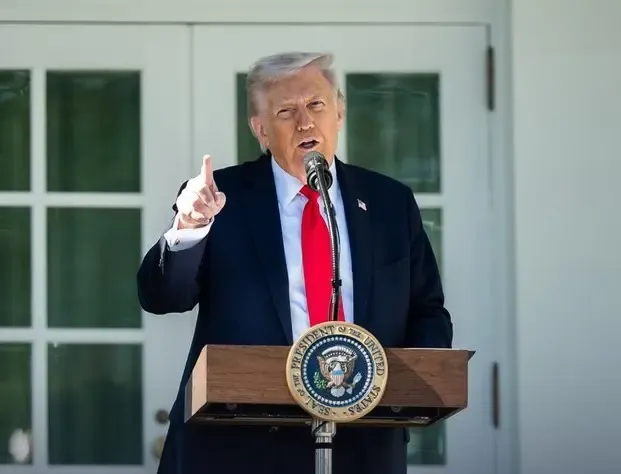
Washington, March 7 (NationPress) U.S. President Donald Trump announced plans to implement a comprehensive executive order within a week to tackle what he characterized as a crisis in U.S. college sports. He cautioned that rising payments to athletes and ongoing legal disputes could jeopardize the financial health of universities and the future of Olympic sports.
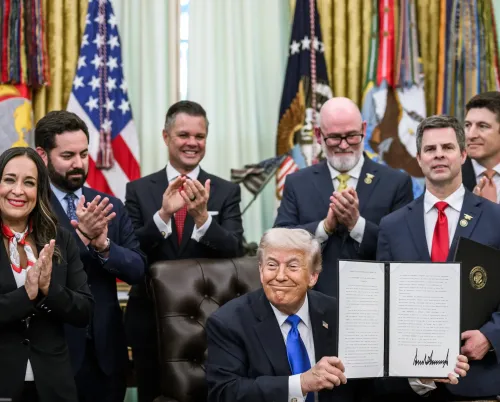
During a White House roundtable with lawmakers, sports leaders, college representatives, and coaches, Trump expressed that the current athletic system is becoming unmanageable and could lead to significant financial setbacks for universities.
"This meeting is critical... because it pertains to the future of not just college sports but also the colleges themselves," Trump stated. "The financial data we are observing and the expenses incurred by previously successful institutions are staggering."
He pointed out that schools are engaging in what he referred to as a financial arms race, fueled by athlete compensation and legal ambiguities regarding eligibility, transfers, and name-image-likeness (NIL) rules.
"Educational institutions find themselves in a financial arms race for athletes in sports like football and basketball," he remarked. "If Congress does not act swiftly, it could lead to the destruction of college sports and the colleges that participate in these sports."
Trump highlighted that soaring expenses and ongoing lawsuits have left athletic programs precarious, referencing significant losses reported by various universities.
"For instance, it was revealed that Penn State's athletic division incurred a loss of $535 million last year, while Florida State suffered a $440 million loss," Trump said. "These figures are just the tip of the iceberg regarding what may come."
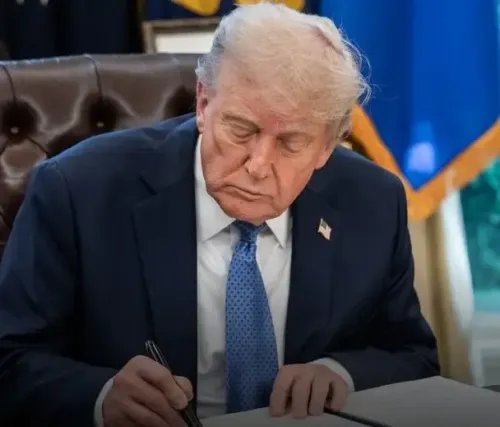
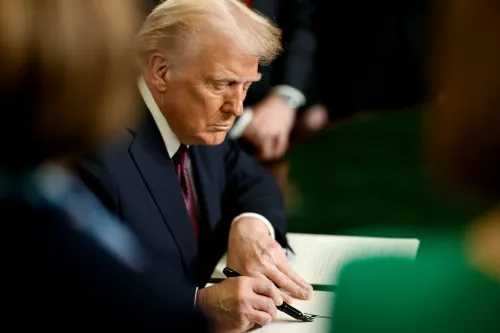
The President stated he would formulate an executive order after consulting with experts present, emphasizing that legislative measures might be delayed in Congress.
"I will have a comprehensive executive order ready within a week, and we anticipate legal challenges... we'll see how the judicial system responds," Trump added.
This initiative coincides with Congressional efforts to advance the Score Act, legislation designed to establish national standards for athlete compensation, transfers, and governance.
House Speaker Mike Johnson mentioned that lawmakers are nearing the passage of the bill in the House.
"We are on the brink of passing the bill in the House, and we believe we have secured the necessary votes," Johnson stated. "Congress must act promptly as the situation is spiraling out of control."
Proponents of reform asserted that college sports serve a vital role in the U.S., offering educational opportunities while acting as a pathway for Olympic athletes.
Secretary of State Marco Rubio emphasized the importance of college athletics, noting that thousands of students gain access to higher education through sports scholarships.
"There are literally thousands of young Americans who will graduate this year with not just degrees but also advanced degrees," Rubio remarked.
Former Alabama football coach Nick Saban cautioned that the existing system encourages athletes to prioritize immediate financial gains over education.
"Individuals are making decisions based on potential earnings rather than value creation for their future," Saban stated.
NCAA President Charlie Baker noted that the college sports landscape supports over half a million athletes and contributes billions of dollars in scholarships.
Officials also cautioned that financial strains could disproportionately impact women's and Olympic sports programs.
Sarah Hirshland, CEO of the U.S. Olympic and Paralympic Committee, asserted that the college system has historically been the foundation of Team USA's achievements.
"Our nation has embraced an education-based sports system for over a century," she stated. "This system is the envy of the world."
Participants unanimously agreed that the current framework lacks consistent national regulations, necessitating action from Congress and federal regulators to restore order.
"This chaotic mentality... is detrimental to the future of college athletics," House Majority Leader Steve Scalise warned.
College athletics have witnessed rapid transformations in recent years following U.S. court rulings that deemed restrictions on athlete compensation as violations of antitrust laws. These rulings have opened the door for athletes to monetize endorsements and sponsorships under NIL regulations.
Point of View
President Trump's proposed executive order underscores the urgent need for reform in college athletics amid rising costs and legal uncertainties. The situation calls for a balanced approach that protects both athletes' rights and the financial viability of educational institutions.
NationPress
24 Sept 2026
Frequently Asked Questions
What is the executive order about?
The executive order aims to address financial instability in college sports due to rising athlete payments and legal challenges.
Why is this order necessary?
It's necessary to prevent financial losses for universities and ensure the future of college sports and Olympic programs.
What are the main concerns raised by Trump?
Trump highlighted escalating costs and legal uncertainties threatening the financial health of college athletic programs.
How will this impact athletes?
The order could reshape athlete compensation and eligibility rules, aiming for a more sustainable model.
What role does Congress play?
Congress is working on the Score Act, which seeks to establish national standards for athlete compensation and governance.