Is Trump Keeping His Options Open on Iran Amid Intensifying US Debate?
Synopsis
As protests rage across Iran, President Trump is contemplating his options while Congress debates military intervention. With both caution and urgency in the air, will the U.S. choose a path that supports the Iranian people or escalates conflict? This article delves into the intricate political dynamics at play.
Key Takeaways
Trump is considering all options regarding Iran.
Concerns exist about military action undermining protests.
The Iranian regime is responding with violence.
Support for internet-freedom technologies is being urged.
Trump's response may hinge on the regime's actions.
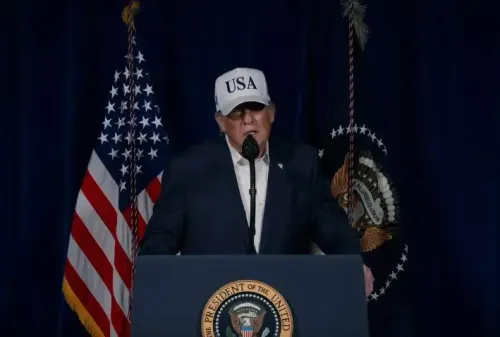
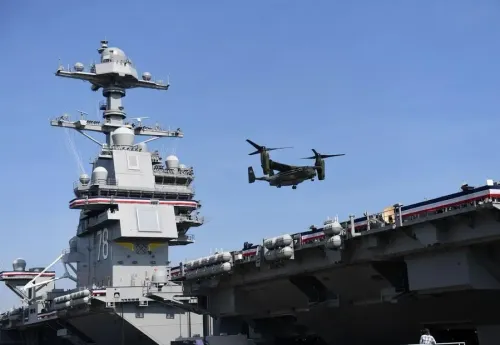
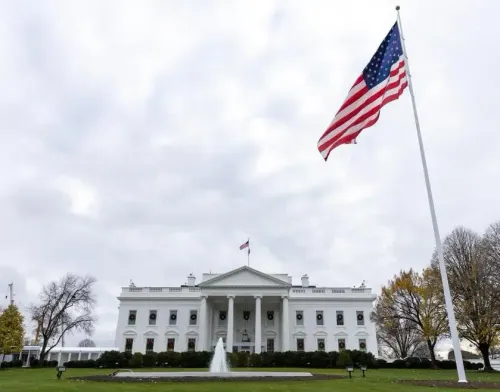
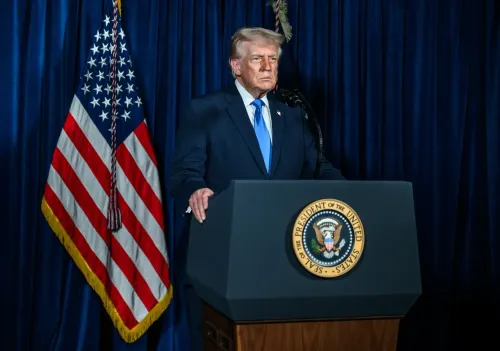
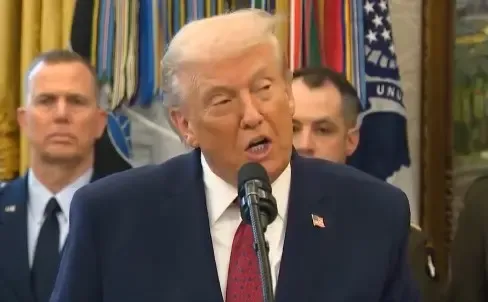
Washington, Jan 16 (NationPress) President Donald Trump is keeping “all options available” regarding Iran as the White House deliberates on how to react to the regime’s violent suppression of widespread protests. Lawmakers from both parties have urged caution against U.S. military strikes that may escalate the situation.
When asked about the proximity of potential strikes and whether Gulf states had influenced his decision, White House Press Secretary Karoline Leavitt dismissed speculative reports derived from anonymous sources.
“Only President Trump and a very limited group of advisers are aware of his intentions,” Leavitt informed reporters.
She mentioned that the president is actively monitoring the situation in Iran while keeping military options viable. Leavitt also stated that Trump had received information indicating that planned executions in Iran would cease, resulting in the lives of 800 individuals being spared.
“The president is vigilant and keeps all options available,” she added.
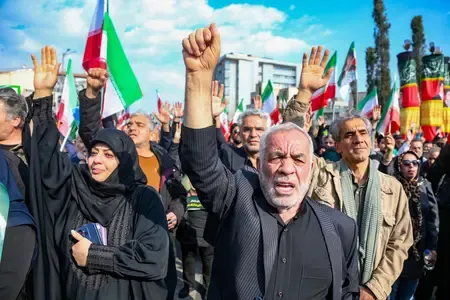
This administration's stance coincides with a growing political debate in Washington regarding the extent of U.S. involvement as protests proliferate across Iran and the regime retaliates with lethal force, mass arrests, and communication blackouts.
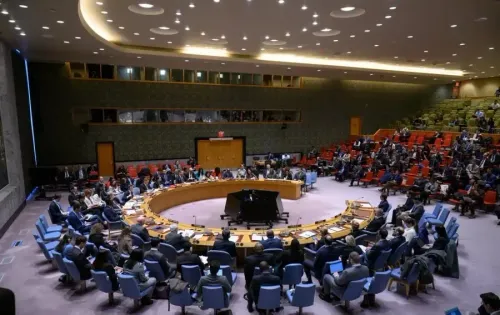
House Foreign Affairs Committee Ranking Member Gregory W. Meeks cautioned that U.S. military actions might undermine the protest movement rather than support it.
“I stand in solidarity with the Iranian people,” Meeks expressed. He warned that military action “risks silencing an organic movement, reinforcing the regime’s narrative, and causing civilian casualties.”
Meeks asserted that “lasting change in Iran will stem from the bravery of the Iranian populace seeking dignity and freedoms, not from U.S. military strikes,” urging the administration to fully consult Congress before any actions.
He raised concerns about potential Iranian retaliation, the safety of U.S. troops and diplomats in the vicinity, and coordination with allies, especially Israel, warning of the risk of a broader regional conflict.
In contrast, Senate Majority Whip John Barrasso voiced strong backing for Trump’s pressure campaign, viewing the protests as a pivotal moment for the regime.
“I rise today to stand with the courageous people of Iran,” Barrasso declared on the Senate floor, noting that protests had extended to “185 cities in all 31 provinces of Iran.”
He accused the Iranian leadership of deploying the Islamic Revolutionary Guard Corps against civilians, stating “credible reports suggest that thousands – potentially tens of thousands – have lost their lives.”
Barrasso commended Trump’s efforts, asserting, “I applaud President Trump’s leadership on Iran. His strategy has brought Iran to this breaking point.” He highlighted the U.S. withdrawal from the nuclear agreement, the reinstatement of sanctions, and the “Maximum Pressure” campaign as elements that have weakened the regime.
“A weaker Iran translates to a safer America,” he emphasized, advocating for stricter enforcement against Iran’s “Ghost Fleet” of oil-smuggling vessels and warning that “every dollar we deny the Iranian government is one less bullet they can fire at their own people.”
Apart from the military force debate, lawmakers are urging the administration to address Iran’s communication blackout, which has isolated protesters from global awareness.
In a bipartisan letter spearheaded by Representatives Dave Min and Claudia Tenney, lawmakers implored Trump to instruct the executive branch to enhance support for internet-freedom technologies, such as virtual private networks and emerging tools capable of circumventing government-imposed shutdowns.
Additionally, Representative Randy Weber led a letter to Secretary of State Marco Rubio, urging the State Department to continue publicly denouncing the regime’s violent repression, including reported attacks on hospitals and medical facilities, which lawmakers argue could amount to severe violations of international law.
The White House confirmed that Trump recently communicated with Israeli Prime Minister Benjamin Netanyahu, although specifics of that conversation remain undisclosed. Leavitt acknowledged the interaction but refrained from providing details regarding the timing or content discussed.
Publicly, Trump has indicated that his response may depend on the regime's actions. After previously stating that “help is on its way,” he later welcomed reports about Iran halting executions, posting “Good news” and adding, “Hopefully, this trend continues!”
Point of View
The U.S. must navigate a delicate balance between supporting the Iranian populace's right to protest and avoiding actions that may exacerbate the crisis. As tensions rise, a thoughtful, strategic approach is essential for ensuring both U.S. national interests and the welfare of the Iranian people.
NationPress
29 Sept 2026
Frequently Asked Questions
What options is President Trump considering regarding Iran?
President Trump has stated that he is keeping all options available as the U.S. evaluates its response to the violent crackdown on protests in Iran.
What concerns do lawmakers have about military action in Iran?
Lawmakers have expressed concerns that military intervention could undermine the protest movement and result in civilian casualties.
How has the Iranian regime responded to the protests?
The Iranian regime has responded with lethal force, mass arrests, and communication blackouts to suppress the protests.
What has President Trump said about the situation in Iran?
President Trump has indicated that his response may depend on the Iranian regime's actions, recently welcoming reports of a halt to executions in Iran.
What actions are lawmakers urging regarding technology support for Iranian protesters?
Lawmakers are calling for the expansion of support for internet-freedom technologies to help Iranian protesters bypass state-imposed communication restrictions.