Tulsi Gabbard resigns as US Intelligence chief, cites husband's cancer diagnosis
Synopsis
Tulsi Gabbard's exit from the top of the US intelligence community is not a political resignation — it is a personal one. Her husband Abraham's rare bone cancer diagnosis has pulled her away from one of Washington's most demanding posts, leaving Aaron Lukas as Acting DNI and raising questions about who will permanently lead the ODNI at a critical moment for US national security.
Key Takeaways
Tulsi Gabbard resigned as US Director of National Intelligence on 23 May , effective 30 June .
Her husband Abraham has been diagnosed with an extremely rare form of bone cancer .
Gabbard cited her inability 'in good conscience' to continue in a demanding role while her husband faces the illness.
Aaron Lukas , Principal Deputy Director of National Intelligence, will serve as Acting DNI .
President Donald Trump praised Gabbard's tenure and confirmed Lukas's appointment on Truth Social .
Gabbard committed to a smooth transition through 30 June to avoid disruptions to the President's team.
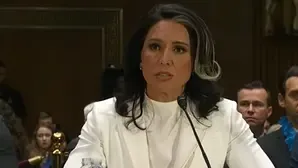
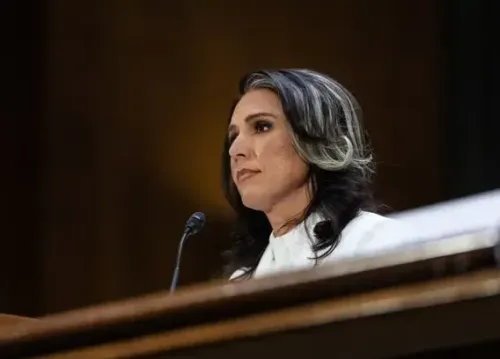
Tulsi Gabbard, the US Director of National Intelligence, resigned from her post on Friday, 23 May, citing the recent diagnosis of her husband Abraham with an extremely rare form of bone cancer. Her resignation, submitted in a letter addressed to President Donald Trump, is effective from 30 June.
What Gabbard Said
In her resignation letter, Gabbard expressed gratitude for the trust placed in her by the President and acknowledged the work still ahead at the Office of the Director of National Intelligence (ODNI). 'I am deeply grateful for the trust President Trump placed in me and for the opportunity to lead Office of the Director of National Intelligence (ODNI) for the last year-and-a-half,' she wrote.
Gabbard cited her husband's condition as the decisive factor. 'I cannot in good conscience ask him to face this fight alone while I continue in this demanding time-consuming position,' she stated. She noted that Abraham had supported her through demanding assignments including a deployment to East Africa on a Joint Special Operations mission, political campaigns, and her tenure as Intelligence chief.
Progress at ODNI and the Transition
Gabbard acknowledged that while significant progress had been made at the ODNI in advancing what she described as 'unprecedented transparency and restoring integrity to the intelligence community,' important work remains. She said she is fully committed to ensuring a smooth and thorough transition over the coming weeks to avoid disruptions for the President and his team in leadership or momentum.
Trump's Response and Acting Successor
President Trump responded on his social media platform Truth Social, calling Gabbard's tenure 'incredible' and confirming her successor in an acting capacity. 'Tulsi has done an incredible job, and we will miss her. Her highly respected Principal Deputy Director of National Intelligence, Aaron Lukas, will serve as Acting Director of National Intelligence,' Trump wrote.
Trump also addressed Abraham's illness directly, saying: 'Her wonderful husband, Abraham, has been recently diagnosed with a rare form of bone cancer, and she, rightfully, wants to be with him, bringing him back to good health as they currently fight a tough battle together. I have no doubt he will soon be better than ever.'
What Happens Next
With Gabbard's departure effective 30 June, Aaron Lukas, the Principal Deputy Director of National Intelligence, will assume the acting role. The ODNI transition comes at a period of ongoing scrutiny of US intelligence structures, and the appointment of a permanent successor will be watched closely by lawmakers and national security observers.
Point of View
Which largely insulates the White House from political fallout. Yet the timing matters: the ODNI is in the middle of structural reforms that Gabbard herself described as unfinished. Aaron Lukas inherits an institution in transition, and without a confirmed permanent director, the intelligence community's reform agenda could stall. The bigger question mainstream coverage is underplaying is who Trump will nominate permanently — and whether that pick will face the same Senate scrutiny Gabbard did.
NationPress
6 Oct 2026
Frequently Asked Questions
Why did Tulsi Gabbard resign as US Director of National Intelligence?
Tulsi Gabbard resigned because her husband Abraham was recently diagnosed with an extremely rare form of bone cancer. She stated she could not in good conscience continue in a demanding, time-consuming role while he faces major health challenges.
When does Tulsi Gabbard's resignation take effect?
Gabbard's resignation is effective from 30 June. She stated her commitment to ensuring a smooth and thorough transition in the weeks leading up to that date.
Who will replace Tulsi Gabbard as Director of National Intelligence?
Aaron Lukas, the Principal Deputy Director of National Intelligence, will serve as Acting Director of National Intelligence following Gabbard's departure. A permanent successor has not yet been named.
How did President Trump react to Gabbard's resignation?
President Trump responded on Truth Social, calling Gabbard's work 'incredible' and confirming Aaron Lukas as Acting DNI. He also expressed support for Abraham's recovery, saying he had 'no doubt he will soon be better than ever.'
What did Gabbard say about her tenure at the ODNI?
Gabbard said significant progress had been made in advancing 'unprecedented transparency and restoring integrity to the intelligence community,' but acknowledged that important work remains. She pledged a thorough transition to avoid disruptions.