Trump's DNI nominee Jay Clayton vows leaner ODNI, stronger oversight
Synopsis
Trump's pick to lead the US intelligence community wants to shrink the very office he's been nominated to run. Jay Clayton told the Senate Intelligence Committee the ODNI should step back from operations and refocus on coordination — a direct rebuke of two decades of institutional sprawl that even the committee's own chairman has called 'bloated.'
Key Takeaways
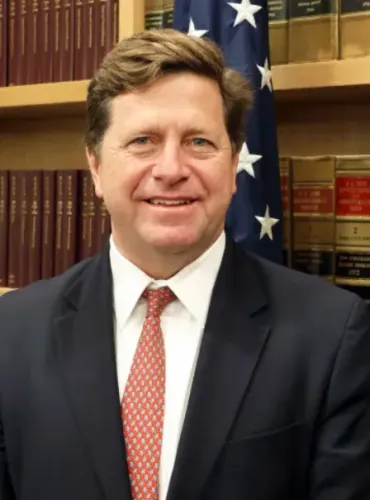
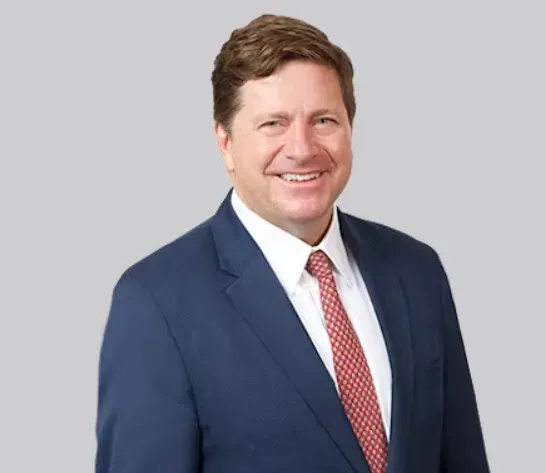
Jay Clayton , President Trump 's nominee for Director of National Intelligence , testified before the Senate Select Committee on Intelligence on Wednesday .
Clayton pledged to deliver ‘timely, objective and independent’ intelligence and to refocus the ODNI on oversight and coordination, not operations.
Committee Chairman Senator Tom Cotton called the ODNI ‘yet another bloated agency’ and said he expects Clayton to continue downsizing efforts started under Tulsi Gabbard .
Clayton defended the office’s existence, saying, ‘If we didn’t have this role, we’d have to invent it,’ but acknowledged it should pull back from operational roles.
The ODNI was created in 2004 following the 9/11 Commission 's recommendations and now oversees 18 intelligence agencies.
The Senate Intelligence Committee is expected to vote on Clayton’s nomination next week .
Jay Clayton, US President Donald Trump's nominee for Director of National Intelligence, pledged before the Senate Select Committee on Intelligence on Wednesday to streamline the Office of the Director of National Intelligence (ODNI), refocusing it on coordination and oversight rather than operational expansion. Clayton's confirmation hearing in Washington signalled a clear philosophical direction: a leaner spy office that serves policymakers without duplicating the work of the agencies it oversees.
Clayton's Core Commitments
In his opening statement, Clayton said the intelligence community must deliver “timely, objective and independent” intelligence to those it serves. “The mission of the Director of National Intelligence is clear: to ensure that the policymakers and institutions that the intelligence community serves, especially the president, our military leaders and Congress, receive the best possible intelligence in a timely, objective and independent manner,” he said.
Clayton added that, if confirmed, he would pursue an “open door and walk the halls policy” and engage regularly with both the Senate and House intelligence committees. He outlined three guiding principles: commitment to the mission, clear strategic objectives, and measurable performance metrics.
The Case for a Leaner ODNI
Committee Chairman Senator Tom Cotton, a long-standing critic of the ODNI's growth, said he expected Clayton to continue the downsizing efforts begun under outgoing Director Tulsi Gabbard. Cotton argued that the office, created two decades ago, had evolved into “yet another bloated agency that incentivises bureaucratic make-work as opposed to genuine intelligence work,” rather than the “lean and efficient organisation” Congress originally intended.
Clayton stopped short of endorsing calls from some Republicans to abolish the office entirely. He drew on his experience leading the Securities and Exchange Commission (SEC) and serving as US Attorney for the Southern District of New York, arguing that large organisations perform best when they have clear missions and effective oversight.
Defending the ODNI's Existence
Questioned by Senator Susan Collins — one of the architects of the legislation that established the ODNI following the September 11, 2001 attacks — Clayton defended the office's fundamental purpose. “If we didn't have this role, we'd have to invent it, because there needs to be a focal point for coordination across the other 17 intelligence agencies,” he said. “There needs to be a place of oversight, a place to resolve conflict.”
At the same time, Clayton was candid about the risks of mission creep. “To the extent that the ODNI has gotten into operations or started to play the roles of some of those other agencies, it probably should pull back,” he said, “because it's difficult to be both operations and oversight.”
Background: Why the ODNI Was Created
The ODNI was established in 2004 on the recommendation of the 9/11 Commission, which found that intelligence failures before the September 11 attacks stemmed partly from poor information-sharing among US agencies. The Director of National Intelligence serves as the principal intelligence adviser to the president and oversees coordination across 18 intelligence organisations. Clayton, if confirmed, would succeed Tulsi Gabbard as the nation's top intelligence official.
What Happens Next
The Senate Intelligence Committee is expected to vote on Clayton's nomination next week. His confirmation would mark a significant transition in how the US intelligence apparatus is managed — with the emphasis shifting toward accountability, coordination, and restoring public trust rather than institutional expansion.
Point of View
Not accidental — and a nominee’s pledge at a confirmation hearing has rarely been enough to reverse it.
NationPress
15 Oct 2026
Frequently Asked Questions
Who is Jay Clayton and why is he in the news?
Jay Clayton is US President Donald Trump’s nominee for Director of National Intelligence. He appeared before the Senate Select Committee on Intelligence on Wednesday, where he pledged to streamline the ODNI and refocus it on coordination and oversight rather than operations. He previously served as chairman of the Securities and Exchange Commission and as US Attorney for the Southern District of New York.
What changes is Jay Clayton proposing for the ODNI?
Clayton has said the ODNI should pull back from operational roles and concentrate on coordinating the 18 agencies that make up the US intelligence community. He outlined three guiding principles: commitment to mission, clear strategic objectives, and measurable performance metrics, and promised frequent engagement with congressional intelligence committees.
What is the ODNI and why was it created?
The Office of the Director of National Intelligence was established in 2004 on the recommendation of the 9/11 Commission, which found that poor information-sharing among agencies contributed to intelligence failures before the September 11, 2001 attacks. The Director of National Intelligence serves as the president’s principal intelligence adviser and oversees coordination across 18 intelligence organisations.
When will the Senate vote on Jay Clayton’s nomination?
The Senate Intelligence Committee is expected to vote on Clayton’s nomination next week. If confirmed, he would succeed Tulsi Gabbard as the nation’s top intelligence official.
Why do some Republicans want to abolish the ODNI?
Critics, including Committee Chairman Senator Tom Cotton, argue that the ODNI has grown far beyond its original mandate, becoming ‘yet another bloated agency that incentivises bureaucratic make-work.’ Some Republicans have called for abolishing the office entirely, though Clayton did not endorse that position, saying a coordination focal point across the intelligence community remains essential.