UK Grants US Access to Bases for Operations Against Hormuz Threats

Synopsis
The UK has permitted the US to use its military bases for operations targeting missile sites threatening vessels in the Strait of Hormuz. This strategic move comes amid rising tensions with Iran, highlighting the complexities of international military cooperation.
Key Takeaways
The UK has authorized US operations from its bases targeting missile threats in the Strait of Hormuz.
Cooperation with allies aims to ensure maritime security amidst rising tensions with Iran.
Iran has issued warnings against UK involvement in US-led operations.
Recent missile threats from Iran indicate a potential escalation in regional conflict.
UK Prime Minister emphasizes the need for a diplomatic resolution.
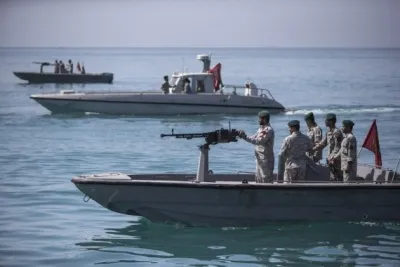
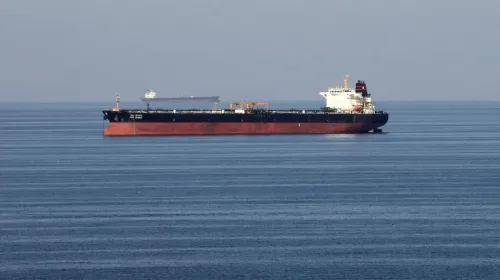
London, March 21 (NationPress) The United Kingdom has consented to permit the United States to utilize British military bases for operations aimed at degrading missile installations and capabilities that have been utilized to assault vessels in the Strait of Hormuz, as stated by Downing Street.
The UK is collaborating with global partners to formulate a practical strategy to protect international shipping in the Strait of Hormuz, the statement released on Friday (local time) indicated.
Despite this decision, the statement emphasized the UK's commitment to avoid becoming entangled in a broader conflict.
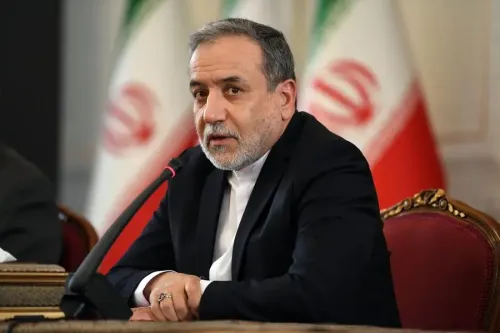
Iranian Foreign Minister Seyed Abbas Araghchi cautioned his British counterpart on Friday against extending any support to US and Israeli aggression towards Iran, warning that such backing would escalate tensions, according to reports from Xinhua news agency.
Later, Araghchi expressed on X, "The vast majority of the British populace opposes involvement in the Israel-US conflict against Iran."
"By disregarding public sentiment, Mr. Starmer jeopardizes British lives by permitting UK bases to be used for aggression against Iran. Iran will assert its right to self-defense," he stated.
Nonetheless, the UK government has countered this narrative. During the same discussion, Cooper warned Iran against targeting UK bases, territory or interests, highlighting the potential for heightened escalation.
Tensions have surged following Iran's launch of two ballistic missiles towards Diego Garcia, a critical joint US-UK base located in the Indian Ocean. Neither missile reached its intended target—one reportedly failed mid-flight, and the other was intercepted by a US naval defense system, though it remains uncertain if it was successfully neutralized.
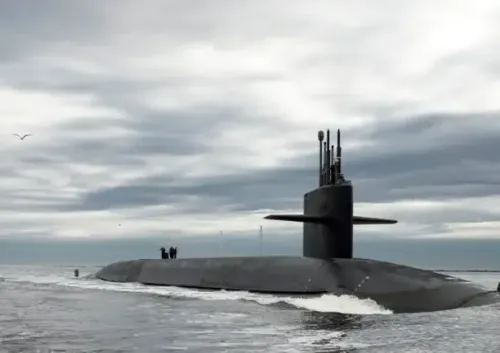
This attempted strike has raised alarms regarding Iran's missile capabilities since Diego Garcia is situated approximately 4,000 kilometers from Iranian soil, suggesting a possibly greater strike range than previously estimated. This base is vital for regional security, accommodating US bombers, nuclear submarines, and guided-missile destroyers.
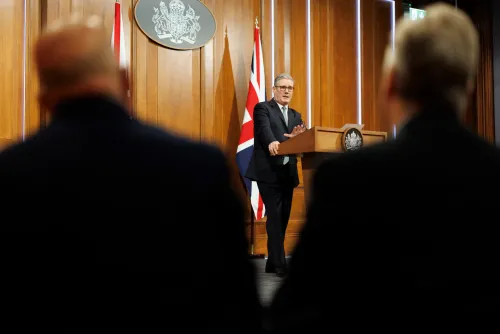
Meanwhile, UK Prime Minister Keir Starmer has asserted that Britain does not aim for a wider military role in the Middle East conflict. Earlier this week, he stated that the UK would refrain from being drawn into a larger war, even while considering options to assist allies, including possible naval deployments to secure shipping routes in the strategically critical Strait of Hormuz.
Starmer recognized the complex nature of the situation, noting that decisions regarding military involvement are difficult, especially under pressure from the United States. He underscored that while the UK is devoted to safeguarding its interests and allies, it continues to seek a diplomatic resolution to restore stability in the region.
On February 28, Israel and the United States executed joint strikes on Tehran and various other Iranian cities, resulting in the deaths of Iran's Supreme Leader Ali Khamenei, along with senior military officials and civilians.
In retaliation, Iran launched waves of missile and drone attacks targeting Israel and US military installations and assets throughout the Middle East.
Point of View
It is vital to recognize the intricate balance of international relations at play. The UK’s decision reflects a commitment to safeguarding maritime security while navigating the delicate dynamics with Iran. It’s essential to monitor the ramifications of this cooperation on regional stability and the potential for escalation.
NationPress
23 Sept 2026
Frequently Asked Questions
What operations will the US conduct from UK bases?
The US will conduct operations aimed at degrading missile sites and capabilities that threaten shipping in the Strait of Hormuz.
What is the UK’s stance on military involvement in the Middle East?
The UK government has stated it does not seek to become entangled in a broader conflict while evaluating options to support allies.
What concerns have been raised regarding Iran's missile capabilities?
Iran's recent missile strike attempt on Diego Garcia has raised concerns about its missile range, suggesting capabilities beyond previous assessments.
How has Iran reacted to the UK's support for the US?
Iranian officials have warned that UK support for US actions could lead to increased tensions and conflict.
What was the outcome of the US-Israel joint attacks on Iran?
The joint attacks resulted in the death of Iran's Supreme Leader and other key figures, prompting Iran to retaliate with missile strikes.