US Commits to Protect Hormuz Amid Rising Tensions with Iran
Synopsis
As tensions with Iran rise, the U.S. commits to securing the Strait of Hormuz, ensuring the free flow of global energy supplies. U.S. Secretary of War Pete Hegseth emphasizes military readiness and strategic objectives to counter Iranian threats.
Key Takeaways
U.S. commitment to secure the Strait of Hormuz.
Military readiness to counter Iranian threats.
Collaboration with allies to manage economic impacts .
Focus on diminishing Iran's military capabilities.
Strategic approach without prolonged occupation.
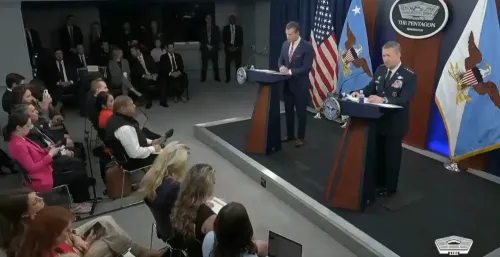
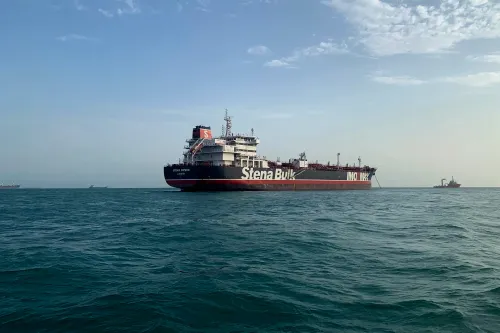
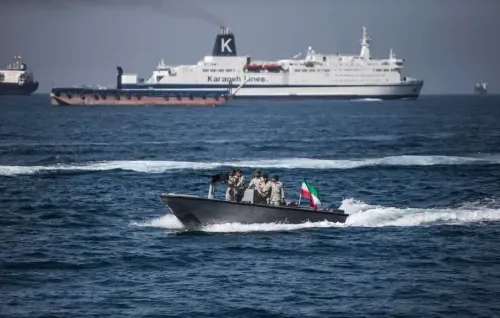
Washington, March 9 (NationPress) The United States has pledged to secure the Strait of Hormuz and uphold the uninterrupted flow of global energy resources amidst escalating tensions with Iran, cautioning that Tehran is underestimating American military determination.
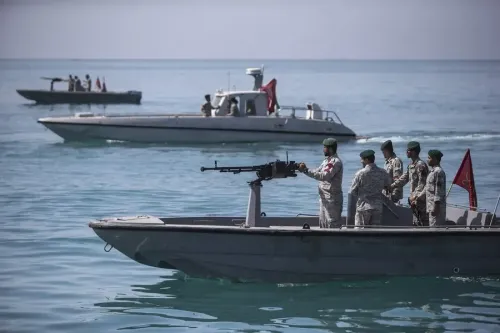
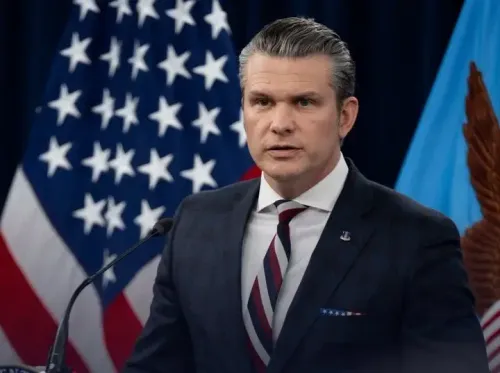
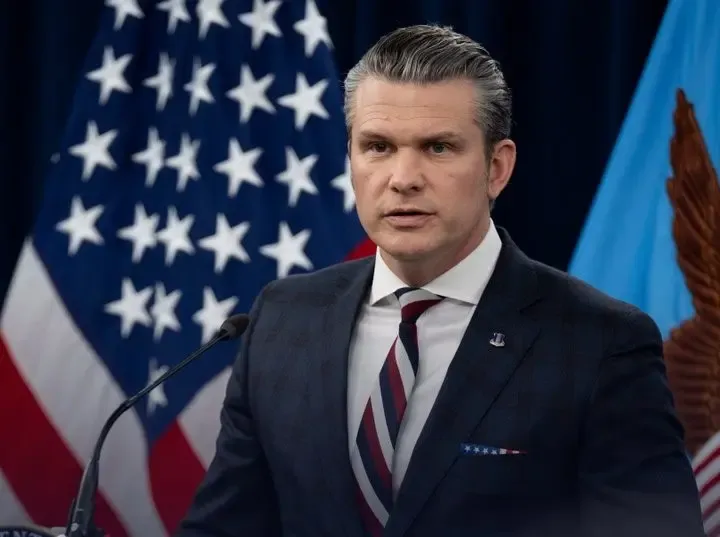
In a conversation with CBS's 60 Minutes, U.S. Secretary of War Pete Hegseth indicated that American forces are actively diminishing Iran's naval capabilities and stand ready to undertake additional measures to protect vital shipping lanes.
“The Iranian Navy has significantly lost its strength,” Hegseth remarked, emphasizing that U.S. forces will persist in targeting vessels and assets that jeopardize maritime safety.
Hegseth noted that the military operations from Washington are aimed at preventing disruptions in the region.
“We’re handling much of that… with American firepower,” he stated when asked about ensuring security for commercial shipping through the strait and restoring confidence for vessels operating in the vicinity.
The Secretary mentioned that the administration believes it can navigate the economic repercussions while continuing military operations.
“Achieving this is a crucial goal,” he said, referring to the broader campaign objectives, while adding that U.S. officials are collaborating with allies and energy authorities to cushion any shock to global markets.
These remarks come at a time of escalating tensions in the area, with concerns that the conflict may lead to significant disruptions to energy supplies.
Beyond maritime concerns, Hegseth positioned the campaign against Iran as a strategic initiative to diminish Tehran’s capacity to threaten U.S. forces, regional allies, and worldwide commerce.
“It signifies that we are committed to winning. We dictate the terms,” he asserted when asked about President Donald Trump's declaration that Iran would face unconditional surrender.
According to Hegseth, the aim is to reach a stage where Iran can no longer sustain military operations.
“We’ll recognize when they’re incapable of fighting. There will come a time when they have no alternative but to concede,” he predicted.
He also highlighted that the current phase of the campaign only marks the beginning of U.S. military actions.
“We have just initiated our efforts, just begun to escalate,” Hegseth remarked, suggesting that further military pressure could ensue.
Simultaneously, the interview underscored the increasing geopolitical intricacies surrounding the conflict, including reports that Russia might be sharing intelligence with Iran concerning U.S. military movements.
When questioned about these reports, Hegseth stated that American commanders are closely observing the developments and incorporating them into operational strategies.
“We possess the finest intelligence globally. We are aware of who is communicating with whom, and the reasons behind those discussions,” he claimed.
The U.S. official dismissed suggestions that such cooperation would pose a substantial risk to American forces.
“No one is endangering us. We are the ones putting the other side at risk. That’s our mission,” he asserted.
Hegseth also refrained from specifying the parameters of U.S. military action, emphasizing that Washington aims to keep its options flexible as the situation evolves.
“You don’t reveal your limits to the enemy, the media, or anyone regarding your operational scope,” he stated.
“We are prepared to go as far as necessary to succeed.”
He acknowledged that casualties might arise during the campaign but reaffirmed the United States' commitment to its objectives.
“There will be casualties,” Hegseth said, noting that American service members who lose their lives will be honored for their duty and sacrifice.
The Secretary sought to differentiate the current strategy from previous U.S. engagements in the Middle East, asserting that Washington does not intend to reshape Iranian society or engage in a prolonged occupation.
“This is not about remaking Iranian society from an American standpoint,” he said, contrasting it with previous long-term U.S. involvements in Iraq and Afghanistan.
Point of View
It's crucial to understand the U.S. stance on securing the Strait of Hormuz. This approach reflects a commitment to national and global security, emphasizing military readiness while balancing economic impacts. The situation requires careful monitoring as geopolitical dynamics continue to evolve.
NationPress
7 Oct 2026
Frequently Asked Questions
What is the significance of the Strait of Hormuz?
The Strait of Hormuz is a vital maritime corridor through which a significant portion of the world's oil supply passes, making its security crucial for global energy markets.
How is the U.S. responding to Iranian threats?
The U.S. is actively degrading Iran's naval capabilities and is prepared to take further military action to ensure the security of vital shipping routes.
What are the potential economic impacts of the conflict?
The U.S. administration believes it can manage economic repercussions while continuing military operations, collaborating with allies to mitigate shocks to global markets.
What does the U.S. strategy entail?
The U.S. strategy focuses on weakening Iran's ability to threaten U.S. forces and global commerce without engaging in prolonged military occupations.
Are there risks involved in the U.S. military operations?
While casualties may occur during the campaign, the U.S. remains committed to its objectives and aims to protect its forces and interests.