US Takes Steps to Ensure Strait of Hormuz Remains Open Amidst Growing Tensions

Synopsis
In a recent briefing, US Defense Secretary Pete Hegseth outlined measures being implemented to keep the Strait of Hormuz operational, emphasizing international responsibility in securing this vital waterway amidst rising tensions with Iran. Discover how the US plans to maintain stability in global energy supplies.
Key Takeaways
Strait of Hormuz: A crucial international waterway for global energy.
US Actions: Steps are being taken to maintain its operational status amid military tensions.
International Responsibility: Emphasis on shared security efforts among nations.
Iran's Naval Threats: Targeting naval capabilities to limit options.
Global Implications: Any disruptions could impact oil-importing countries significantly.
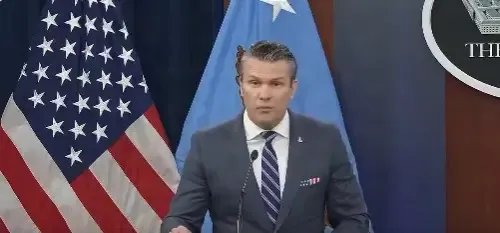
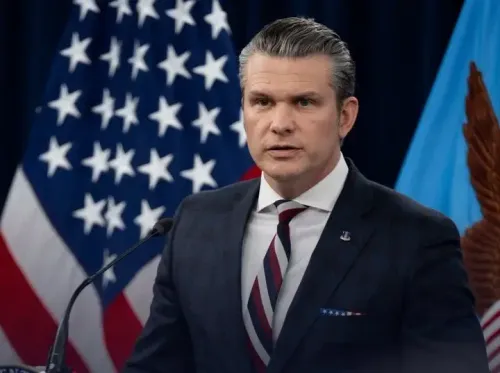
On March 31, Washington (NationPress) reported that US Defense Secretary Pete Hegseth announced that the United States has initiated measures to ensure the Strait of Hormuz remains functional, despite ongoing military operations against Iran.
"There are significantly more vessels navigating the waters now than before," Hegseth informed reporters during a Pentagon press briefing, asserting that the US has made it evident to Iran that it must "open it for business or... we have alternatives."
He emphasized that the Strait of Hormuz constitutes "an international waterway" and should not be regarded solely as a US responsibility.
"The global community needs to take note... it’s not exclusively the responsibility of the United States Navy," he remarked, urging other nations to be ready to assist in securing maritime routes.
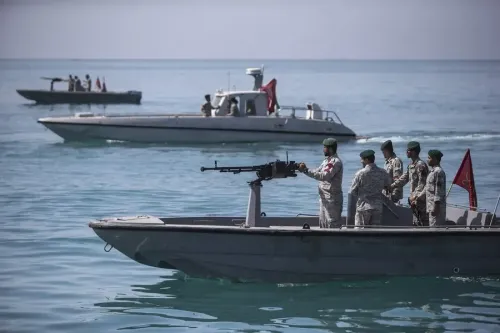
Hegseth highlighted the extensive military operations in progress, which target Iran’s naval capabilities, including mine-laying systems, coastal cruise missiles, and unmanned aerial systems.
"We have consistently focused on degrading and neutralizing those capabilities to limit their options," he stated.
US officials revealed that both visible and undisclosed strategies are being put in place to protect this crucial waterway, which is essential for global energy transportation.
"We are engaged in numerous actions... some of which are public, and others are confidential, to establish the right conditions," Hegseth noted.
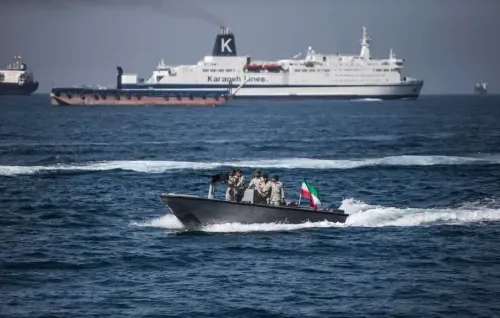
The Pentagon's push for shared responsibility reflects increasing demands for allied involvement in safeguarding international shipping routes, especially as tensions with Iran escalate risks for commercial vessels.
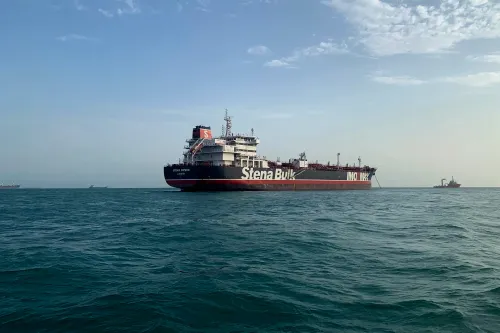
The Strait of Hormuz, connecting the Persian Gulf to global markets, is one of the most vital energy chokepoints globally. Any disruption could have immediate ramifications for oil-importing nations like India.
The US has consistently warned that any threats to the Strait would provoke a decisive response, reaffirming its pivotal role in global energy security and maritime stability.
Frequently Asked Questions
What is the significance of the Strait of Hormuz?
The Strait of Hormuz is one of the world's most critical energy chokepoints, linking the Persian Gulf to global markets. It is crucial for the transportation of oil and gas supplies.
What actions is the US taking to secure the Strait?
The US has implemented both visible and undisclosed measures to ensure the Strait remains open, including military operations targeting Iran’s naval capabilities.
Why is international cooperation important for the Strait?
International cooperation is essential because the Strait of Hormuz is an international waterway, and its security impacts global energy markets and shipping routes.
How do tensions with Iran affect maritime security?
Tensions with Iran increase risks for commercial vessels in the region, necessitating heightened security measures and collaborative efforts among nations.
What are the potential consequences of disruptions in the Strait?
Disruptions in the Strait of Hormuz could have immediate implications for oil-importing countries, affecting global energy supplies and prices.