Iran Asserts Right to Self-Defense Amid UK Involvement in Regional Conflict
Synopsis
Iran's Foreign Minister issues a bold warning to the UK, asserting Tehran's readiness to defend itself if British involvement in the conflict escalates. This comes as tensions rise with reports of U.S. forces accessing UK military bases.
Key Takeaways
Iran warns UK: Tehran will defend itself if UK involvement escalates.
U.S. access to UK bases: Reports indicate increased military collaboration.
Missile capabilities: Iran's recent missile tests raise concerns.
Diplomatic efforts: UK seeks to balance military support and diplomatic solutions.
Strait of Hormuz: A vital area for international shipping and security.
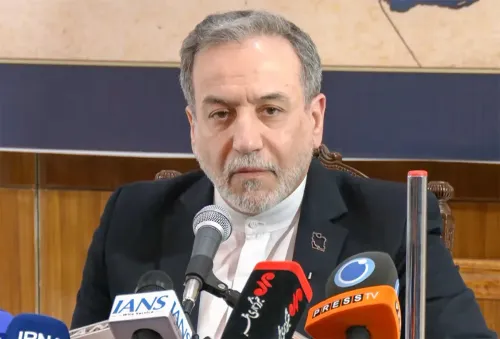
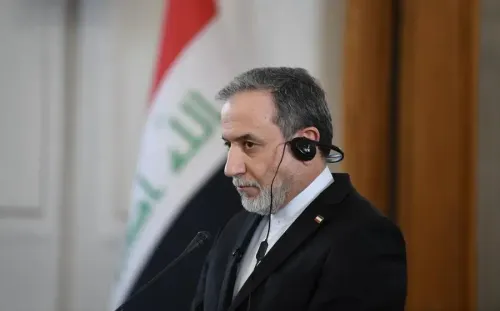
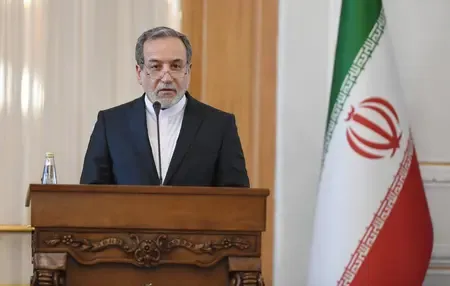
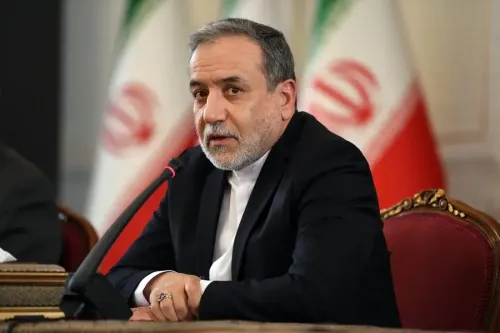
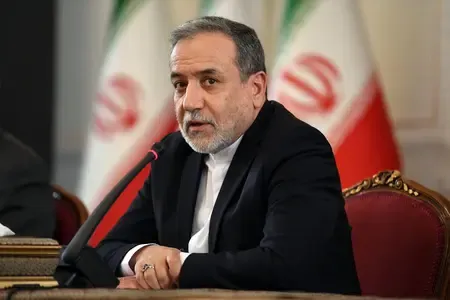
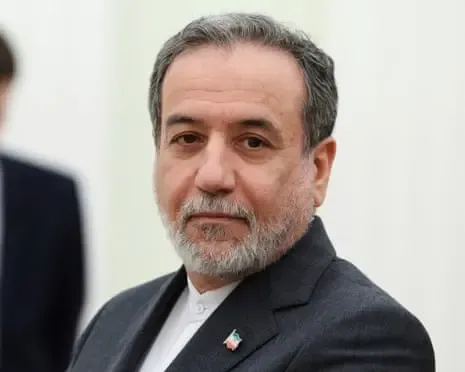
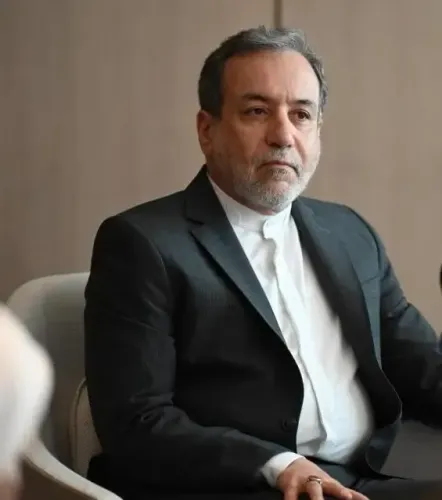
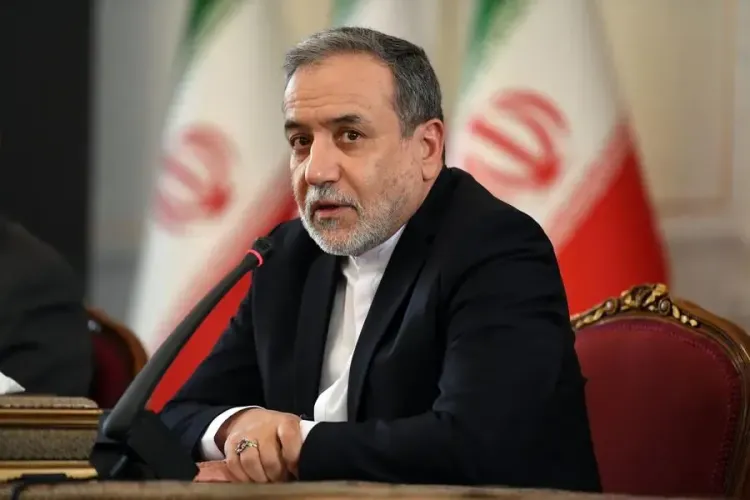
Tehran, March 21 (NationPress) Iran's Foreign Minister Seyed Abbas Araghchi has delivered a stern message to the United Kingdom on Saturday, asserting that Tehran will take action if the UK's role in the ongoing conflict intensifies. In a post on X, Araghchi stated, "The vast majority of the British public oppose any involvement in the Israel-U.S. conflict against Iran. By disregarding the sentiments of his own citizens, Mr. Starmer is jeopardizing British lives by permitting UK bases to be utilized for acts of aggression against Iran. Iran will assert its right to self-defense."
This remark comes amid heightened tensions following reports that U.S. forces have been allowed access to British military installations. During a phone call with UK Home Secretary Yvette Cooper, Araghchi expressed similar alarm, stating that such collaboration would be interpreted as "participation in aggression" against Iran.
In response, the UK government has countered. In the same dialogue, Cooper advised Iran against targeting "UK bases, territory, or interests," emphasizing the potential for further escalation.
Tensions escalated after Iran attempted to launch two ballistic missiles aimed at Diego Garcia, a strategically significant joint U.S.-UK military base located in the Indian Ocean. Neither missile reached its intended target—one reportedly malfunctioned in flight, while the other was intercepted by a U.S. naval defense system, though it remains uncertain if it was successfully destroyed.
This attempted strike has raised alarms regarding Iran's missile capabilities, given that Diego Garcia is situated approximately 4,000 kilometers from Iranian territory, suggesting a potentially extended range than previously estimated. The base is vital for regional security, hosting U.S. bombers, nuclear submarines, and guided-missile destroyers.
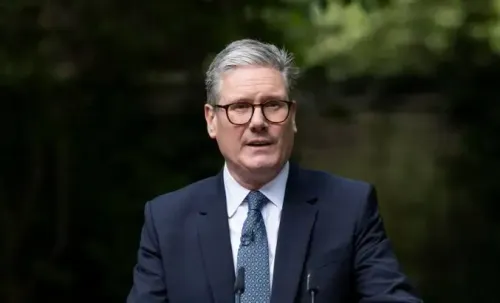
Meanwhile, UK Prime Minister Keir Starmer has reiterated that Britain does not aim for a broader military engagement in the Middle Eastern conflict. Earlier this week, he asserted that the UK would not be drawn into a larger war, even as it considers options to support allies, including possible naval deployments to protect shipping lanes in the crucial Strait of Hormuz.
Starmer recognized the complexity of the situation, indicating that decisions regarding military involvement are "challenging," especially amidst pressure from the United States. He highlighted that while the UK is dedicated to safeguarding its interests and allies, it continues to seek a diplomatic solution to restore stability in the region.
Point of View
Iran's assertive stance towards the UK's potential military involvement showcases the delicate balance of power in the region. It raises significant questions about the implications for global security and the role of major powers in conflict zones.
NationPress
20 Sept 2026
Frequently Asked Questions
What did Iran's Foreign Minister say about UK involvement?
Iran's Foreign Minister warned the UK that Tehran would respond if British involvement in the conflict escalates, emphasizing the need for self-defense.
What concerns were raised regarding Diego Garcia?
Iran launched missiles towards Diego Garcia, raising concerns about its missile capabilities and the base's strategic importance in the region.
How did the UK government respond?
The UK government, through Home Secretary Yvette Cooper, cautioned Iran against targeting UK bases and highlighted the potential for escalation.
What stance has UK Prime Minister Keir Starmer taken?
Prime Minister Keir Starmer maintained that the UK does not seek a broader military role in the Middle East and is focused on pursuing diplomatic resolutions.
What is the significance of the Strait of Hormuz?
The Strait of Hormuz is a critically important shipping route, making it a focal point for military and economic interests in the region.