UN chief Guterres urges global action on extreme heat as El Niño intensifies
Synopsis
UN Secretary-General Guterres declared the climate crisis 'in overdrive', warning that record heat domes, wildfires, and thousands of deaths this summer are only a warm-up — and that El Niño-driven extremes will intensify through October. With India's monsoon already below average and every land area on Earth projected to run hotter than normal, the window for preventive action is narrowing fast.
Key Takeaways
UN Secretary-General António Guterres issued an urgent call for global heat action on 1 August , citing new WMO El Niño forecasts.
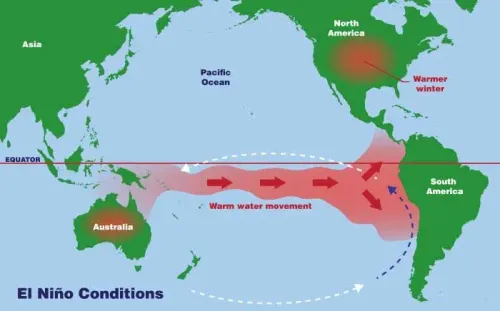
El Niño's Pacific waters are warmer than at any comparable point in the phenomenon's recorded history, with temperatures still rising.
The WMO projects above-normal temperatures across nearly every land area on Earth through October .
India's monsoon is already running well below average; hotter, drier conditions are forecast across South Asia, Africa, Europe, and the Americas.
Guterres outlined a four-point plan : protect people, make work safer, retrofit infrastructure, and stop approving new fossil fuel projects.
He warned that every new fossil fuel project approved today makes future heatwaves more dangerous and the world less secure.
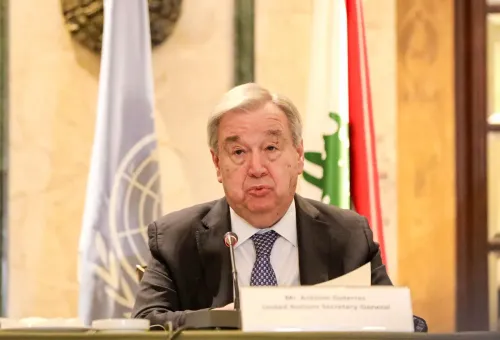
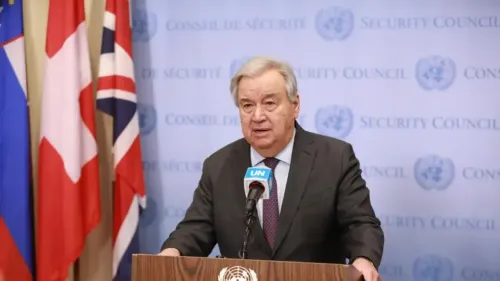
UN Secretary-General António Guterres on Friday, 1 August issued an urgent call for worldwide action to combat extreme heat, warning that the worst effects of El Niño are still ahead. Speaking at a press encounter in New York, Guterres cited a fresh update on El Niño forecasts released by the World Meteorological Organization (WMO), describing current conditions as merely a prelude to greater danger.
El Niño Is Strengthening, Warns Guterres
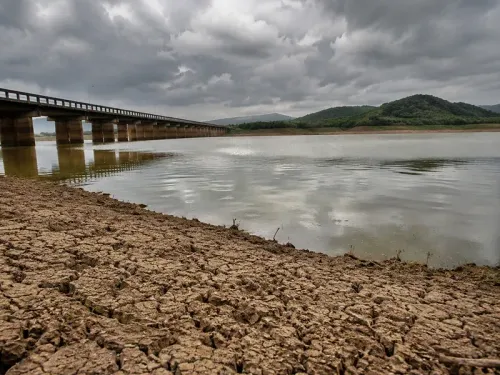
According to the WMO outlook, this summer's extremes — record-shattering heat domes, catastrophic wildfires, thousands of deaths in scorching conditions, and record-high global sea-surface temperatures — represent only the opening act of a more severe crisis. Guterres stated that Pacific waters driving El Niño have never been this warm this early in the phenomenon's cycle, and temperatures continue to climb. The WMO outlook projects that through October, nearly every land area on Earth is expected to record above-normal temperatures.
Notably, El Niño's reach extends well beyond heat. India's monsoon is already running well below average, according to Guterres, while hotter and drier conditions are forecast across Central America, the Caribbean, parts of South America, South Asia, the Southwest Pacific, Europe, and Africa.
Four-Point Action Plan
The UN chief outlined action on four fronts: protect people before heat becomes deadlier; make workplaces safer; build and retrofit infrastructure for rising temperatures; and halt the practices fuelling the climate crisis. He called for every city and country to establish heat-health action plans, early warning systems, and public health measures that reach communities in time. Guterres also stressed that access to sustainable cooling must expand urgently and equitably.
On labour protections, he urged governments and employers to set enforceable heat standards, adjust working hours, and safeguard incomes when work must stop due to dangerous temperatures. He added that protection from extreme heat must be built into the design of cities, homes, schools, and hospitals, and incorporated into every public plan and budget.
Fossil Fuels in the Crosshairs
Guterres issued a pointed warning on new fossil fuel development, arguing that every new project approved today makes tomorrow's heatwaves more dangerous and the world less secure. 'The verdict is clear: the climate crisis is in overdrive,' he said. He added: 'Today's findings show that extreme heat is not a future threat. It is here. It is becoming more dangerous. And unless we act — to protect people and tackle the root cause of the crisis — it will become deadlier still. The warm-up act is over. We cannot afford to wait for the main event.'
What This Means for India and South Asia
South Asia faces a compounded risk: El Niño is simultaneously driving above-normal temperatures and suppressing monsoon rainfall, threatening agricultural output and water security. India has experienced repeated heat emergencies in recent years, and the WMO's projection of sustained above-normal temperatures through October raises concern for public health systems already under strain. This comes amid a broader pattern of worsening climate extremes that scientists have consistently linked to rising greenhouse gas concentrations.
The international community's response to Guterres's call — and how quickly nations translate heat-action plans from policy to implementation — will determine whether lives are spared in the months ahead.
Point of View
The convergence of El Niño-suppressed monsoon and record heat is not a distant scenario — it is the reality of the 2023 summer, and it will stress-test whether state-level heat-action plans exist beyond paper.
NationPress
1 Aug 2026
Frequently Asked Questions
What did UN Secretary-General Guterres say about extreme heat and El Niño?
Guterres warned on 1 August that El Niño is strengthening and that this summer's record heat, wildfires, and deaths are only a 'warm-up act' for worse conditions ahead. He cited WMO forecasts projecting above-normal temperatures across nearly every land area through October and called for urgent global action on four fronts.
How does El Niño affect India's monsoon?
According to Guterres, India's monsoon is already running well below average due to El Niño's influence. The phenomenon suppresses rainfall across South Asia while simultaneously driving hotter and drier conditions, raising risks for agriculture, water supply, and public health.
What four actions did Guterres call for to address extreme heat?
Guterres called for protecting people before heat becomes deadlier, making workplaces safer through enforceable heat standards, building and retrofitting cities and infrastructure for rising temperatures, and stopping the approval of new fossil fuel projects that worsen the climate crisis.
Why is El Niño considered especially dangerous this year?
The WMO's update indicates that Pacific waters driving El Niño have never been this warm this early in the cycle, and temperatures are still rising. This amplifies an already warming planet, making heat extremes, wildfires, and disrupted rainfall patterns more severe than in previous El Niño events.
What does the WMO forecast say about global temperatures through October?
The WMO outlook cited by Guterres projects that through October, nearly every land area on Earth is expected to experience above-normal temperatures. This covers regions from Central America and the Caribbean to South Asia, the Southwest Pacific, Europe, and Africa.