UN chief Guterres urges action on women, peace and security at Security Council
Synopsis
Twenty-six years after Resolution 1325 promised women a seat at every peacemaking table, only 5% of negotiators in 57 peace processes last year were women. UN chief Guterres used a Security Council open debate to demand funding restoration, zero tolerance for gender-based violence, and an end to a gap he called 'unacceptable' — a pointed rebuke as donor nations quietly cut overseas development budgets.
Key Takeaways
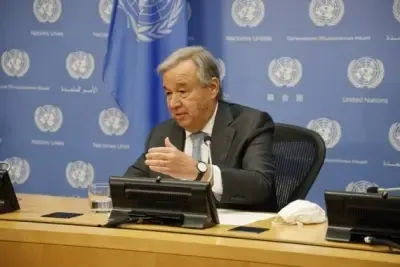
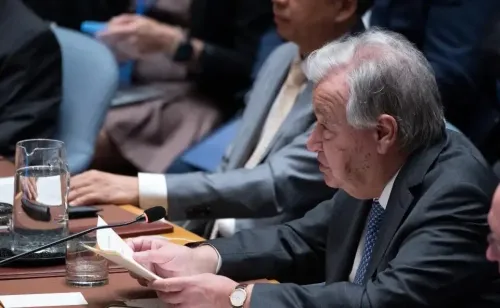
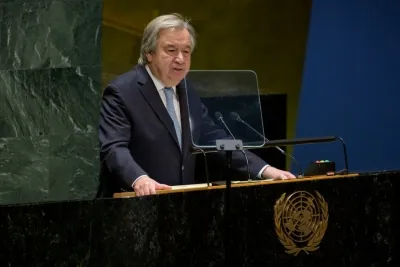
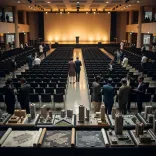
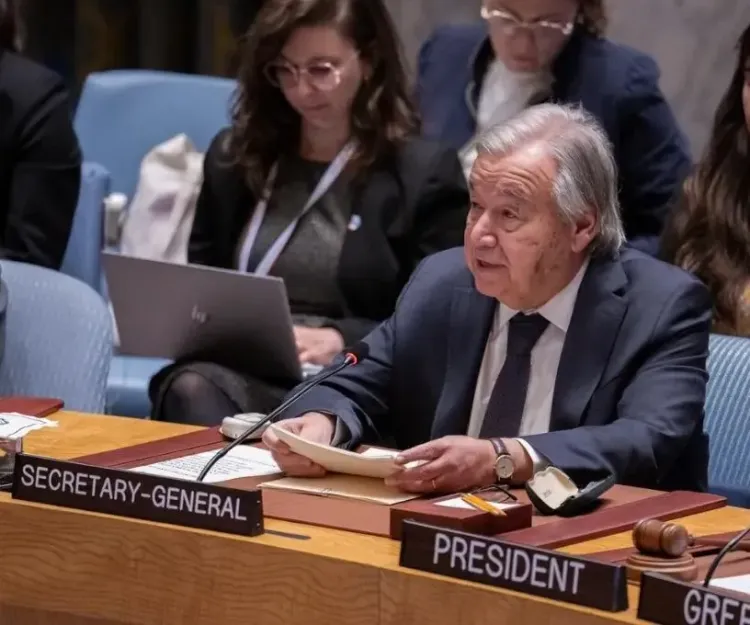
UN Secretary-General António Guterres addressed a Security Council open debate on 28 October , calling for urgent action on the women, peace and security agenda.
Women made up just 5 per cent of negotiators across 57 peace processes last year, and fewer than one-fifth of peace agreements referenced women, girls, gender, or sexual violence.
Guterres declared the implementation gap ' 26 years after Resolution 1325 ' to be 'unacceptable.' He called on all countries to restore official development assistance to women's organisations in conflict zones.
A third priority demands zero tolerance for violence against women and girls, including humanitarian workers, with full accountability for perpetrators.
He also called for lifting all restrictions on women humanitarian workers operating in conflict settings.
UN Secretary-General António Guterres on 28 October called for urgent, concrete steps to advance the women, peace and security agenda, telling a UN Security Council open debate that meaningful female participation in peace processes is essential — not ceremonial — for achieving durable stability worldwide.
Why Women's Inclusion Matters for Peace
'Peace processes are more likely to endure when women participate meaningfully in advancing them,' Guterres said, adding that societies become 'stronger and more resilient when women and girls can live free from fear and violence.' He framed women's inclusion not as an aspirational ideal but as a practical prerequisite for lasting agreements.
The Stark Implementation Gap
Guterres pointed to a sobering disconnect between commitments and reality. Women represented just 5 per cent of negotiators across 57 peace processes last year, he noted. Fewer than one-fifth of global peace agreements signed in the same period included even a single reference to women, girls, gender, or sexual violence.
'Twenty-six years after Resolution 1325, this implementation gap is unacceptable,' Guterres said, referring to the landmark Security Council resolution adopted in 2000 that first formally linked women's participation to international peace and security. 'Durable peace must reflect the leadership, aspirations and contributions of all people, including those of women and girls.'
Three Priority Areas Identified
Guterres outlined three areas requiring immediate action. First, he called for delivering on the promise of Resolution 1325 — ensuring women sit at every peacemaking table and that their needs are embedded in every peace agreement, without exception.
Second, he stressed the need to scale up funding, particularly for women's organisations in conflict-affected areas and those addressing forced displacement, where women and girls face heightened vulnerability. 'I call on all countries to live up to their official development assistance commitments, and urgently restore funding to organisations that support women and girls in conflict settings,' he said.
Third, Guterres called for zero tolerance for violence against women and girls — spanning victims of gender-based violence through to peacebuilders, community organisers, human rights defenders, and humanitarian workers on the front lines. He also renewed his call for 'the lifting of all restrictions on women humanitarian workers — and their full protection — as they carry out their lifesaving work.'
Broader Accountability Demanded
Beyond the three headline priorities, Guterres urged member states to strengthen accountability for gender-based violence, anchor women, peace and security commitments in domestic laws and policies, ensure women's economic security, and close data gaps through what he termed a 'gender data revolution.'
'Equality is not a dream. It's a decision,' he said, calling on the international community to make that decision — at the negotiating table, in national budgets, and in policies governing conflict and post-conflict settings alike.
With multiple active conflicts straining multilateral institutions and overseas development funding under pressure in several donor nations, the Secretary-General's remarks carry particular urgency as the global community marks 26 years since the adoption of Resolution 1325.
Point of View
Celebrated as a milestone for two and a half decades, has barely moved the needle on the ground. What is missing from the Secretary-General's call is a binding enforcement mechanism; without one, the speech risks becoming another aspirational statement in a long tradition of aspirational statements. The timing is not accidental: several major donor nations have quietly slashed overseas development assistance, directly defunding the women's organisations Guterres is now urging them to support. The contradiction between donor rhetoric at the Security Council and donor behaviour in national budgets is the real story here.
NationPress
28 Oct 2026
Frequently Asked Questions
What did UN Secretary-General Guterres say about women in peace processes?
Guterres told a Security Council open debate on 28 October that women's participation in peace processes is not symbolic but essential, arguing that peace is more durable when women are meaningfully involved. He cited data showing women made up only 5 per cent of negotiators in 57 peace processes last year and that fewer than one-fifth of peace agreements referenced women or gender.
What is UN Security Council Resolution 1325 and why is it significant?
Resolution 1325, adopted in 2000, was the first Security Council resolution to formally recognise the link between women's participation and international peace and security. It committed member states to including women in peace negotiations and protecting them from conflict-related violence. Guterres noted that 26 years later, the gap between that commitment and practice remains 'unacceptable.'
What three actions did Guterres demand at the Security Council?
Guterres called for three urgent steps: first, delivering on Resolution 1325 by ensuring women are present at every peacemaking table; second, scaling up funding to women's organisations in conflict-affected areas; and third, enforcing zero tolerance for violence against women and girls, including those working as peacebuilders and humanitarian workers.
Why is funding for women's organisations in conflict zones under threat?
Guterres appealed to countries to honour their official development assistance commitments and restore funding to organisations supporting women and girls in conflict settings, implying that such funding has been cut or is at risk. The appeal reflects broader concerns about declining donor budgets for international humanitarian and development programmes.
Who is affected by the women, peace and security agenda?
The agenda affects women and girls in conflict zones worldwide — including victims of gender-based violence, displaced persons, community organisers, human rights defenders, and humanitarian workers. Guterres emphasised that restrictions on women humanitarian workers cost lives and called for their full protection and freedom of movement in conflict settings.