UN chief urges US, Iran to resume talks six months into conflict
Synopsis
Six months into a war that has blocked the Strait of Hormuz and rattled global food and energy markets, the UN is still urging the US and Iran to simply talk. A June memorandum of understanding promised negotiations within 60 days — but renewed escalation has left that timeline in doubt, and António Guterres' envoy Jean Arnault is still waiting in the wings.
Key Takeaways
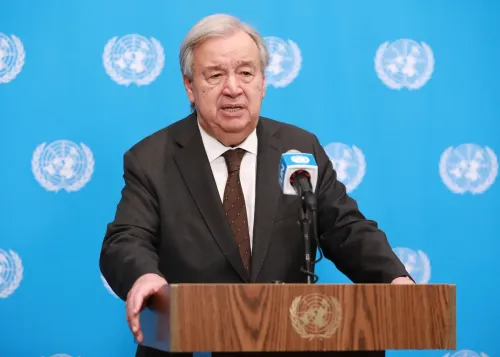
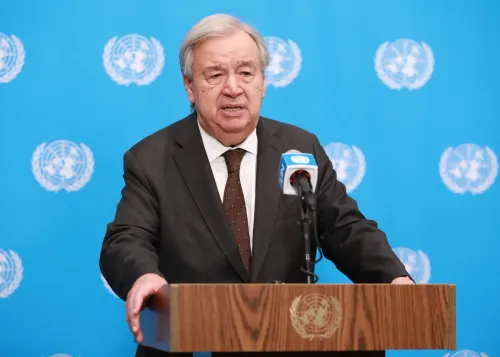
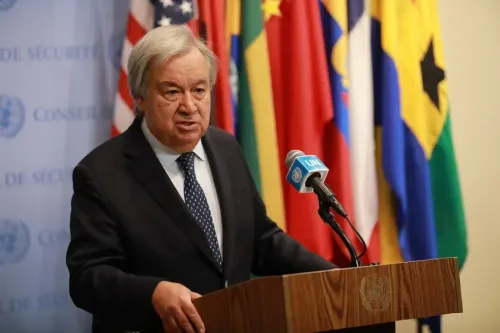
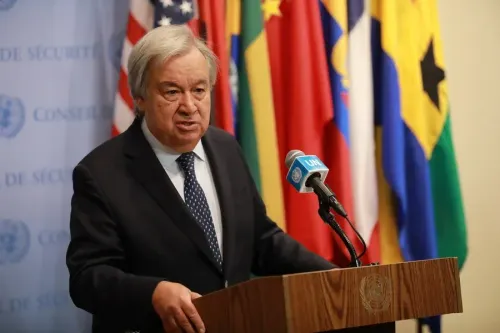
UN Secretary-General António Guterres called on the US and Iran to resume diplomatic negotiations on 29 August , six months into the conflict.
The United States and Israel launched military strikes on Iran on 28 February ; Iran retaliated against Israel and US Gulf bases.
The Strait of Hormuz was largely blocked, severely disrupting global oil and commodity flows.
A memorandum of understanding signed on 18 June required both sides to begin talks within 60 days , but the fate of those negotiations remains unclear.
The UN backs mediation efforts by Qatar , Pakistan , Egypt , Saudi Arabia , and Kuwait .
UN envoy Jean Arnault remains in contact with all parties to facilitate a durable solution.
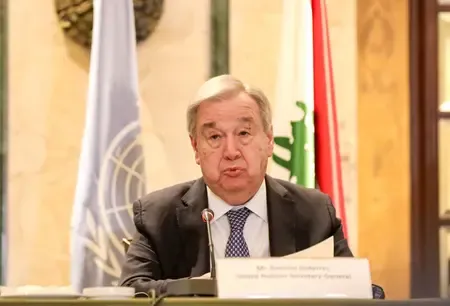
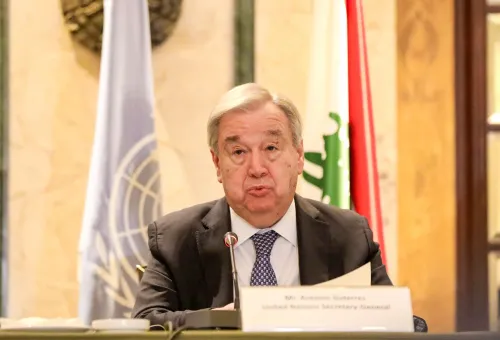
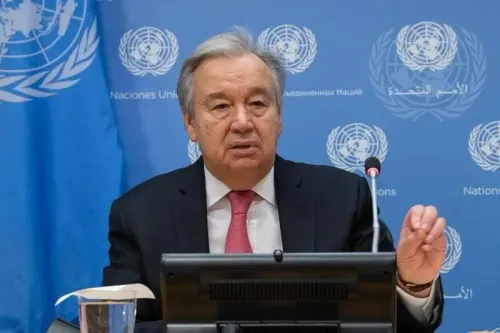
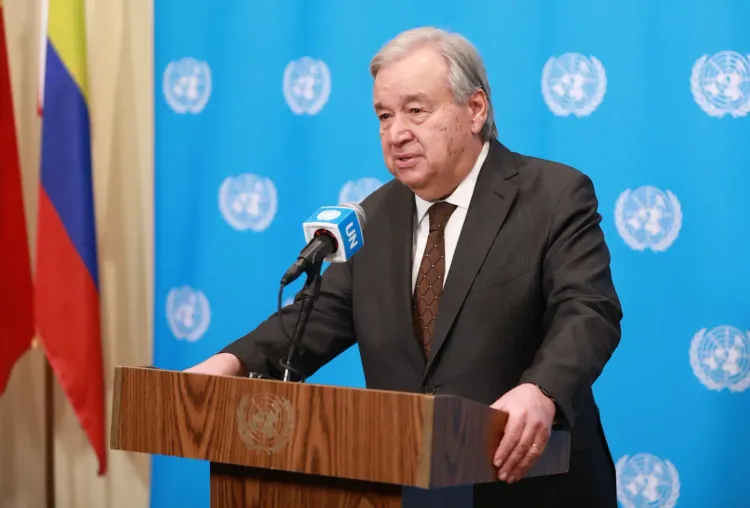
UN Secretary-General António Guterres has called on the United States and Iran to resume diplomatic negotiations, as the two countries remain locked in an ongoing conflict that has entered its sixth month with no resolution in sight. The appeal, conveyed by UN spokesman Stéphane Dujarric on 29 August, underscores growing international alarm over the humanitarian and economic fallout from the war.
The UN's Position
"This is a sad marker of six months of this ongoing conflict," Dujarric told reporters. "We again stress that the only solution to this is a diplomatic solution. And we urge both the United States and the Islamic Republic of Iran to engage in meaningful negotiations."
Guterres' personal envoy for the conflict, Jean Arnault, remains available and in active contact with all parties to help facilitate a durable settlement, the spokesman confirmed.
Regional Mediators in the Frame
The United Nations has expressed strong support for mediation efforts led by Qatar, Pakistan, Egypt, Saudi Arabia, and Kuwait. According to Dujarric, Guterres has maintained direct contact with these mediating nations as efforts to broker a ceasefire and negotiated settlement continue.
Notably, this broad coalition of mediators reflects the conflict's regional stakes — particularly for Gulf states whose energy exports and security architecture are directly implicated.
How the Conflict Began
The United States and Israel launched military strikes against Iran on 28 February. Iran responded with retaliatory attacks on Israel and US military bases in the Gulf. The escalation prompted a near-blockade of the Strait of Hormuz — a critical chokepoint through which a significant share of the world's seaborne oil passes — severely disrupting global energy and commodity flows.
On 18 June, Washington and Tehran signed a memorandum of understanding under which the two sides were to begin formal negotiations within 60 days toward a final agreement. However, renewed escalation has cast doubt on whether those talks will materialise within the agreed timeline.
Humanitarian and Economic Consequences
Dujarric described the humanitarian situation as deeply alarming, citing disruptions to food supplies, restricted movement of humanitarian goods into conflict-affected areas, limited fertiliser availability, and a sharp rise in global energy prices. "What is clear and what continues to be concerning for the secretary-general is the devastating humanitarian and economic consequences of this conflict, including the global economic impact," he said.
The Strait of Hormuz blockade has compounded supply-chain pressures worldwide, with energy markets particularly exposed. Analysts warn that a prolonged stalemate could push food insecurity to crisis levels in import-dependent nations.
What Comes Next
With the 60-day negotiation window set under the June memorandum now in question, the UN's focus appears to be on keeping diplomatic channels open through third-party mediators. Whether the US and Iran return to the table before the deadline expires remains uncertain, but international pressure — including from Gulf states with significant economic exposure — is mounting.
Point of View
Not a roadmap, and renewed escalation has exposed its fragility. The Strait of Hormuz blockade is not a regional inconvenience; it is a structural shock to global energy and food systems, and every week without talks extends that damage. The UN's call is politically costless but diplomatically necessary — the harder question is whether Washington or Tehran sees more to gain from the table than from continued pressure.
NationPress
29 Aug 2026
Frequently Asked Questions
Why is the UN calling for US-Iran negotiations?
The UN is urging negotiations because the US-Iran conflict, now six months old, has produced devastating humanitarian consequences and severe disruptions to global energy and food supplies. Secretary-General António Guterres believes a diplomatic solution is the only viable path to ending the conflict.
How did the US-Iran conflict begin?
The United States and Israel launched military strikes against Iran on 28 February. Iran retaliated with attacks on Israel and US military bases in the Gulf, triggering an escalating cycle of hostilities.
What is the June memorandum of understanding between the US and Iran?
On 18 June, the US and Iran signed a memorandum of understanding committing both sides to begin formal negotiations within 60 days toward a final agreement. However, renewed escalation has left the status of those talks uncertain.
Which countries are mediating the US-Iran conflict?
Qatar, Pakistan, Egypt, Saudi Arabia, and Kuwait are all engaged in mediation efforts that the UN has expressed support for. UN Secretary-General Guterres has maintained direct contact with all five nations.
What is the global economic impact of the US-Iran conflict?
The conflict has disrupted food supplies, restricted the flow of humanitarian goods, limited fertiliser availability, and driven up global energy prices. The near-blockade of the Strait of Hormuz — a critical chokepoint for seaborne oil — has been a central driver of these supply-chain disruptions.