UN chief seeks Strait of Hormuz return to pre-conflict status
Synopsis
The UN is pushing for a full, sustained reopening of the Strait of Hormuz — the world's most critical oil shipping lane — after a mid-June US-Iran MoU failed to hold. With Israel's continued strikes in southern Lebanon blamed for re-triggering the closure, the UN's call for a return to 'status quo ante' underscores how fragile the current situation remains for global energy supply chains.
Key Takeaways
UN Secretary-General Antonio Guterres has called for the Strait of Hormuz to return to its pre-conflict, toll-free status.
Spokesperson Stephane Dujarric made the statement at a daily briefing on 27 June , stressing the need for 'sustained reopening' based on freedom of navigation.
The US-Iran MoU signed in mid-June briefly reopened the strait, but it was reportedly closed again after Israel continued strikes in southern Lebanon .
Iran originally closed the strait following US-Israel strikes on Iran on 28 February , which also killed dozens of Iran's senior leaders.
The UN has welcomed the MoU but emphasised that all parties must honour their commitments for regional and global stability.
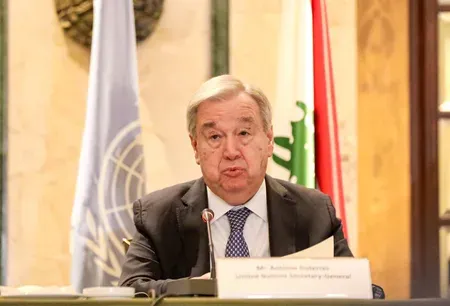
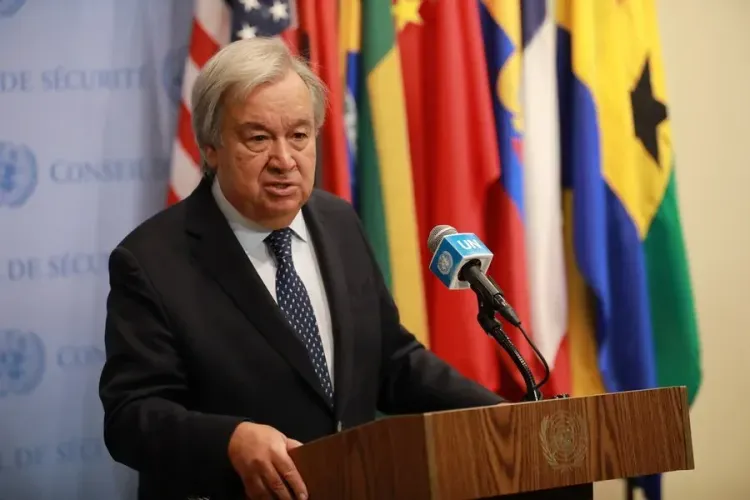
United Nations Secretary-General Antonio Guterres has expressed hope that the Strait of Hormuz can return to its pre-conflict status, with his spokesperson stating on Friday, 27 June that the world body remains committed to a sustained reopening of the critical waterway based on the principle of freedom of navigation.
What the UN Said
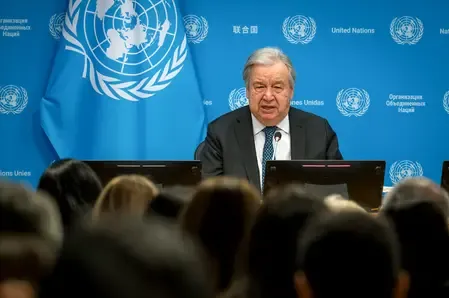
Spokesperson Stephane Dujarric, speaking at the UN's daily briefing, affirmed the Secretary-General's position clearly. 'I think we have to remain determined. The Strait of Hormuz, prior to the opening of this conflict, actually worked, right? So we know it can, and we should go back to that,' Dujarric said.
He further stressed that all parties must prioritise collective stability. 'It is important that all parties involved keep their eyes on the greater good — the greater good of regional stability, the greater good of global stability,' the spokesperson added.
The MoU and Its Breakdown
The United Nations welcomed the signing of a memorandum of understanding (MoU) between the United States and Iran in mid-June, which addressed the status of the Strait of Hormuz. Dujarric noted that it is critical all sides honour their commitments under the agreement.
However, the strait was reportedly closed again after Israel continued strikes in southern Lebanon, which the UN characterised as a violation of the MoU. The reopening that followed the agreement's signing proved short-lived.
Background: How the Crisis Began
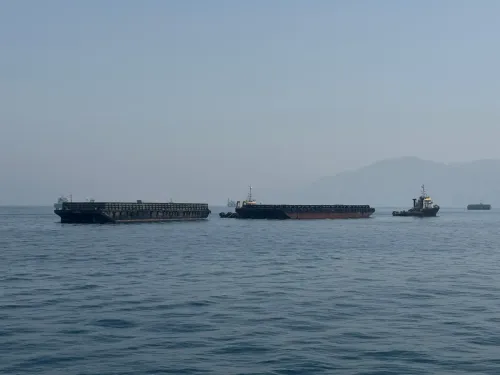
The Strait of Hormuz — the world's most strategically significant energy shipping chokepoint — had functioned without restriction before Israel and the United States launched strikes on Iran on 28 February, which also resulted in the killing of dozens of Iran's senior leaders, according to reports.
Iran closed the strait immediately following those strikes and imposed tolls on limited shipping traffic passing through. The closure sent shockwaves through global energy markets, given that roughly 20% of the world's oil supply transits the strait.
What the UN Is Calling For
The UN has been 'keen to see a sustained reopening of the Strait of Hormuz, based on the concept of freedom of navigation,' Dujarric said, signalling that a temporary or conditional reopening falls short of what the international body considers acceptable. The emphasis on 'sustained' reopening reflects concern that the strait's status remains fragile and subject to further disruption.
With the MoU's durability now in question, the path to a stable, toll-free strait appears dependent on a broader de-escalation between the parties involved — something the UN has yet to secure.
Point of View
The real risk is not a single closure but a pattern of intermittent shutdowns that erode the strait's reliability as a transit corridor. The UN's language of 'sustained reopening' signals awareness of this fragility, but the body has offered no mechanism to guarantee it.
NationPress
25 Sept 2026
Frequently Asked Questions
What is the UN's position on the Strait of Hormuz?
The UN Secretary-General Antonio Guterres hopes the Strait of Hormuz will return to its pre-conflict, unrestricted status. His spokesperson Stephane Dujarric stated on 27 June that the UN is keen to see a 'sustained reopening' based on the principle of freedom of navigation.
Why was the Strait of Hormuz closed?
Iran closed the Strait of Hormuz following US-Israel strikes on Iran on 28 February, which also resulted in the killing of dozens of Iran's senior leaders. Tolls were subsequently imposed on limited shipping traffic passing through the strait.
What is the US-Iran MoU on the Strait of Hormuz?
A memorandum of understanding between the United States and Iran was signed in mid-June, covering the status of the Strait of Hormuz. The MoU led to a temporary reopening of the strait, but it was reportedly closed again after Israel continued strikes in southern Lebanon, which the UN characterised as a violation of the agreement.
Why does the Strait of Hormuz matter globally?
The Strait of Hormuz is the world's most important energy shipping chokepoint, through which a significant share of global oil supply transits. Any sustained closure or disruption directly impacts global energy prices and supply chains.
What is the UN asking all parties to do?
The UN has called on all parties to honour their commitments under the MoU and to prioritise regional and global stability over military action. Spokesperson Dujarric emphasised that the strait functioned before the conflict and can do so again if all sides exercise restraint.