What is UN Chief Guterres' Stance on Minority Safety in Bangladesh?
Synopsis
UN Secretary-General Antonio Guterres has called attention to the escalating violence against minorities in Bangladesh. His spokesperson emphasized the need for all citizens to feel secure as tensions rise in the country. With upcoming elections, the international community is closely monitoring the situation, urging for a peaceful environment.
Key Takeaways
The UN is calling for the safety of minorities in Bangladesh.
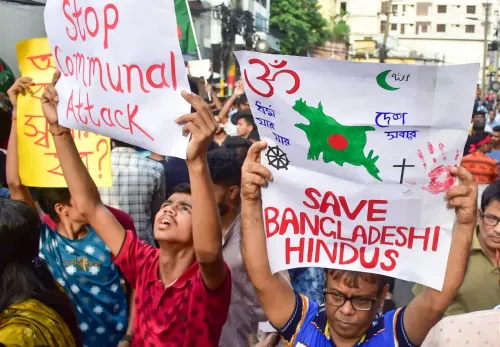
Violence against Hindus and others has escalated recently.
International leaders are urging for calm and peaceful elections.
Reports of lynching and targeted attacks are alarming.
Protecting minority rights is crucial for social harmony.
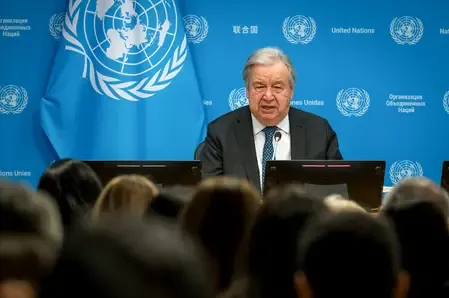
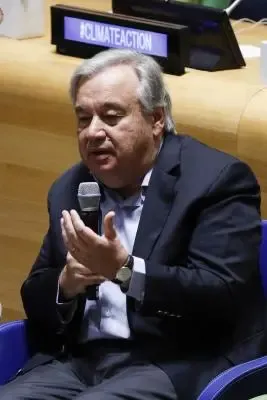
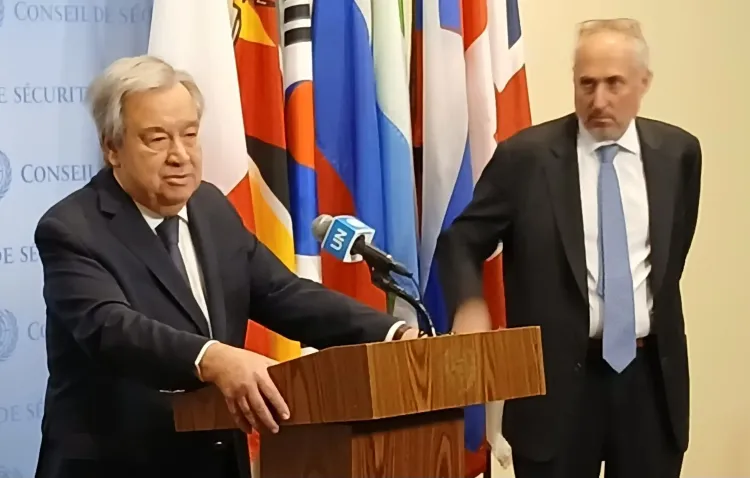
United Nations, Dec 23 (NationPress) The UN Secretary-General, Antonio Guterres, has expressed grave concern regarding the recent surge of violence in Bangladesh, emphasizing that minorities in the nation deserve to feel secure. His spokesperson, Stephane Dujarric, stated, “Every Bangladeshi should feel safe,” in response to inquiries about the attacks targeting minorities, particularly the recent lynching of Hindus.
“We are deeply troubled by the violence reported in Bangladesh,” he continued. “In every nation, individuals who are not part of the so-called majority must feel safe,” he highlighted, underscoring the plight of minorities.
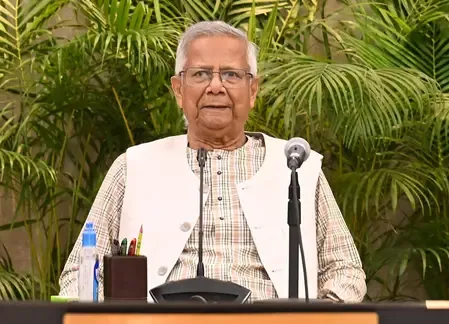
Regarding the government led by Muhammad Yunus, he expressed confidence that the authorities would do their utmost to protect every Bangladeshi citizen.
Violence has escalated recently, particularly following the death of Sharif Osman Hadi, a youth leader and spokesperson for the Inquilab Mancha, who was attacked earlier this month. This incident has intensified fears among minority communities in Bangladesh.
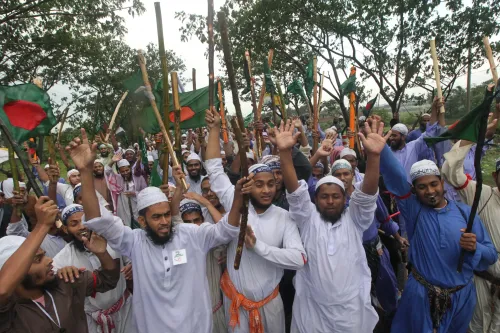
Since the ousting of Prime Minister Sheikh Hasina in August of last year, tensions have been on the rise, culminating in a violent resurgence over the past two weeks. Unaffiliated Hindus have been lynched purely due to their religion.
The latest wave of violence has garnered significant concern. Last week, UN High Commissioner for Human Rights Volker Turk urged for calm and an end to the violence, stating, “Acts of retaliation and vengeance will only exacerbate divisions and compromise the rights of all.”
With elections on the horizon in February, he emphasized the need for a climate where everyone can engage in public life safely and peacefully.
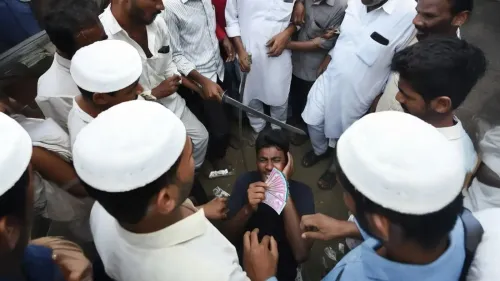
In Washington, two members of the House of Representatives voiced strong condemnation of the violence against Hindus and the media. Raja Krishnamoorthi expressed his dismay at the targeted mob killing of Dipu Chandra Das, a Hindu man in Bangladesh, describing it as an appalling act of violence amid a period of significant instability and unrest.
Suhas Subramanyam, who was also “deeply troubled” by Das’s lynching, remarked, “Following the recent change in government, reports of assaults against Hindu and other minority communities have surged, including on their homes and temples.”
Point of View
It is crucial to remain unbiased and emphasize the necessity for every citizen's safety, regardless of their background. The international community's focus on the situation in Bangladesh highlights the importance of protecting minority rights and fostering a peaceful environment, particularly ahead of the upcoming elections.
NationPress
26 Sept 2026
Frequently Asked Questions
What is the current situation for minorities in Bangladesh?
The situation for minorities in Bangladesh has deteriorated, with increased violence and lynchings reported, particularly against Hindus. UN officials are calling for a peaceful environment as elections approach.
Who expressed concerns about the violence in Bangladesh?
UN Secretary-General Antonio Guterres and his spokesperson have publicly expressed their concerns regarding the escalating violence against minorities in Bangladesh.
What actions are being called for by international leaders?
International leaders, including the UN High Commissioner for Human Rights, are urging calm and an end to violence, emphasizing the need for safety and participation in public life for all citizens.