Why Do Minorities in Bangladesh Feel Increased Insecurity Ahead of the Election?
Synopsis
As Bangladesh approaches its national election, minorities are feeling increasingly vulnerable. This report reveals the unsettling atmosphere leading up to the vote, highlighting the fears and challenges faced by various communities. What does this mean for the future of Bangladesh? Read on to discover the implications.
Key Takeaways
Bangladesh's election is scheduled for February 12, 2023.
Minorities are experiencing heightened insecurities.
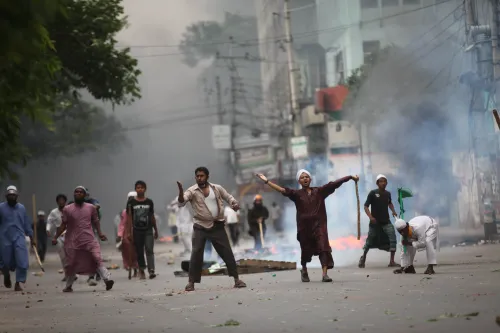
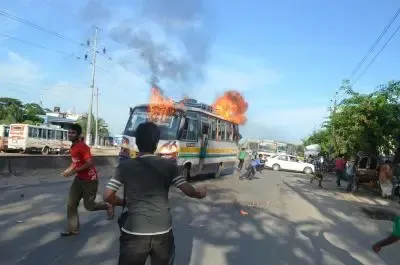
Political violence has escalated, leading to numerous attacks.
The relationship between minorities and the Muslim majority is delicate.
Concerns about a fair electoral process are prevalent.
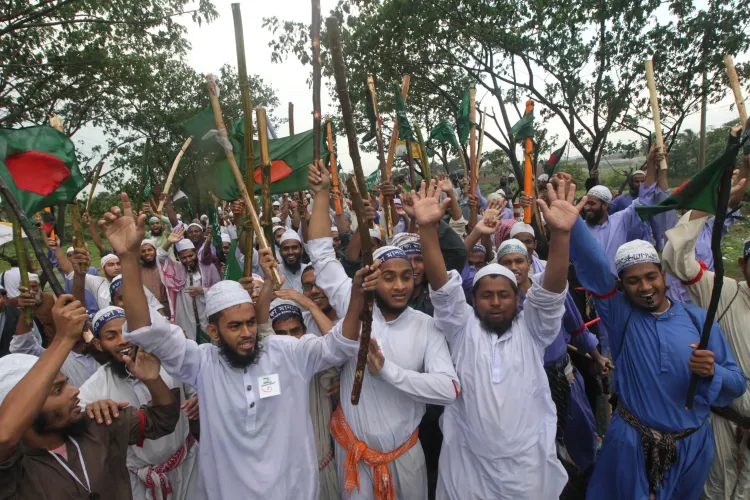
Dhaka, Feb 9 (NationPress) As Bangladesh prepares for its national election on February 12, a report reveals that minorities within this South Asian nation are experiencing heightened feelings of insecurity.
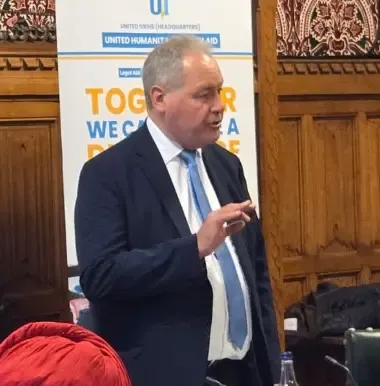
According to Bruce Allen from the Forgotten Missionaries International (FMI), the social atmosphere in Bangladesh has been marked by a sense of uncertainty. FMI partners inform Allen that under the current caretaker administration led by Nobel Peace Prize laureate Muhammad Yunus, there is a noticeable indifference towards the escalating militance in the country, leading to increased persecution, widespread anger, and rising costs of living. It's been described as chaotic.
The report indicates that citizens are anticipating the upcoming elections, but there is a prevailing sentiment of dissatisfaction with the current state of the nation. Additionally, the momentum among the Gen-Z demographic in Bangladesh appears to have fragmented. Last December, the student-led National Citizen Party formed a coalition with Jamaat-e-Islami, a party with a controversial history.
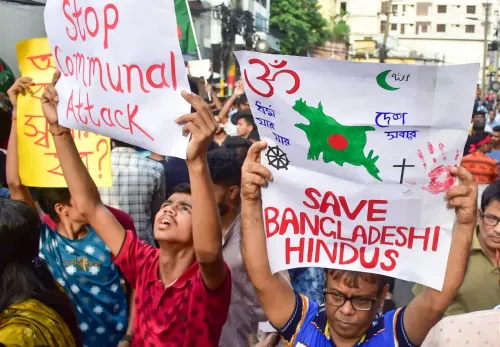
Allen emphasizes that minorities, including Christians, Hindus, and Buddhists, are feeling this insecurity acutely. He urges for prayers for wisdom and clarity amidst rising threats from radical factions, stating, 'The church planters and their communities are under significant pressure.'
In a concerning incident, Pastor 'Mintu' and his community faced opposition from previously supportive Muslim neighbors when they attempted to commence construction on a new church. For the last 18 months, their construction efforts have remained stagnant.
Allen further notes that many Christians in Bangladesh reside on government-owned land, leaving them vulnerable to eviction by their Muslim neighbors at any moment. He describes the relationship between Christians and Muslims as precarious, with the Muslim majority holding substantial influence.
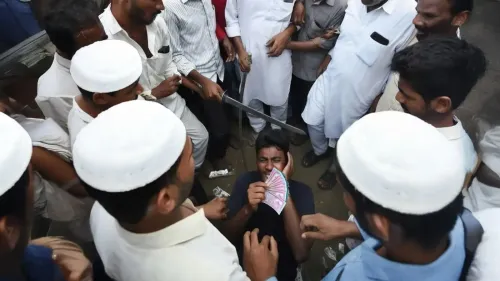
On February 2, media reports citing a study revealed that Bangladesh has experienced over 50 attacks on minority groups recently, alongside election-related violence, harassment, and the killings of political figures, activists, and potential candidates.
The study by Transparency International Bangladesh (TIB) reported that at least 15 political leaders and activists have been killed in the 36 days following the declaration of the upcoming 13th national election schedule, according to Dhaka's The Business Standard.
Activists have raised alarms about the significant number of attacks on minority communities, with the study documenting a total of 401 instances of political violence last year, resulting in 102 fatalities.
Furthermore, at least 1,333 weapons are reported missing, raising concerns about the potential for increased violence as a result of these lost arms and ongoing initiatives to issue new firearms licenses to political figures.
The TIB report also highlighted skepticism expressed by political factions such as Jamaat-e-Islami, the National Citizen Party (NCP), and Islami Andolan Bangladesh regarding the possibility of a fair electoral process.
Political groups have accused the Election Commission of bias in evaluating nominations and disqualifying candidates based on loan defaults and dual citizenship issues. Notably, the Awami League is currently barred from engaging in any political activities in Bangladesh.
The TIB findings, part of a research report titled 'One and a half years after the fall of authoritarianism: Expectations and outcomes,' released on February 2, also addressed the mounting threats posed by deepfakes and misinformation.
Point of View
I view the current situation in Bangladesh as a complex tapestry of political, social, and religious dynamics. The rising insecurity among minorities is a matter of grave concern, and it underscores the need for a fair and transparent electoral process. The nation must prioritize the safety and rights of all its citizens, fostering a climate of inclusivity and respect.
NationPress
3 Oct 2026
Frequently Asked Questions
What is the current situation for minorities in Bangladesh?
As of February 2023, minorities in Bangladesh are feeling increasingly insecure, with reports indicating over 50 attacks on minority communities and rising political violence.
What are the implications of the upcoming election for these communities?
The upcoming national election raises concerns about the safety and rights of minorities, as political tensions and violence have escalated in recent weeks.
Who are some of the minority groups affected?
The affected minority groups in Bangladesh include Christians, Hindus, and Buddhists, all of whom are experiencing heightened insecurity.
What actions have been taken to address these issues?
Activist groups and organizations like the Forgotten Missionaries International are calling for prayers and support for the affected communities amidst the rising threats.
How is the political landscape affecting these communities?
The political landscape has created a precarious environment for minorities, with accusations of bias and rising tensions impacting their safety.