UN extends Nepal, Bangladesh LDC graduation deadline to 2029
Synopsis
The UN has given Nepal and Bangladesh three more years before they must leave the Least Developed Countries list — a decision that shields both economies from losing critical trade privileges at a moment of acute vulnerability. For Nepal, where economists warned that premature graduation could cut employment in productive sectors by 35%, the extension to 2029 is less a diplomatic win and more an economic lifeline.
Key Takeaways
The UN General Assembly unanimously adopted Resolution No.
81/L.8 on 30 October 2026 , extending the LDC graduation preparatory period for Nepal and Bangladesh .
The new graduation deadline is 24 November 2029 , a roughly three-year extension from the original November 2026 date.
Nepal cited a World Bank growth projection of just 2.3% for fiscal year 2025-26 as a key reason for the deferral request.
Officials warned that early graduation could reduce employment in productive sectors by up to 35% due to loss of duty-free and quota-free trade access.
Nepal will use the extended period to implement its Smooth Transition Strategy and align with the 2030 Agenda for Sustainable Development .
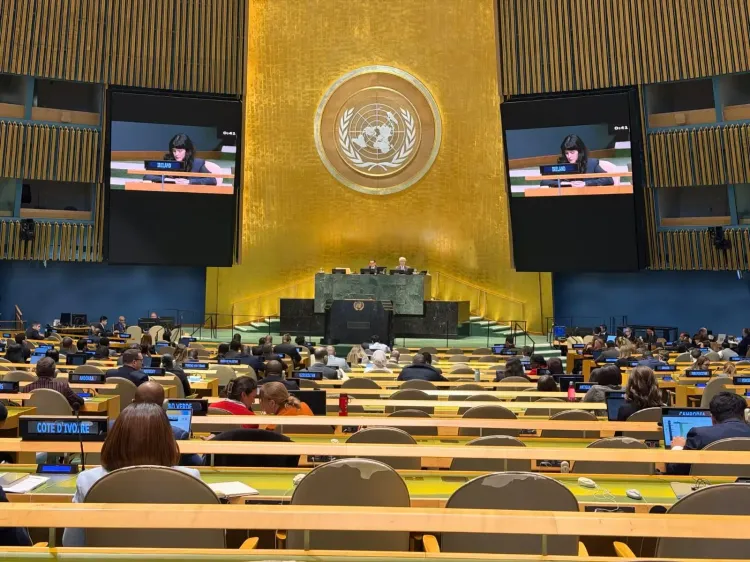
The United Nations General Assembly has unanimously adopted Resolution No. 81/L.8, extending the preparatory period for Nepal and Bangladesh's graduation from the Least Developed Countries (LDC) list until 24 November 2029. The decision, taken at the 81st session of the General Assembly at UN headquarters in New York, grants both nations additional runway to complete the structural and institutional reforms required before leaving the LDC category.
What the Resolution Decides
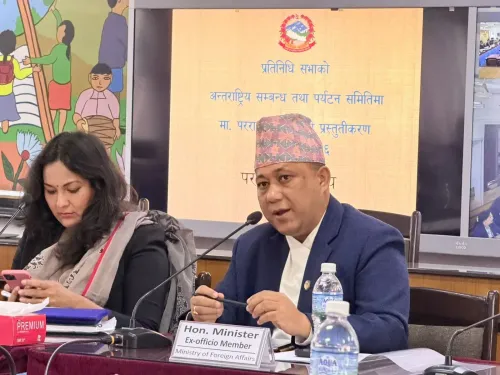
Both Nepal and Bangladesh — along with Lao PDR — had originally been scheduled to graduate from LDC status in November 2026. The newly adopted resolution postpones that transition by approximately three years. The secretariat of Nepali Foreign Minister Shishir Khanal confirmed the development in a press statement on Friday, 30 October 2026. Nepal's Permanent Mission to the United Nations in New York cited unanimous support from all UN member states in passing the resolution.
Why Nepal Sought More Time
In May 2026, Nepal formally requested the UN Committee for Development Policy (CDP) to defer its graduation by three years, citing a cluster of overlapping economic pressures. Key factors included the World Bank's projection that Nepal's economy grew by just 2.3% in the fiscal year 2025-26 — one of the slowest growth rates in recent memory — and the continuing economic aftershocks of the COVID-19 pandemic, climate-related disruptions, and the ripple effects of conflicts in West Asia on global supply chains.
Notably, Nepali officials had warned that graduating without adequate preparation could trigger the immediate loss of critical trade privileges — including duty-free and quota-free market access — potentially cutting employment in productive sectors by as much as 35%. Nepal's private sector had been lobbying the government to seek an extension well before the formal request was filed.
What Nepal Plans to Do With the Extended Period
According to the Foreign Ministry secretariat, Nepal intends to use the extended preparatory window to enhance productive capacity, strengthen government institutions, and accelerate economic and social transformation. The country will also focus on the effective implementation of its Smooth Transition Strategy, the 2030 Agenda for Sustainable Development, and the Doha Programme of Action — a framework designed to support LDCs in building resilience before and after graduation.
'The additional time is expected to help Nepal achieve its goal of graduating from the LDC category in a smooth, sustainable, and irreversible manner,' the secretariat said in its statement.
Broader Context: What LDC Graduation Means
Graduation from the LDC list is not merely a symbolic milestone — it carries real fiscal consequences. Countries that exit LDC status lose eligibility for concessional financing, preferential trade arrangements, and certain forms of official development assistance. For an economy as structurally fragile as Nepal's, where remittances account for a significant share of GDP and export diversification remains limited, the timing of graduation is critical. Bangladesh faces a comparable set of challenges, particularly in protecting its garment export sector from tariff increases that graduation would trigger.
This is not the first time LDC graduation timelines have been renegotiated at the UN — several countries have previously sought and received extensions, underscoring the complexity of the transition process. With both Nepal and Bangladesh now aligned on the 2029 target, the focus shifts to whether the intervening years will be used to build durable graduation readiness or simply defer the same vulnerabilities.
Point of View
But it also raises a harder question: will the additional three years produce structural readiness, or simply postpone the same vulnerabilities? Nepal's 2.3% growth figure and its heavy reliance on remittances suggest that the graduation challenge is not a scheduling problem but a development one. The UN framework rewards countries for reaching LDC exit thresholds, but those thresholds do not always map onto actual resilience — as the 35% employment risk figure starkly illustrates. Without a credible, monitored implementation plan for the Smooth Transition Strategy, the 2029 deadline could face the same pressure as the one just extended.
NationPress
30 Oct 2026
Frequently Asked Questions
What did the UN General Assembly decide about Nepal and Bangladesh's LDC graduation?
The UN General Assembly unanimously adopted Resolution No. 81/L.8 on 30 October 2026, extending the preparatory period for Nepal and Bangladesh's graduation from Least Developed Country status until 24 November 2029. Both nations had originally been scheduled to graduate in November 2026.
Why did Nepal request an extension of its LDC graduation deadline?
Nepal cited multiple economic pressures, including a World Bank projection of just 2.3% GDP growth in fiscal year 2025-26, the lingering impact of the COVID-19 pandemic, climate-related challenges, and disruptions to global supply chains from conflicts in West Asia. Officials also warned that premature graduation could cut employment in productive sectors by as much as 35%.
What trade benefits could Nepal lose upon graduating from LDC status?
Graduating from the LDC list typically means losing duty-free and quota-free market access in key export markets, along with eligibility for concessional financing and certain forms of official development assistance. Nepal's private sector had actively lobbied the government to seek an extension to protect these privileges.
What is the Smooth Transition Strategy that Nepal plans to implement?
Nepal's Smooth Transition Strategy is a national plan designed to prepare the country for life after LDC graduation by strengthening institutions, diversifying the economy, and building resilience. It is to be implemented alongside the 2030 Agenda for Sustainable Development and the Doha Programme of Action.
Was Lao PDR also included in the graduation extension?
Lao PDR was also originally scheduled to graduate from LDC status in November 2026 alongside Nepal and Bangladesh. The source statement indicates all three countries were part of the same graduation cohort, though the Resolution as cited specifically names Nepal and Bangladesh.