UN, Amnesty condemn 10-year sentences for Pakistani rights lawyers Imaan and Hadi

Synopsis
A UN Special Rapporteur, Amnesty International, Front Line Defenders, and Baloch rights groups have all condemned Pakistan's 10-year ATA sentences against lawyers Imaan Zainab Mazari-Hazir and Hadi Ali Chattha — handed down after a jail trial where the accused were reportedly kept in a cage-like structure. Critics argue the convictions mark a dangerous normalisation of counter-terrorism law as a tool to silence legal advocacy.
Key Takeaways
A Pakistani anti-terrorism court sentenced lawyers Imaan Zainab Mazari-Hazir and Hadi Ali Chattha to 10 years in prison each and fined them Rs 1 lakh each under the Anti-Terrorism Act, 1997 .
The charges relate to an alleged security breach during an international cricket team's visit to Pakistan in October 2024 .
UN Special Rapporteur Margaret Satterthwaite raised grave concerns over due process violations, including restrictions on the couple's access to their legal counsel.
Amnesty International called the convictions 'an indictment of Pakistan's justice system' and demanded the lawyers' immediate release.
Front Line Defenders said the verdict contradicts a Pakistan Supreme Court order for their release and contributes to a chilling effect on human rights defenders.
Multiple Baloch rights organisations have also condemned the sentencing, linking it to broader repression of Baloch and Pashtun advocacy.
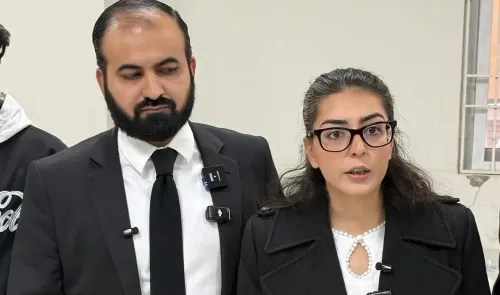
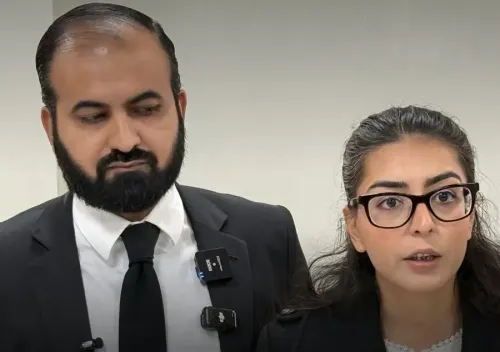
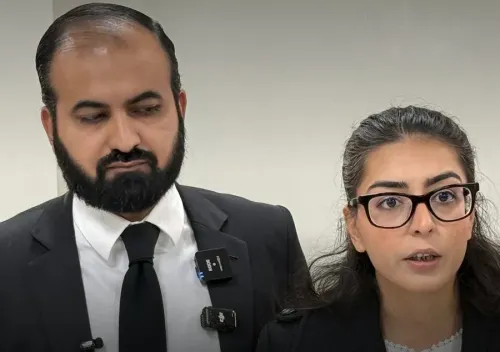
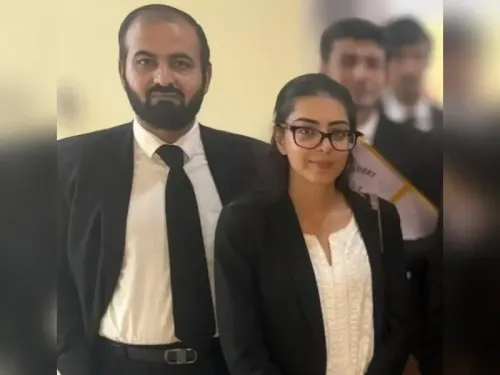
A United Nations Special Rapporteur and multiple international human rights organisations have strongly condemned the 10-year prison sentences handed down to Pakistani human rights lawyers Imaan Zainab Mazari-Hazir and her husband Hadi Ali Chattha following a jail trial linked to an alleged security breach in Islamabad. The convictions, delivered on 30 October 2026, have drawn an unusually broad chorus of international censure, with critics arguing the prosecutions represent a systemic weaponisation of counter-terrorism law against legitimate legal advocacy.
The Verdict and the Charges
A Pakistani anti-terrorism court sentenced Imaan Zainab Mazari-Hazir and Hadi Ali Chattha to 10 years in prison each and fined them Rs 1 lakh each under Pakistan's Anti-Terrorism Act (ATA), 1997. According to Pakistani media reports, the case was registered at Islamabad's Aabpara Police Station over allegations that the couple threatened national security by interfering in state affairs during an international cricket team's visit to Pakistan in October 2024.
Notably, the trial itself was conducted inside prison premises, where the accused were reportedly kept behind a cage-like structure during hearings. The couple had initially been barred from attending proceedings in person — a detail that rights groups say fundamentally undermined due process.
UN Special Rapporteur Raises Due Process Alarm
Margaret Satterthwaite, UN Special Rapporteur on the independence of judges and lawyers, expressed grave concern over the sentencing, warning that restrictions on the couple's ability to communicate effectively with their legal counsel raise serious questions about fair trial guarantees. In a post on X, she stated: 'Lawyers must be able to defend human rights and represent marginalised communities without fear of intimidation, reprisal or imprisonment for their work. The use of anti-terrorism legislation must not undermine fundamental rights or be used to criminalize legitimate human rights advocacy. I urge the Pakistani authorities to ensure full respect for their fair trial rights and access to effective judicial review, in accordance with international human rights law. The independence of the legal profession is essential to the protection of human rights and the rule of law.'
Amnesty International and Front Line Defenders Respond
Amnesty International called the convictions 'an indictment of Pakistan's justice system,' urging the authorities to immediately release Imaan and Hadi and drop all charges. Yasmine Ahmed, Senior Director for Regional Human Rights Impact at Amnesty International, said: 'This was not just Imaan and Hadi on trial; it was a test of the judiciary's ability to uphold the principles of justice and the right to a fair trial. It has failed that test miserably. It is clear that these anti-terrorism charges are being used to punish Imaan and Hadi for their human rights advocacy.'
Ireland-based rights group Front Line Defenders described the prosecution as a gross misuse of counter-terrorism law, noting that the charges stem from the alleged removal of a traffic barrier. The group added that the conviction forms part of a 'sustained pattern of successive criminal proceedings' aimed at keeping the two lawyers in detention, and warned it contributes to a 'chilling effect' on lawyers and human rights defenders across Pakistan. Front Line Defenders also noted the conviction appears to disregard a Pakistan Supreme Court order for their release.
Baloch Rights Groups and Community Voices
Tara Chand, President of the Baloch American Congress, described the verdict as 'shocking' and raised questions about Pakistan's treatment of human rights defenders. In a post on X, he wrote: 'Defending the oppressed is not terrorism! Speaking for the Baloch people is not a crime! When those who fight for justice face imprisonment, who will protect the innocent? You can imprison human rights defenders, but you cannot imprison the truth!'
The Baloch Voice for Justice (BVJ) also criticised the sentencing, stating that prosecuting lawyers who represent victims of enforced disappearances and express solidarity with Baloch and Pashtun activists under terrorism charges raises serious questions about the 'freedom, impartiality, and provision of justice in Pakistan's judicial system.'
What Comes Next
Rights organisations are calling on the international community to press Islamabad for an immediate release of the lawyers and a review of their convictions. The case is expected to intensify scrutiny of Pakistan's use of anti-terrorism statutes against civil society at a time when the country faces growing global attention over its treatment of dissent. Whether the Pakistani government responds to international pressure — or whether Imaan and Hadi pursue an appeal — will be closely watched in the weeks ahead.
Point of View
Amnesty International, Front Line Defenders, and diaspora Baloch rights bodies, all within hours — is itself a signal of how egregious this conviction appears to international observers. What is striking is not just the sentence but the method: a jail trial, a cage-like dock, and initial restrictions on in-person attendance, each of which would be independently disqualifying under basic fair trial standards. Pakistan's use of the Anti-Terrorism Act against lawyers who represent enforced disappearance victims and ethnic minority activists fits a pattern that critics have documented for years — but the global reaction to this case suggests Islamabad's capacity to absorb that criticism without consequence may be narrowing. The key question now is whether the appellate courts, particularly after the Supreme Court's earlier release order, will correct course or ratify what rights groups are calling a systemic failure.
NationPress
30 Oct 2026
Frequently Asked Questions
Who are Imaan Zainab Mazari-Hazir and Hadi Ali Chattha?
Imaan Zainab Mazari-Hazir and Hadi Ali Chattha are Pakistani human rights lawyers and a married couple who have been active in representing marginalised communities, including Baloch and Pashtun activists, and victims of enforced disappearances. They were sentenced to 10 years in prison each under Pakistan's Anti-Terrorism Act on 30 October 2026.
What were the charges against the two lawyers?
The case was registered at Islamabad's Aabpara Police Station over allegations that the couple threatened national security by interfering in state affairs during an international cricket team's visit to Pakistan in October 2024. Front Line Defenders noted the charges relate specifically to the alleged removal of a traffic barrier.
Why has the UN condemned the sentencing?
UN Special Rapporteur Margaret Satterthwaite expressed grave concern over due process violations, including the conduct of the trial inside prison premises, restrictions on the couple's access to their counsel, and the use of anti-terrorism legislation to prosecute what she described as legitimate human rights advocacy. She urged Pakistani authorities to ensure full fair trial rights and access to effective judicial review.
What did Amnesty International say about the verdict?
Amnesty International called the convictions an indictment of Pakistan's justice system and demanded the immediate release of Imaan and Hadi and the dropping of all charges. Senior Director Yasmine Ahmed said the trial was a failed test of the judiciary's ability to uphold justice and the right to a fair trial.
What happens next in this case?
Rights organisations are pressing the international community to demand Pakistan reverse the convictions. Front Line Defenders noted the sentences contradict an earlier Pakistan Supreme Court order for the lawyers' release. An appeal or international diplomatic pressure represents the most likely next steps, though no formal timeline has been confirmed.