UN urges Somalia dialogue after election talks collapse without deal
Synopsis
Three days of UN-backed talks in Mogadishu ended without resolving Somalia's electoral standoff — on the exact day President Mohamud's original mandate expired. With the opposition threatening to stop recognising the government and a fundamental split over voting systems unresolved, Somalia's political crisis has entered its most volatile phase yet.
Key Takeaways
UNTMIS urged continued dialogue after three-day talks in Mogadishu ended without a deal on 15 May 2025 .
The talks' failure coincided with the formal expiry of President Hassan Sheikh Mohamud's four-year term under the 2012 Provisional Constitution .
Lawmakers approved a constitutional amendment in March extending presidential and parliamentary terms from four to five years , which the opposition has rejected.
The core dispute centres on Somalia's electoral model: Mohamud backs universal suffrage ; the opposition wants to retain a revised indirect voting system .
Opposition leaders have warned they will cease recognising the government's legitimacy following the 15 May mandate deadline if no agreement is reached.
The UN mission called for restraint and pledged to work with international partners to support reconciliation.
The United Nations on Saturday, 16 May called on Somali political leaders to persist with dialogue after three days of high-stakes talks in Mogadishu concluded without resolving the country's deepening electoral and constitutional disputes. The failure marks another setback in Somalia's fragile transition process, coinciding precisely with the formal expiry of President Hassan Sheikh Mohamud's four-year mandate.
Talks End Without Breakthrough
The three-day negotiations, convened by foreign diplomats, wrapped up on Friday, 15 May — the same day Mohamud's original presidential term under the 2012 Provisional Constitution officially lapsed. The United Nations Transitional Assistance Mission in Somalia (UNTMIS) expressed regret that the latest round of dialogue had, once again, failed to bridge major political divides. This is not the first time UN-backed talks in Somalia have ended without a binding resolution, underscoring the entrenched nature of the country's political fault lines.
What UNTMIS Said
In an official statement, UNTMIS said it welcomed the stated commitment by both sides to continue working toward a resolution. 'As Somalia enters a period of transition, UNTMIS hopes that, during this phase, the Federal Government of Somalia will prioritise engaging all stakeholders to build consensus around an electoral model that is practical and unifying,' the mission said. The UN body also called for restraint and reiterated its readiness to work alongside other international partners to support reconciliation efforts.
The Electoral Dispute at the Core
Analysts say the central flashpoint of the talks was a fundamental disagreement over Somalia's electoral model. President Mohamud has championed a shift to universal suffrage — a one-person, one-vote system — while the opposition and several federal member states insist on retaining a revised version of the traditional indirect voting system, in which clan delegates select lawmakers. The gap between these positions has proven difficult to close across multiple rounds of negotiations.
Constitutional Extension Fuels Opposition Anger
Tensions escalated in March when lawmakers approved constitutional amendments extending both presidential and parliamentary terms from four to five years. The opposition and a number of federal member states have flatly rejected this extension, viewing it as an illegitimate manoeuvre to prolong the government's hold on power. Opposition leaders have warned that, absent a final agreement, they will no longer recognise the government's legitimacy following 15 May — the date that marked the end of Mohamud's original mandate.
What Happens Next
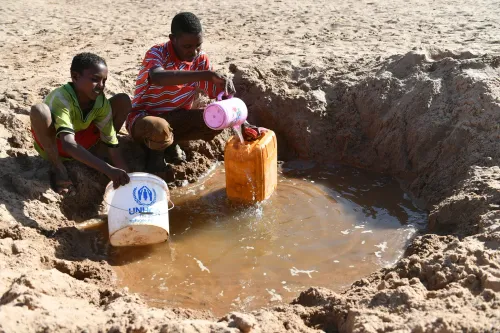
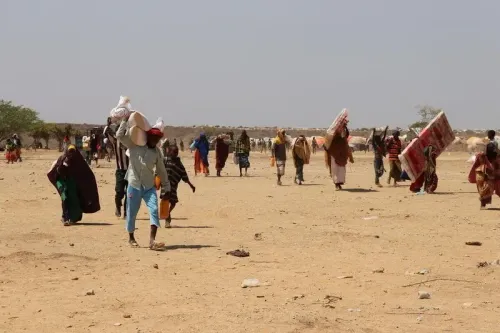
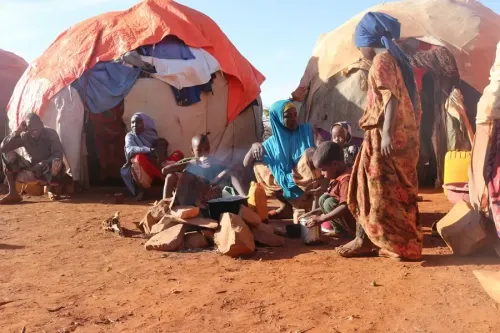
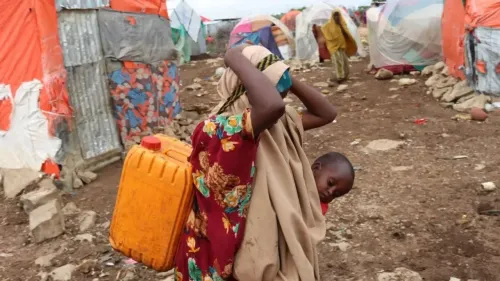
UNTMIS has urged Somali leaders to unite around the country's pressing challenges, including a severe humanitarian crisis and persistent insecurity linked to the Al-Shabaab insurgency. The international community, including foreign diplomats who convened the latest talks, remains engaged, though the path to consensus appears narrow. Whether the opposition follows through on its threat to withdraw recognition of the federal government could determine the trajectory of Somalia's political stability in the weeks ahead.
Point of View
Transforming what was an electoral disagreement into a direct challenge to the government's right to govern. The universal-suffrage-versus-indirect-voting debate is also not merely technical: it is a proxy war over clan power and federal authority. Each failed round of talks erodes the credibility of the dialogue process itself, making the next round harder to convene. The international community's leverage is real but limited — foreign diplomats can convene talks, but they cannot compel political will in a system where clan loyalty often outweighs constitutional obligation.
NationPress
26 Sept 2026
Frequently Asked Questions
Why did the Somalia election talks fail?
The three-day talks in Mogadishu ended without agreement primarily because of an unresolved dispute over Somalia's electoral model. President Mohamud supports moving to universal suffrage, while the opposition and several federal member states want to retain a revised indirect voting system based on clan representation.
What is the significance of 15 May 2025 for Somalia?
15 May 2025 marked the official end of President Hassan Sheikh Mohamud's four-year term under the 2012 Provisional Constitution. The conclusion of the talks on that date, without a deal, deepened the political crisis as the opposition has warned it will stop recognising the government's legitimacy from that point.
What did the UN mission say after the talks collapsed?
UNTMIS expressed regret that the talks ended without resolving major disputes and urged Somali leaders to continue dialogue. It called for restraint, welcomed both sides' stated commitment to keep talking, and reiterated its readiness to work with international partners to support reconciliation.
What is the controversy over Somalia's constitutional amendment?
In March 2025, Somali lawmakers approved amendments extending presidential and parliamentary terms from four to five years. The opposition and some federal member states have rejected this extension as illegitimate, arguing it was used to prolong the government's hold on power beyond its original mandate.
Who is affected by Somalia's political deadlock?
The deadlock affects all Somalis, but most acutely those dependent on international humanitarian support and those living in areas where political instability worsens insecurity. UNTMIS has specifically flagged the country's severe humanitarian crisis and ongoing insecurity as challenges that require unified political leadership to address.