UNAMA flags Afghanistan security accountability gaps; Taliban pushes back
Synopsis
A UN mission's 38-page assessment of Taliban security governance found that despite setting up oversight bodies, the de facto authorities have released almost no public data on complaints, investigations, or disciplinary actions — a gap that, critics say, erodes deterrence and shields misconduct from scrutiny. The Taliban's pushback was swift but short on specifics.
Key Takeaways
UNAMA released a 38-page report on 11 August examining Taliban security sector accountability since August 2021 .
The report found that oversight steps taken by de facto authorities were not accompanied by sufficient public transparency .
Bodies flagged for inadequate reporting include the de facto Security and Filtration Commission and the MPVPV Complaints Commission .
Many complaints reportedly remain unresolved ; fear of reprisals and barriers for women discourage reporting.
Taliban spokesman Zabihullah Mujahid defended security forces, attributing current stability to their work.
Georgette Gagnon of UNAMA warned that the lack of public data 'undermines confidence and weakens deterrence.'
The United Nations Assistance Mission in Afghanistan (UNAMA) on Monday, 11 August released a 38-page report on security sector accountability in Afghanistan, finding that the Taliban's de facto authorities have failed to accompany internal oversight steps with sufficient public transparency. The Taliban administration responded the following day, attributing the country's current stability to the work of its security forces.
What the UNAMA Report Found
UNAMA examined accountability efforts by the de facto authorities since August 2021, when the Taliban came to power. The report acknowledged that steps had been taken — including directives, internal monitoring units, and newly established oversight bodies — but concluded these measures fell short on transparency.
Bodies specifically cited by UNAMA as lacking adequate public reporting include the de facto Security and Filtration Commission, the High Directorate of Supervision and Monitoring of Decrees and Edicts, the Ministry of Propagation of Virtue and Prevention of Vice (MPVPV) Commission for Hearing Complaints, and the de facto Supreme Court.
Key Concerns Raised by UNAMA
The mission documented instances where the de facto authorities conducted arrests and investigations into reported misconduct by security personnel. However, it noted that many complaints reportedly remain unresolved.
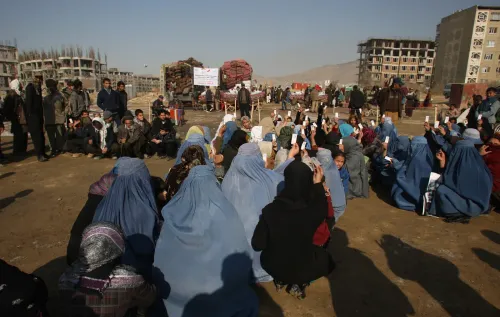
'Fear of reprisals, lack of trust in de facto authority institutions, and barriers — particularly for women who are subjected to multiple restrictions in their daily lives — discourage reporting of alleged misconduct,' the report stated.
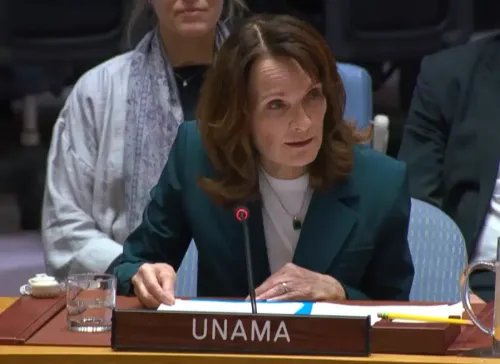
Georgette Gagnon, Deputy Special Representative of the Secretary-General and Officer-in-Charge of UNAMA, said: 'The limited amount of public information on complaints received, investigations conducted, and disciplinary or judicial actions taken by relevant de facto bodies undermines confidence and weakens deterrence.'
Taliban's Response
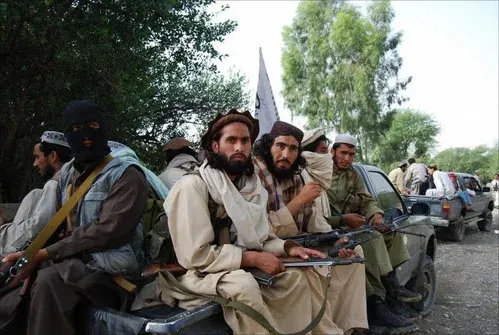
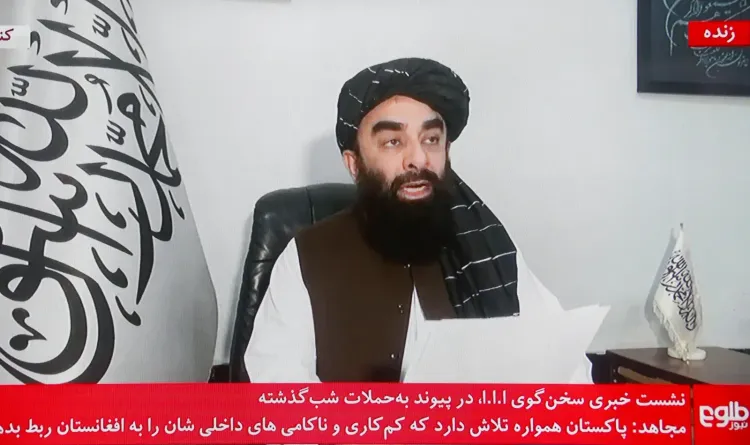
Zabihullah Mujahid, spokesman for the Afghan National Security Agency, acknowledged that problems may exist in some cases but argued that the overall record of the security forces speaks for itself. He attributed the 'security and stability' currently seen across the country to the sustained work of those forces, according to reports from Kabul-based outlet Khaama Press.
Why This Matters
The UNAMA report is among the most detailed international assessments of Taliban security governance since the group took power nearly four years ago. The absence of verifiable accountability data makes it difficult for international bodies and aid organisations to assess whether reported misconduct — including against civilians — is being meaningfully addressed.
Notably, the barriers to reporting highlighted in the report disproportionately affect women, who face compounding restrictions on movement, speech, and access to institutions under Taliban rule. This comes amid growing international pressure on the Taliban over human rights conditions, with several UN bodies having called for greater engagement and transparency. How the de facto authorities respond to this report in the coming weeks could influence the terms of future international dialogue on Afghanistan.
Point of View
Not an accountability framework. UNAMA's core finding is structural: the de facto authorities have built oversight bodies that produce no publicly verifiable output, which is accountability theatre rather than accountability. The specific barrier flagged for women is not incidental; it is a direct consequence of Taliban governance architecture that systematically limits women's access to redress. International engagement strategies that treat security normalisation as separable from accountability are likely to find this report inconvenient — but ignoring it risks entrenching impunity.
NationPress
26 Sept 2026
Frequently Asked Questions
What did the UNAMA report on Afghanistan security accountability find?
The UNAMA report, released on 11 August, found that while the Taliban's de facto authorities have taken some steps toward internal oversight since August 2021, these have not been accompanied by sufficient public transparency on complaints received, investigations conducted, or disciplinary actions taken.
Which Taliban bodies did UNAMA flag for lacking transparency?
UNAMA specifically identified the de facto Security and Filtration Commission, the High Directorate of Supervision and Monitoring of Decrees and Edicts, the MPVPV Commission for Hearing Complaints, and the de facto Supreme Court as bodies that have not provided adequate public reporting on their oversight activities.
How did the Taliban respond to the UNAMA report?
Taliban spokesman Zabihullah Mujahid acknowledged that problems may exist in some cases but defended the security forces, saying their work is responsible for the current security and stability in Afghanistan. He did not address the specific transparency gaps cited by UNAMA.
Why are complaints about security misconduct going unreported in Afghanistan?
UNAMA cited fear of reprisals, lack of trust in de facto institutions, and multiple barriers faced specifically by women as key reasons why alleged misconduct goes unreported. Women face compounding restrictions on movement and access to institutions under Taliban governance.
What period does the UNAMA security accountability report cover?
The report covers the period from August 2021 — when the Taliban came to power — to the time of its release on 11 August, making it one of the most comprehensive international assessments of Taliban security governance to date.