UNESCO: Conflict disrupts education for 100 million children in Arab states
Synopsis
O ver 100 million children across Arab states are caught in an education emergency — and UNESCO is warning the damage may be permanent. With 97.5% of Gaza's schools damaged or destroyed and Lebanon's classrooms converted into shelters, the region's education systems are not just disrupted; they are on the verge of structural collapse.
Key Takeaways
UNESCO warned on 4 May 2025 that conflict has disrupted education for more than 100 million children across Arab states.
At least 15 countries are affected, with 52 million school-age children experiencing closures, reduced access, or emergency remote learning.
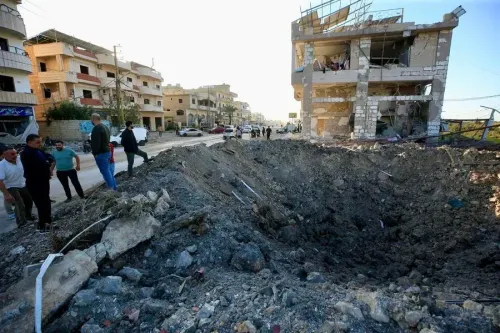
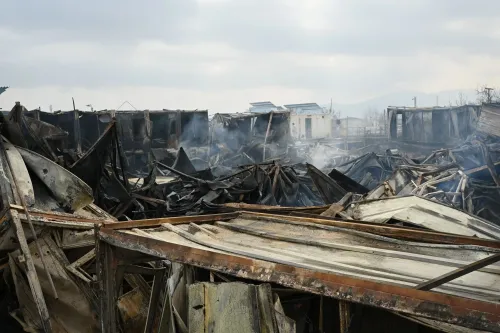
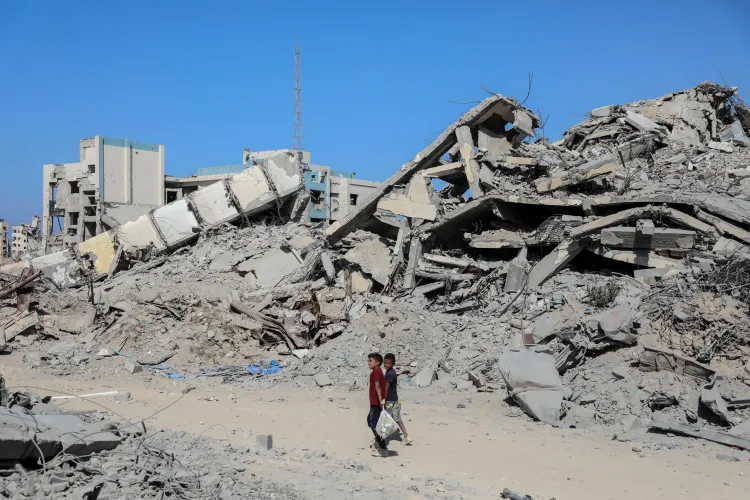
In Gaza , 97.5% of schools are damaged or destroyed, leaving more than 637,000 children out of school.
Lebanon has seen over 1,100 public schools used as shelters and at least 570 schools closed or in conflict zones, affecting 240,000+ students .
In Iraq , about 7,500 schools serving 2 million learners have shifted to online learning.
UNESCO is scaling up emergency responses including temporary learning spaces, digital platforms, and psychosocial support.
A UNESCO report released on Monday, 4 May warned that escalating regional conflict has severely disrupted education across Arab states, affecting more than 100 million children and pushing already fragile systems toward collapse. The crisis spans at least 15 countries, disrupting learning for 52 million school-age children through school closures, reduced access, and emergency shifts to remote learning.
Scale of the Crisis
According to the UNESCO report, nearly 30 million children in the region were already out of school before the latest escalation — meaning the conflict has compounded a pre-existing education emergency. The agency cautioned that without urgent international intervention, the region risks irreversible human capital loss and the emergence of a
Point of View
Exposing structural failures that predate the conflict. The international community's record on sustaining education funding in protracted crises is poor; pledges made in the acute phase routinely dry up in the recovery phase, when dropout rates quietly harden into permanent exclusion. The real test of this report is whether it shifts donor behaviour beyond emergency relief toward long-term system rebuilding — particularly in Syria and Lebanon, where returnee influxes are straining schools that were already broken.
NationPress
14 Oct 2026
Frequently Asked Questions
How many children has the Arab states conflict affected educationally?
According to a UNESCO report released on 4 May, more than 100 million children across Arab states have been affected by education disruption caused by escalating regional conflict. Of these, 52 million school-age children face direct disruption through closures, reduced access, or remote learning shifts.
What is the state of education in Gaza according to the UNESCO report?
The UNESCO report describes a near-total collapse of Gaza's education system, with 97.5% of schools damaged or destroyed and more than 637,000 children out of school. The situation represents one of the most severe education emergencies documented in the region.
How has Lebanon's education system been affected by the conflict?
In Lebanon, more than 1,100 public schools have been repurposed as shelters and at least 570 schools are closed or located in conflict zones, disrupting learning for over 240,000 students. The dual pressure of school closures and shelter use has severely reduced available learning spaces.
What is UNESCO doing to address the education crisis in Arab states?
UNESCO is scaling up its emergency response through temporary learning spaces, digital platforms, and psychosocial support for affected students. The agency is also calling for sustained international aid to ensure learning continuity and help rebuild resilient education systems across the region.
Why is the UNESCO report warning about a 'lost generation'?
UNESCO warns that without urgent intervention, the region could face irreversible human capital loss as millions of children experience prolonged school disruption, rising dropout rates, and psychological distress. The risk is compounded by the fact that nearly 30 million children were already out of school before the latest escalation.