US Army detonates Iowa explosives; EPA finds no airborne lead
Synopsis
The US Army blew up nearly five tonnes of decaying lead azide in Iowa rather than risk moving it, and early EPA readings found no airborne lead. Officials say those results are not final. With 300 personnel still sampling air, soil and water, the real verdict on contamination around Middletown is still to come.
Key Takeaways
The US Army destroyed nearly five tonnes of unstable explosives at the Iowa Army Ammunition Plant in Middletown on Wednesday .
Inspectors had found severe deterioration in 68 drums holding more than 9,700 pounds of lead azide.
EPA monitors found no detectable airborne lead an hour after the blast, and readings were unchanged after more than five hours .
The EPA deployed 300 personnel and collected 1,200 samples before the detonation, and testing continues.
More than 140 USDA offices within 100 miles stay open to help farmers, including with claims against the Army.
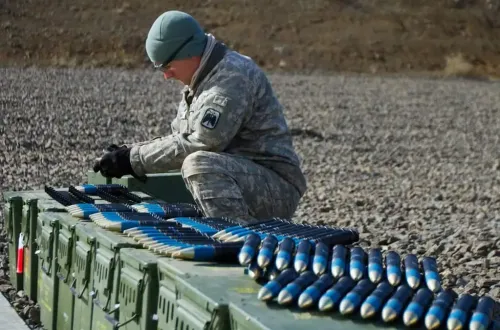
The US Army destroyed nearly five tonnes of unstable explosives in a controlled detonation at the Iowa Army Ammunition Plant in Middletown, Iowa, on Wednesday (local time). Federal environmental officials said initial readings showed no detectable airborne lead, and testing of air, soil and water continues in surrounding areas.
The operation followed warnings that deteriorating lead azide stored at the facility could explode on its own. Officials said the planned blast was meant to remove that risk under controlled conditions.
Why the Army Chose a Controlled Blast
Before the operation, the Army said inspectors had found severe deterioration and crystallisation in 68 drums holding more than 9,700 pounds of lead azide. The material had become highly sensitive to friction, vibration, heat and shock.
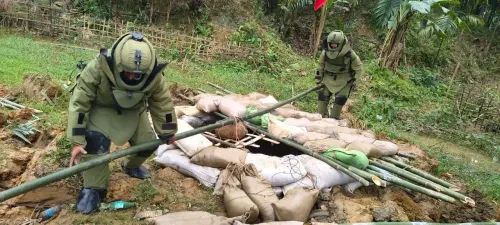
Military officials said moving the explosives or treating them chemically posed unacceptable risks. To contain debris and reduce airborne dust, crews used sand-filled barriers, water, foam and other materials.
Maj. Gen. Eric Shirley, who leads the Army Sustainment Command, said overhead observations confirmed that the targeted barrels had been destroyed, according to remarks reproduced by the White House. “There was no infrastructure damage in or around our installation,” he said. He also reported no secondary explosions.
Acting Army Secretary Adam Telle said the operation had removed the threat of an uncontrolled explosion.
What the EPA Monitoring Found
The Environmental Protection Agency (EPA) said all its real-time air monitors showed no detectable airborne lead one hour after the detonation. The agency said monitoring ran throughout the blast.
EPA Administrator Lee Zeldin later said the readings were unchanged more than five hours after the detonation, according to a White House statement issued on Wednesday evening. Officials stressed that the early air readings are not a final assessment of possible contamination.
The agency said it had placed 300 employees and contractors on site for the response. Before the blast, it collected 1,200 samples of air, land, dust and water to set a baseline for comparison.
“As one way to put this morning’s controlled detonation into perspective, I have been informed that the release of particulate matter from Kansas City’s fireworks show at FIFA World Cup FanFest was roughly 10x greater than this morning’s detonation,” Zeldin said.
“After collecting 1,200 land, air, dust, and water samples before the detonation, 300 EPA personnel and contractors were pre-positioned for continued sampling during and after the detonation. They are now back in the field sampling air, land, and water,” he added. Zeldin said teams would keep monitoring and would start cleanup if needed.
Health and Farm Support for Residents
Health and Human Services Secretary Robert F. Kennedy Jr. said federal health work would continue after the blast. “Our responsibility does not end with the detonation,” he said in a statement quoted by the White House. He said officials would keep assessing potential health risks and would share their findings with residents.
Agriculture Secretary Brooke Rollins said more than 140 US Department of Agriculture offices within 100 miles of Middletown would stay open to help farmers, including with claims filed with the Army.
Federal emergency officials had also offered temporary relocation help to residents in the affected area, including transport, meals and hotel stays.
What Happens Next
The blast removed the immediate explosion hazard, but the environmental review is still under way. Results from ongoing air, soil and water sampling are expected to show whether the containment measures fully prevented lead from spreading. Residents and farmers around Middletown will be watching for those findings in the coming days.
Point of View
Moving it becomes the bigger danger. Zeldin's fireworks comparison may reassure people, but it is a messaging tool, not data. Even the EPA concedes the clean air readings are not a final contamination assessment. The real test of accountability is whether the soil and water results are published promptly and fully, and whether farmers' claims against the Army are settled without delay.
NationPress
26 Nov 2026
Frequently Asked Questions
What happened at the Iowa Army Ammunition Plant?
The US Army destroyed nearly five tonnes of unstable explosives in a controlled detonation at the plant in Middletown, Iowa, on Wednesday (local time). The material was deteriorating lead azide that officials warned could explode unexpectedly.
Was any lead detected in the air after the Iowa detonation?
No. EPA real-time air monitors showed no detectable airborne lead one hour after the blast, and readings were unchanged more than five hours later. Officials said these early readings are not a final contamination assessment.
Why did the Army not move the explosives instead?
Military officials said moving the material or treating it chemically posed unacceptable risks. Inspectors found 68 drums with more than 9,700 pounds of lead azide that had become highly sensitive to friction, vibration, heat and shock.
What support is available for residents and farmers near Middletown?
Federal emergency officials offered temporary relocation help, including transport, meals and hotel stays. More than 140 USDA offices within 100 miles remain open to help farmers, including with claims filed with the Army.
What happens next after the Iowa explosives blast?
EPA teams are still sampling air, soil and water around the site. Administrator Lee Zeldin said cleanup measures would be deployed if needed, and health officials said they would share their findings with residents.