US Army plans Iowa explosives blast amid lead-dust concern

Synopsis
The US Army plans to destroy unstable explosives at an Iowa ammunition plant, with residents urged to relocate temporarily amid concerns about lead-containing dust. The EPA permit covers 68 drums of degraded lead azide and requires monitoring, sampling and cleanup.
Key Takeaways
The US Army plans to destroy unstable explosives at the Iowa Army Ammunition Plant on Wednesday , subject to weather.
The advised relocation area extends southwest from the plant in a five-mile cone .
The EPA issued an emergency permit covering 68 drums of degraded lead azide.
Senator Dick Durbin 's office described the material as 9,700 pounds of lead azide.
Transportation, meals and temporary lodging are available through Friday , and residents who leave will receive an all-clear by phone.
Federal personnel will sample after the blast and publish the results, according to the Army .
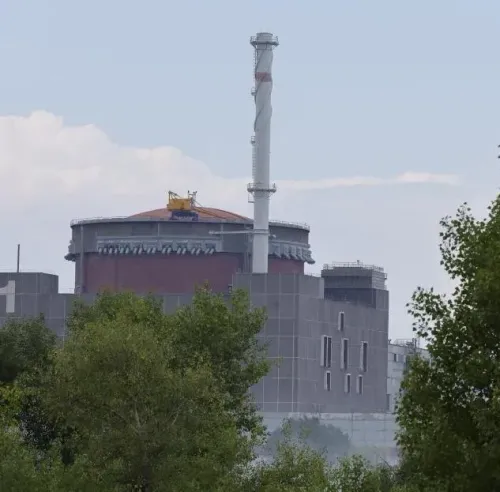
The US Army plans to destroy unstable explosives at the Iowa Army Ammunition Plant in Middletown, Iowa, on Wednesday, and has urged nearby residents to leave temporarily because of potential exposure to lead-containing dust. The controlled explosion is scheduled for about 9 am local time, subject to weather conditions, to reduce the risk of the deteriorating material exploding unexpectedly.
The Army has outlined a relocation area extending southwest from the plant in a five-mile cone. Federal emergency officials are supporting the recommended relocation of Middletown residents and people in surrounding affected areas beginning Tuesday.
Why the explosives must be destroyed
The Environmental Protection Agency (EPA) has issued an emergency permit covering 68 drums of degraded lead azide. The agency said changes in the stored material had made it highly sensitive to friction and shock, creating a risk of spontaneous explosion.
According to the EPA, the Army concluded that the explosives could not safely be handled or moved and needed to be destroyed where they were stored. The office of Senator Dick Durbin, an Illinois Democrat, described the material awaiting disposal as 9,700 pounds of lead azide.
The planned operation addresses the immediate danger identified by the Army while requiring measures to monitor what happens after the blast. The permit covers public notification in advance, sampling and monitoring before and afterwards, cleanup of contaminated areas and reports to the EPA.
Relocation and help for residents
Residents in the advised area are being urged to leave temporarily, rather than remain near the site during the operation. Assistance includes transportation, meals and temporary lodging through Friday, the day after Thanksgiving.
People who leave will receive an all-clear by phone before returning. The planned Wednesday operation remains subject to weather conditions, making the timing dependent on the conditions at the site.
Lead-dust risks and monitoring
The Army warned that lead-containing dust could settle on nearby surfaces after the explosion. It said exposure could occur through breathing or contact with deposited dust.
Protective measures include sand barriers, water and foam designed to limit the spread of particles, according to the Army. Federal personnel will conduct sampling after the explosion and publish the results.
The EPA permit also requires sampling before the blast and cleanup of contaminated areas. Together, those requirements cover conditions around the operation as well as the response to any contamination identified afterwards.
Durbin calls for health assessment
On Tuesday, Durbin called on the Trump administration to immediately deploy a public health emergency team to assess risks and any damage. He also urged federal officials to coordinate with state and regional health and environmental agencies before proceeding.
“At a minimum, monitoring the wind drift and measuring the impact will give us the most likely area of mitigation,” Durbin said.
Residents are to receive the all-clear by phone before returning, while federal officials plan to publish the post-blast sampling results.
Point of View
Clear communication with residents and accountability for any necessary cleanup. The all-clear should be understandable to affected households, not merely an operational milestone.
NationPress
24 Nov 2026
Frequently Asked Questions
Why is the US Army planning an explosives blast in Iowa?
The Army plans to destroy deteriorating explosives to reduce the danger of an unexpected explosion. According to the EPA, the Army concluded that the material could not safely be handled or moved.
When and where is the Iowa explosives blast planned?
The blast is planned for about 9 am local time on Wednesday at the Iowa Army Ammunition Plant in Middletown, subject to weather conditions.
Who has been urged to leave before the blast?
Middletown residents and people in surrounding affected areas have been urged to relocate temporarily. The Army describes an advised area extending southwest from the plant in a five-mile cone.
What are the concerns about lead dust?
The Army warned that lead-containing dust could settle on nearby surfaces and that exposure could occur through breathing or contact. Sand barriers, water and foam are intended to limit the spread of particles.
What happens after the Iowa explosives blast?
Federal personnel will conduct sampling and publish the results, according to the Army. Residents who leave will receive an all-clear by phone before returning, and the EPA permit requires cleanup of contaminated areas.