US Army Secretary Dan Driscoll resigns amid Iran war, clash with Hegseth
Synopsis
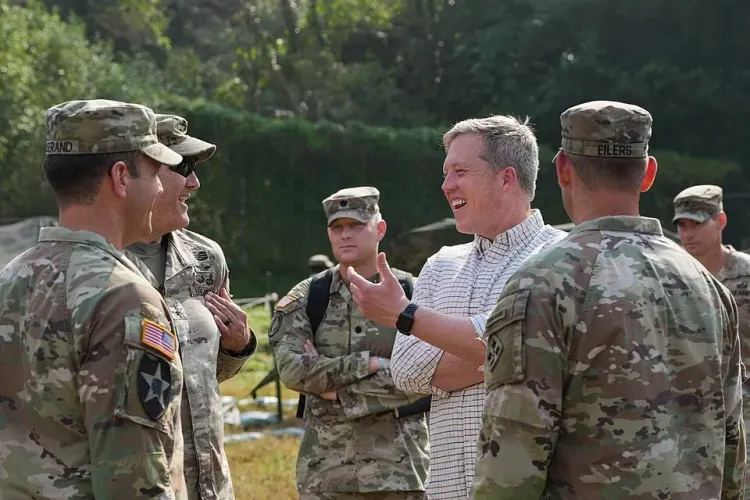
With the US-Iran war six months old and no end in sight, Army Secretary Dan Driscoll's reported resignation lays bare a Pentagon in disarray — no civilian Army head, no permanent Army chief, and a string of fired generals leaving a command vacuum that critics say Hegseth created and cannot fill.
Key Takeaways
US Army Secretary Dan Driscoll reportedly resigned after a meeting with President Donald Trump on Monday .
His departure is attributed to clashes with Defence Secretary Pete Hegseth over officer firings, promotion blocks, and Army modernisation.
Driscoll is the second senior civilian military official to leave during the Iran war ; Navy Secretary John Phelan was fired in April .
The US Army now has neither a civilian head nor a permanent military chief, following the earlier firing of General Randy George .
General Christopher LaNeve , nominated as Army Vice Chief successor, is still awaiting Senate confirmation.
Media reports suggest Pentagon Spokesperson Sean Parnell could be named Driscoll's successor.
US Army Secretary Dan Driscoll has reportedly resigned following a meeting with President Donald Trump on Monday, amid deepening friction with Defence Secretary Pete Hegseth over military leadership decisions during the ongoing US-Iran war. The White House has not confirmed the resignation, according to media reports citing officials.
What Led to the Resignation
Driscoll is reported to have clashed repeatedly with Hegseth over the Army's modernisation agenda, the dismissal of several senior officers, and the blocking of promotions for others. He reportedly raised his concerns directly with President Trump, making the friction between the two officials a matter of presidential attention. His departure had, according to reports, been anticipated for some time.
A Leadership Vacuum at a Critical Moment
Driscoll's exit deepens an already severe command crisis within the US Army. The service is now without both its civilian head and a permanent military chief, following the earlier firing of Army Chief of Staff General Randy George. Army Vice Chief of Staff General James Mingus was fired last October, and General Christopher LaNeve, nominated as his successor, has yet to receive Senate confirmation — a constitutional requirement for senior military appointments. Hegseth has also fired three other generals who were potential successors to George, further widening the vacuum.
The Broader Iran War Context
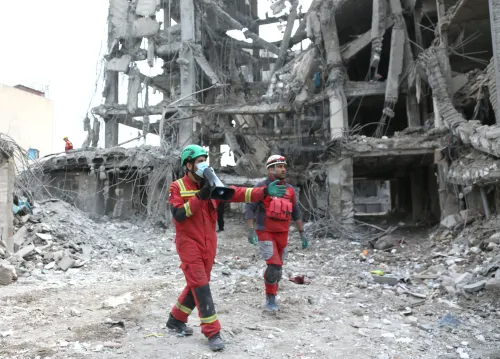
Driscoll is the second senior civilian military official to exit during the Iran conflict. Navy Secretary John Phelan was fired in April. Both Hegseth and Trump had predicted the war would conclude within weeks; six months on, the military remains engaged. While US ground troops have not entered a direct land war with Iran, they are providing critical defence against Iranian missiles and drones in the Gulf region, and some soldiers have died in attacks on bases there, according to reports.
Who Driscoll Is and Who May Succeed Him
Driscoll, a combat veteran who served in Iraq as an Army Lieutenant, later attended Yale Law School, where he was a classmate and close friend of Vice President J.D. Vance. He had been considered a possible successor to Hegseth himself. Media reports have speculated that Pentagon Spokesperson Sean Parnell — who is close to Hegseth and has restricted media access to the military — could be named as Driscoll's replacement.
Pattern of Civilian-Military Tensions
Under Hegseth's tenure, a pattern of targeted dismissals has emerged. African American officers, beginning with Joint Chiefs of Staff General C.Q. Brown, and women officers have reportedly been disproportionately affected. Hegseth has also moved against officers perceived as close to leaders he was not aligned with, including Europe and Africa Commander General Christopher Donahue, who played a significant role in supporting Ukraine in its war with Russia. Driscoll's opposition to many of these firings and promotion blocks is reported to have been the central fault line in his relationship with Hegseth. How the Army fills its multiple leadership gaps — and whether the Senate moves on pending nominations — will be closely watched in the weeks ahead.
Point of View
A permanent chief of staff, and a confirmed vice chief — a command trifecta of vacuums that no modern military has managed comfortably. Hegseth's mass dismissals, framed as a purge of 'woke' generals, have in practice stripped the Army of institutional continuity at precisely the moment it needs it most. The fact that Driscoll — a Trump ally, a Vance confidant, and a combat veteran — could not survive Hegseth's Pentagon signals that the Defence Secretary's internal authority now overrides even presidential proximity. That is a significant shift in civil-military power dynamics, and one that Congress has so far been slow to scrutinise.
NationPress
1 Sept 2026
Frequently Asked Questions
Why did US Army Secretary Dan Driscoll resign?
Driscoll reportedly resigned due to sustained disagreements with Defence Secretary Pete Hegseth over the Army's modernisation, the firing of senior officers, and the blocking of promotions. He is said to have raised his concerns directly with President Trump before submitting his resignation.
Has the White House confirmed Driscoll's resignation?
No. As of the latest reports, the White House has not officially confirmed Driscoll's resignation, though multiple media outlets cited officials in reporting the development.
Who else has left the US military leadership during the Iran war?
Navy Secretary John Phelan was fired in April, making Driscoll the second senior civilian military official to exit during the conflict. Army Chief of Staff General Randy George and Vice Chief General James Mingus were also dismissed earlier.
Who might succeed Dan Driscoll as Army Secretary?
Media reports have speculated that Pentagon Spokesperson Sean Parnell, who is close to Defence Secretary Hegseth and has restricted press access to the military, could be named as Driscoll's successor. No official appointment has been announced.
What is the current state of US Army leadership amid the Iran conflict?
The US Army currently has no confirmed civilian secretary and no permanent military chief. General Christopher LaNeve, nominated to fill one vacancy, is still awaiting Senate confirmation, which is constitutionally required for senior military appointments.