US bans Canadian alcohol, dairy as trade war with Ottawa deepens
Synopsis
Washington has moved beyond tariffs into outright import bans on Canadian alcohol and dairy, invoking a 1930 trade law rarely used against a close ally. With bilateral talks collapsed, $20 billion in retaliatory Canadian duties in play, and USMCA protections effectively bypassed, the US-Canada trade relationship is deteriorating faster than at any point since NAFTA was negotiated — and congressional efforts to rein in executive tariff power are still far from a vote.
Key Takeaways
The US enforced import bans on specified Canadian alcoholic beverages and dairy products from 29 September , on top of existing 50 per cent tariffs .
President Donald Trump signed five proclamations under Section 338 of the Tariff Act of 1930 , announced on 8 September .
The bans were triggered by Canada's retaliatory tariffs covering roughly $20 billion in American exports.
The measures apply even to goods that qualify under the US-Mexico-Canada Agreement (USMCA) .
Five Democratic senators warned of higher costs for small businesses, farmers, and consumers on everyday goods including milk, clothing, and paper products.
Senator Amy Klobuchar is pushing legislation requiring congressional approval of new tariffs within 60 days .
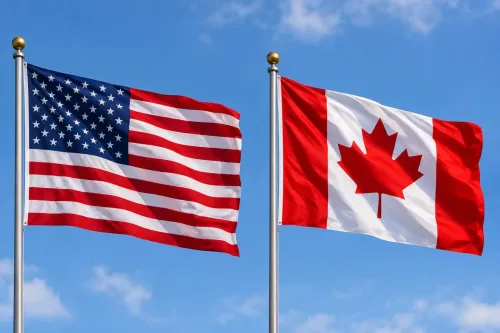
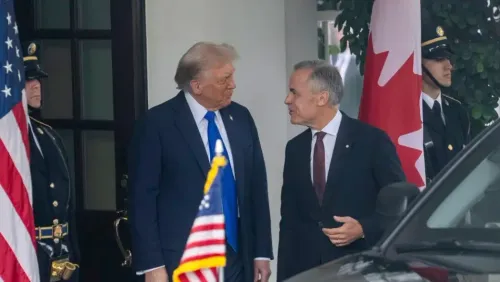
The United States on 29 September began enforcing sweeping import bans on specified Canadian alcoholic beverages, dairy products, and a range of other goods, widening a bitter trade confrontation between the two neighbouring economies. The move piles fresh restrictions on top of existing tariffs, leaving businesses on both sides of the border navigating overlapping duties and prohibitions.
How the Bans Were Triggered
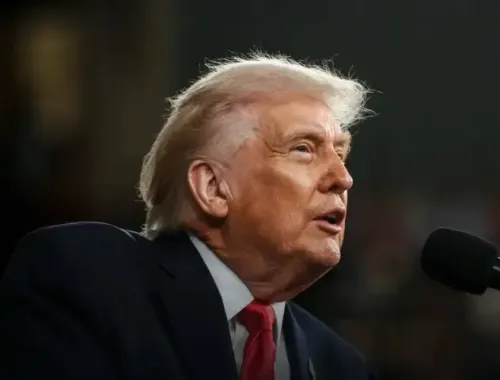
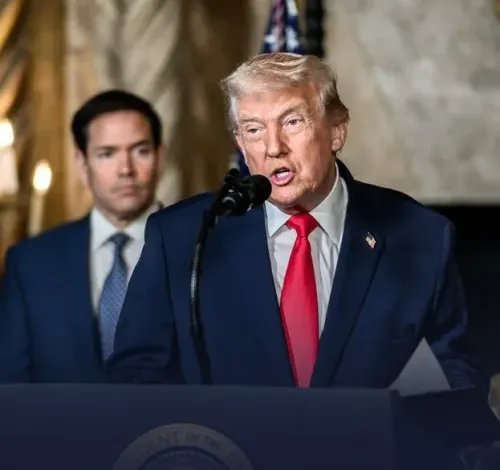
President Donald Trump announced the bans on 8 September, invoking Section 338 of the Tariff Act of 1930 — a rarely used provision that permits a president to restrict or exclude imports from countries found to be discriminating against American commerce. He signed five separate proclamations under that authority, and the measures formally took effect on 29 September.
The White House said the action was a direct response to Canada's retaliatory tariffs, which reportedly cover roughly $20 billion in American exports. According to the administration, Ottawa had maintained discriminatory treatment of US alcoholic beverages, dairy products, and motor vehicles, and had imposed fresh retaliatory duties on American steel, dairy goods, and agricultural equipment after ending bilateral trade talks last month.
What the New Measures Cover
The import bans apply to specified Canadian alcoholic beverages and other products that had already been subject to 50 per cent tariffs under an earlier proclamation. They also prohibit imports of certain Canadian dairy products and additional goods that faced the same tariff rate.
Separately, the administration revised the product coverage of tariffs announced in July, with those changes taking effect on 15 September — two weeks before the import bans kicked in. Rock salt and cement were removed from the tariff list, while all-terrain vehicles and additional dairy goods were added.
Notably, the Section 338 measures apply to covered Canadian goods even when those goods qualify under the US-Mexico-Canada Agreement (USMCA), and they operate in addition to tariffs already imposed under Section 232 of the Trade Expansion Act of 1962. This layering of trade restrictions is without clear modern precedent in the US-Canada relationship.
Democratic Senators Push Back
Five Democratic senators from states with deep economic ties to Canada — Amy Klobuchar, Chris Coons, Patty Murray, Jeanne Shaheen, and Elissa Slotkin — issued a joint statement sharply criticising the escalation.
'The states we represent rely on Canada as a key trading partner and our primary export market,' the senators said. 'We have deep ties with our neighbours to the north, and we share one of the world's most enduring defence partnerships.'
The lawmakers warned that the tariffs would squeeze small businesses and farmers, drive up costs for working families, and raise prices on everyday items including milk, clothing, and paper products. They also flagged risks to housing construction costs — citing lumber, plywood, and construction equipment — and to manufacturers of automobiles, aircraft, and machinery.
Senator Klobuchar is sponsoring legislation to revoke the latest global tariffs and the 50 per cent duties on Canada. She has also introduced bipartisan legislation that would require congressional review and approval of any new tariffs within 60 days.
Why the Stakes Are High
The United States and Canada share one of the world's largest bilateral trading relationships, with supply chains tightly integrated across the automobile, energy, agriculture, construction, and manufacturing sectors. Disruption in any one of these areas can ripple across both economies simultaneously.
The two countries, along with Mexico, replaced the North American Free Trade Agreement (NAFTA) with the USMCA in 2020, preserving largely tariff-free regional commerce. However, the agreement did not foreclose the use of national security and other trade statutes — the very provisions Washington is now deploying against its northern neighbour.
With congressional efforts to curb executive tariff authority still at an early stage, and bilateral talks having collapsed last month, further escalation between Washington and Ottawa appears likely in the weeks ahead.
Point of View
Not just a political signal. The Trump administration is effectively arguing that a free-trade agreement does not immunise a partner from the full arsenal of US trade law — a reading that, if sustained, rewrites the understood value of USMCA membership. What mainstream coverage underplays is the layering problem: businesses now face Section 232 tariffs, Section 338 bans, and retaliatory Canadian duties simultaneously, with no clear resolution mechanism since talks collapsed. The bipartisan tariff-review bill is the most consequential subplot here — if it gains traction, it could constrain presidential trade authority for a generation.
NationPress
29 Sept 2026
Frequently Asked Questions
Why did the US impose import bans on Canadian goods?
The US imposed the bans in response to Canadian retaliatory tariffs covering roughly $20 billion in American exports. President Trump invoked Section 338 of the Tariff Act of 1930, citing what the White House described as Canada's continued discriminatory treatment of US alcoholic beverages, dairy products, and motor vehicles.
Which Canadian products are now banned from entering the US?
The bans cover specified Canadian alcoholic beverages, dairy products, and other goods that had previously faced 50 per cent tariffs. All-terrain vehicles and additional dairy items were also added to the tariff list under revisions that took effect on 15 September.
Do the bans override the US-Mexico-Canada Agreement?
Yes, according to the White House. The Section 338 measures apply to covered Canadian goods even when those goods qualify under the USMCA, and they operate in addition to existing Section 232 tariffs. The USMCA did not eliminate governments' ability to invoke national security and other trade statutes.
What are US lawmakers doing to push back?
Five Democratic senators — Amy Klobuchar, Chris Coons, Patty Murray, Jeanne Shaheen, and Elissa Slotkin — issued a joint statement warning of higher costs for businesses and consumers. Klobuchar is sponsoring legislation to revoke the tariffs and a separate bipartisan bill that would require congressional review and approval of new tariffs within 60 days.
How significant is the US-Canada trading relationship?
The US and Canada share one of the world's largest bilateral trading relationships, with deeply integrated supply chains across automobiles, energy, agriculture, construction, and manufacturing. Canada is also the primary export market for many US states, making the escalating trade dispute a direct economic concern for businesses and consumers on both sides of the border.