US Congress mourns Nepal-Tibet flood victims; nearly 1,000 dead, 4,000 missing
Synopsis
A US congresswoman took the House floor to mourn the Nepal-Tibet floods — and revealed that an estimated 90 Americans are among the more than 4,000 still missing. With nearly 1,000 dead and search operations ongoing across the Himalayas, the disaster has now entered the formal US legislative record, signalling growing Washington concern over the scale of the catastrophe.
Key Takeaways
Congresswoman Grace Meng led a moment of silence in the US House of Representatives on 2 September for Nepal-Tibet flood victims.
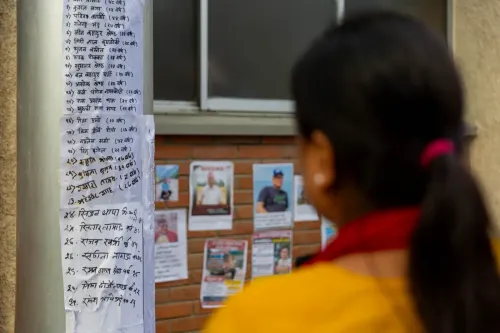
Nearly 1,000 people have died and more than 4,000 remain missing in the disaster.
An estimated 90 Americans are among those reported missing, according to Meng.
Search-and-rescue operations were still ongoing across the Himalayan region at the time of the tribute.
Meng represents New York's 6th Congressional District in Queens, home to large Nepalese, Tibetan, and broader Asian-American communities.
The remarks were formally entered into the Congressional Record , placing the disaster on the official US legislative record.
US Congresswoman Grace Meng led a formal moment of silence on the floor of the House of Representatives on Wednesday, 2 September, mourning the victims of catastrophic floods that have swept through Nepal and Tibet, killing nearly 1,000 people and leaving more than 4,000 missing. The congressional tribute marked the first formal acknowledgement of the disaster at the federal legislative level in Washington.
What Meng Said on the House Floor
'The scale of destruction is heartbreaking,' Meng said in remarks entered into the Congressional Record. 'This horrific tragedy has taken the lives of nearly 1,000 people, destroyed homes and livelihoods, and left families grieving the loss of their loved ones.'
Meng, a Democrat representing New York's 6th Congressional District in Queens, also flagged that an estimated 90 Americans were among those reported missing in the disaster zone. 'As search and rescue operations continue across the region, we pray for safe recovery of the more than 4,000 people still missing in the wake of this disaster, including an estimated 90 Americans,' she said.
Scale of the Disaster
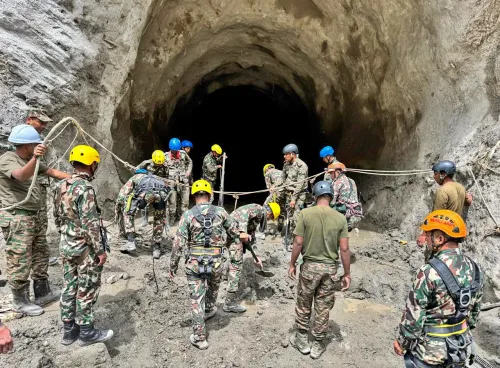
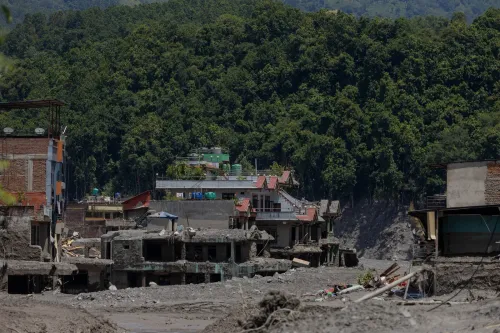
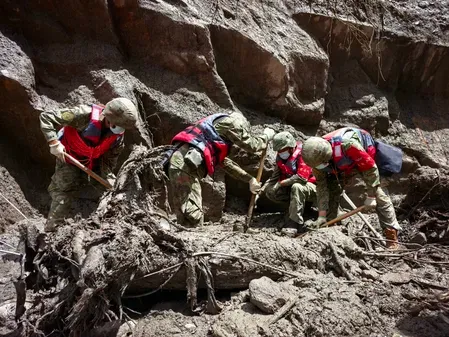
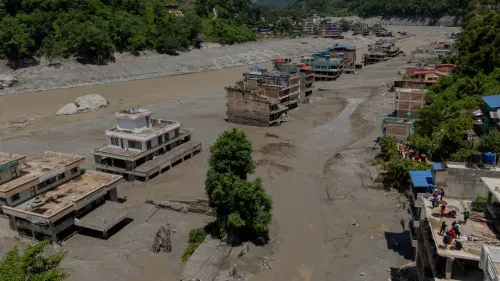
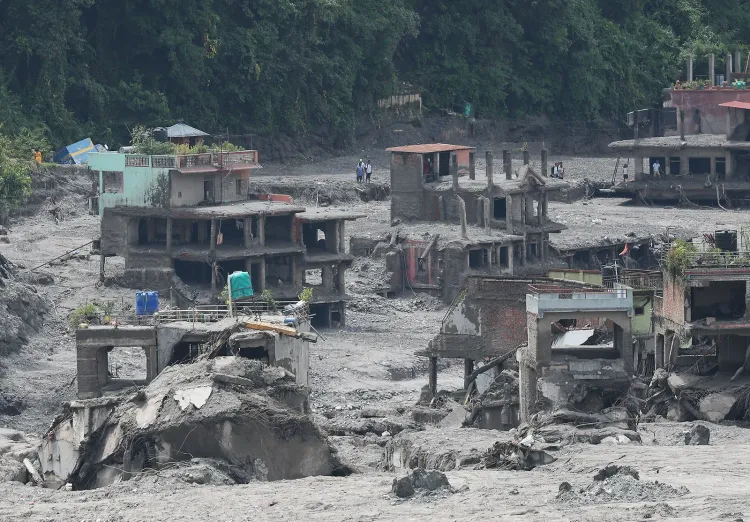
Search-and-rescue operations were still under way across the Himalayan region at the time of the congressional session. The floods have devastated communities on both sides of the Nepal-Tibet border, destroying homes and cutting off access to remote settlements. The full toll is expected to rise as rescue teams reach harder-to-access areas.
Notably, this comes amid a broader pattern of increasingly severe monsoon and glacial-outburst flooding across the Himalayas, which climate scientists have linked to accelerating ice melt at altitude. This is among the deadliest flood events recorded in the Nepal-Tibet corridor in recent years.
Impact on Asian-American Communities
Meng drew particular attention to the grief felt by Nepalese, Tibetan, and broader Asian-American communities across the United States, especially in New York, which hosts one of the largest and most diverse Asian-American populations in the country. 'We are committed to supporting our Asian-American communities across the United States, and especially those who live in my district in Queens, New York, as we navigate this profound tragedy,' she said.
Her district — New York's 6th Congressional District — encompasses parts of Queens and is home to substantial immigrant communities with deep cultural and familial ties across South and East Asia.
Washington's Response
By formally placing the Nepal-Tibet disaster on the Congressional Record, Meng's intervention elevated the catastrophe from a humanitarian news story to a matter of official US legislative concern. Concern has grown in Washington over the number of foreign nationals, including American citizens, caught in the disaster. Meng closed her remarks with a call for solidarity: 'We stand with all those affected, both at home and abroad.'
With search operations ongoing and the missing toll still above 4,000, the coming days will determine whether Washington moves beyond symbolic tribute toward formal disaster-relief coordination.
Point of View
But the detail that matters is the 90 missing Americans — that number, if it holds, could shift Washington's response from condolence to consular crisis. The broader story mainstream coverage is underplaying is the Himalayan pattern: this is not an isolated event but part of a multi-year escalation in glacial and monsoon flooding across Nepal and Tibet. Congress has been quicker to mourn than to legislate on climate-linked disaster preparedness in high-altitude regions where American trekkers, researchers, and diaspora communities are routinely at risk.
NationPress
2 Sept 2026
Frequently Asked Questions
How many people have died in the Nepal-Tibet floods?
Nearly 1,000 people have died in the floods, according to figures cited by Congresswoman Grace Meng in the US House of Representatives on 2 September. More than 4,000 people remain missing as search-and-rescue operations continue across the Himalayan region.
Are any Americans among those missing in the Nepal-Tibet floods?
Yes. Congresswoman Meng stated that an estimated 90 Americans are among those reported missing in the disaster zone. She called for their safe recovery as part of her House floor remarks.
Who is Grace Meng and why did she lead the tribute?
Grace Meng is a Democratic congresswoman representing New York's 6th Congressional District in Queens, which has a large Asian-American population with ties to Nepal, Tibet, and broader South and East Asia. She led the moment of silence to formally acknowledge the disaster and express solidarity with affected communities both in the US and abroad.
What is the current status of rescue operations in Nepal and Tibet?
Search-and-rescue operations were ongoing across the Himalayan region as of 2 September, when Meng addressed the House. Remote terrain has complicated access for rescue teams, and the death toll is expected to rise as more areas are reached.
Has the US government taken any official action beyond the congressional tribute?
As of Meng's House address on 2 September, the disaster had been formally entered into the Congressional Record — the first federal legislative acknowledgement. No formal disaster-relief coordination measures had been announced at that point, though concern in Washington was described as growing over the scale of the human toll and the number of foreign nationals affected.