Chhattisgarh tops Jal Sanchay Jan Bhagidari 3.0, CM Sai presents water conservation model at Delhi summit
Synopsis
Chhattisgarh has gone from second to first in India's Jal Sanchay Jan Bhagidari rankings — and CM Vishnu Deo Sai used the national Jal Shakti summit to make the case that a community-led, geo-tagged, monitored model is what actually moves the needle on water security. With India chasing 2 crore new water structures by May 2027, Chhattisgarh's playbook is now a national reference point.
Key Takeaways
Chhattisgarh ranked first nationally in the JSJB 3.0 and Catch the Rain campaigns, up from second in JSJB 1.0 and 2.0.
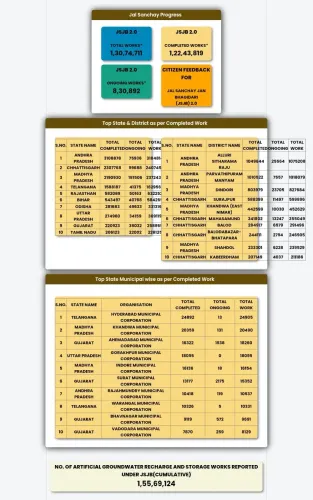
Five districts — Surajpur , Mahasamund , Balod , Baloda Bazar-Bhatapara , and Kabirdham — placed among the top 10 districts in India.
Groundwater-stressed blocks in the state fell from 26 to a significantly lower number, indicating improved water availability.
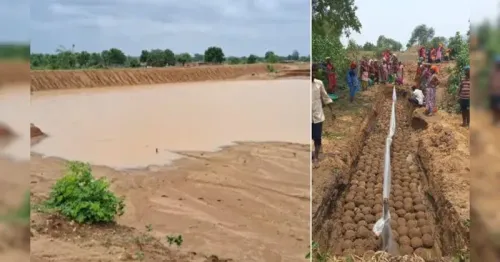
Chhattisgarh covers nearly 4% of India's geographical area and has made water conservation a mass movement involving farmers, panchayats, and local communities.
India's national target is 2 crore new water structures by May 2027 ; Chhattisgarh's model is being cited as a blueprint for other states.
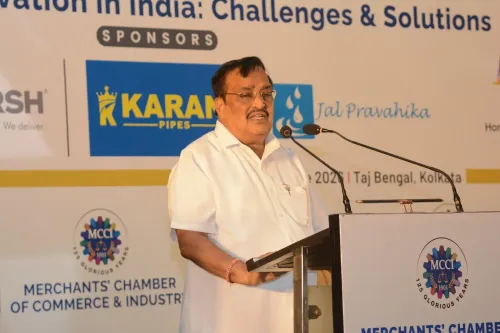
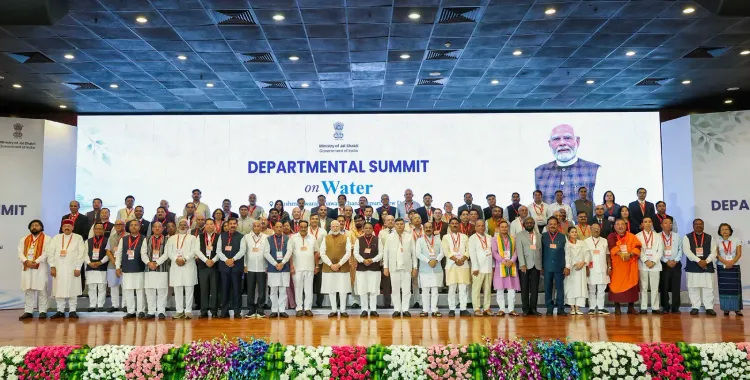
Chief Minister Vishnu Deo Sai on 2 September 2026 presented Chhattisgarh's water conservation achievements at the Ministry of Jal Shakti's departmental summit in New Delhi, announcing that the state had secured the top national rank in the third phase of the Jal Sanchay Jan Bhagidari (JSJB) and Catch the Rain campaigns. The summit, held on 1–2 September 2026, brought together states to review progress toward India's water security targets.
From Second to First: Chhattisgarh's JSJB Journey
Under JSJB 1.0 and JSJB 2.0, Chhattisgarh had consistently ranked second nationally, completing millions of water conservation structures. In the latest JSJB 3.0 phase, the state climbed to the top position, recording extensive rainwater harvesting and groundwater recharge structures across its districts.
Five districts — Surajpur, Mahasamund, Balod, Baloda Bazar-Bhatapara, and Kabirdham — featured among the top 10 districts in the country, reflecting the breadth of adoption of water-saving practices at the grassroots level.
Community-Led Model at the Core
CM Sai attributed the state's rise to a participatory approach that goes beyond government programmes. Chhattisgarh, which accounts for nearly 4% of India's geographical area, has drawn in farmers, panchayats, and local communities as active stakeholders in water conservation.
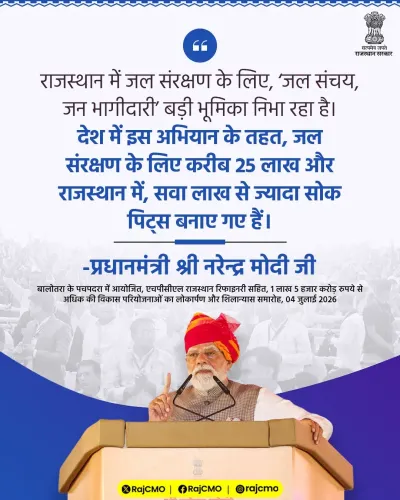
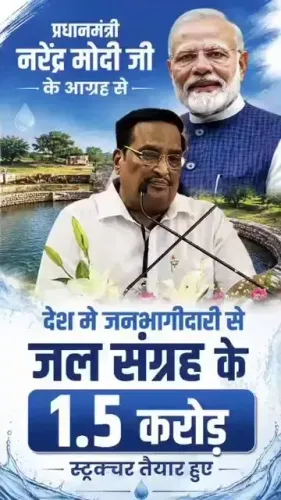
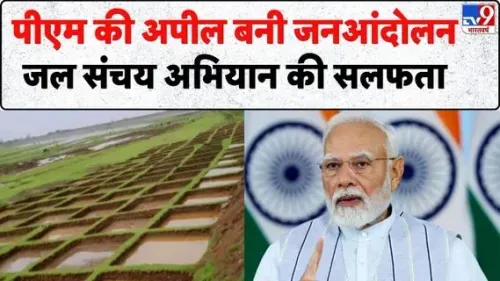
'Instead of limiting water conservation to government programmes alone, the state has empowered local communities,' Sai said at the summit. The state has implemented Prime Minister Narendra Modi's directive — 'Catch the Rain — Where It Falls, Let It Be Stored' — through region-specific strategies tailored to local geography and rainfall patterns.
Measurable Impact on the Ground
The results are quantifiable. The number of groundwater-stressed blocks in Chhattisgarh fell from 26 to a significantly lower figure, indicating improved water availability across the state. Retaining rainwater in fields and villages has expanded irrigation potential, supported crop production, and eased the burden on women who traditionally spend long hours fetching water.
The state's approach — combining scheme convergence, geo-tagging of structures, and regular monitoring — has made water conservation both sustainable and scalable, according to officials.
National Blueprint and India's 2027 Target
The summit noted India's broader target of creating 2 crore new water structures by May 2027. Chhattisgarh's participatory model was cited as a potential blueprint for replication in other states. Senior officials including Principal Secretary Subodh Kumar Singh and Water Resources Secretary Rajesh Sukumar Toppo accompanied CM Sai, signalling the state government's institutional commitment to long-term water security.
With JSJB 3.0 now complete and the national target firmly in view, Chhattisgarh's next challenge is sustaining momentum while other states accelerate their own conservation drives.
Point of View
But the more important signal is the methodology: geo-tagging, scheme convergence, and community ownership are the variables that separated it from states that built structures without sustaining outcomes. The decline in stressed groundwater blocks from 26 is a harder metric than structure counts, and it is the one that matters for long-term water security. The real test now is whether other states can replicate the participatory model or whether Chhattisgarh's success reflects local political will that cannot be easily transferred by policy directive alone. India's 2-crore-structure target by May 2027 is ambitious; without community buy-in, it risks becoming another infrastructure count that does not translate into water availability.
NationPress
3 Sept 2026
Frequently Asked Questions
What is the Jal Sanchay Jan Bhagidari (JSJB) campaign?
Jal Sanchay Jan Bhagidari is a national water conservation initiative under the Ministry of Jal Shakti that focuses on rainwater harvesting and groundwater recharge through community participation. States are ranked on the number and quality of conservation structures completed, with Chhattisgarh topping the third phase in 2026.
Why did Chhattisgarh rank first in JSJB 3.0?
Chhattisgarh secured the top national rank in JSJB 3.0 by combining community-led participation — involving farmers, panchayats, and local bodies — with geo-tagging of structures and regular monitoring. The state had ranked second in the previous two phases before climbing to first in JSJB 3.0.
Which Chhattisgarh districts ranked among India's top 10 in water conservation?
Five districts — Surajpur, Mahasamund, Balod, Baloda Bazar-Bhatapara, and Kabirdham — placed among the top 10 districts nationally in the JSJB 3.0 phase, according to Chief Minister Vishnu Deo Sai's presentation at the Jal Shakti summit.
What is India's national water conservation target by 2027?
India has set a target of creating 2 crore new water structures by May 2027, as noted at the Ministry of Jal Shakti's departmental summit held on 1–2 September 2026 in New Delhi. Chhattisgarh's model has been cited as a potential blueprint for other states to achieve this target.
How has water conservation in Chhattisgarh affected groundwater levels?
The number of groundwater-stressed blocks in Chhattisgarh has fallen from 26 to a significantly lower figure, indicating improved water availability as a result of the state's rainwater harvesting and recharge efforts. Expanded irrigation potential and reduced water-fetching burden on women are among the other reported benefits.