Jal Shakti Minister Paatil Thanks TV9 for Water Campaign Push
Synopsis
Union Jal Shakti Minister C. R. Paatil thanked TV9 on X for prominently covering the 'Jal Sanchay Jan Bhagidari' campaign, saying such media outreach helps take the water conservation message to every citizen. The acknowledgement comes ahead of the monsoon, as the Centre continues to push community-led water stewardship alongside infrastructure programmes like the Jal Jeevan Mission.
Key Takeaways
Union Jal Shakti Minister C.
Paatil posted on 3 June 2026 thanking a television network for covering the 'Jal Sanchay Jan Bhagidari' campaign.
The post, in Hindi, framed media amplification as central to spreading the water conservation message.
The campaign is built on community participation in rainwater harvesting and water-body rejuvenation.
It sits alongside the Jal Shakti Abhiyan (2019) and Catch the Rain (2020) initiatives.
Outreach is timed ahead of the southwest monsoon, when state implementation comes under sharper review.
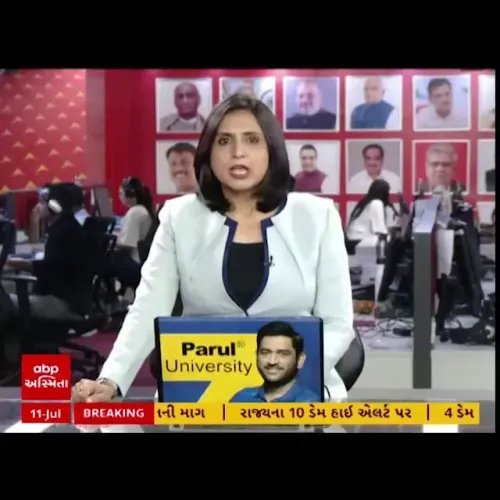
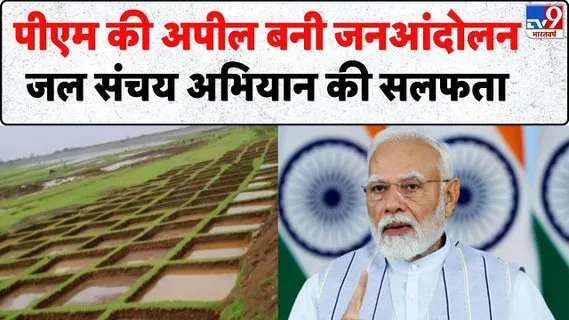
Union Jal Shakti Minister C. R. Paatil on Wednesday, 3 June 2026, publicly acknowledged television coverage that amplified the central government's 'Jal Sanchay Jan Bhagidari' water conservation drive, calling such media outreach instrumental in carrying the message of water stewardship to households across the country. The minister shared his note on X along with a link to a broadcast segment on the campaign.
In the post, written in Hindi, Paatil said: 'Heartfelt gratitude to TV9 for prominently placing the impact of the Jal Sanchay Jan Bhagidari campaign and for helping take the message of water conservation to every citizen.' He attached a YouTube link to the news segment for viewers to watch.
Context
Paatil, a senior Bharatiya Janata Party leader and former Gujarat state president of the party, has held the Jal Shakti portfolio at the Centre and has been a frequent voice in framing water security as a community-driven mission rather than a purely engineering challenge. His outreach has typically combined ministerial reviews with public-facing communication, often crediting media partners for amplification.
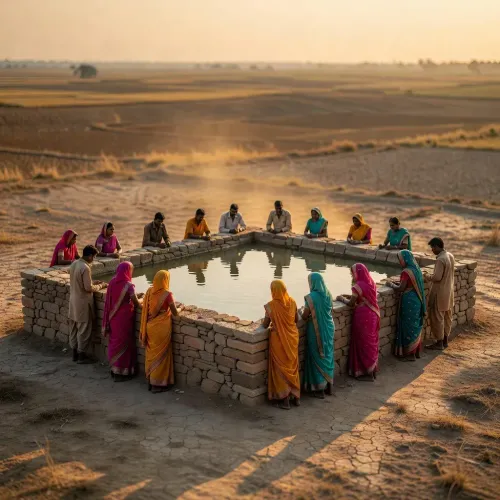
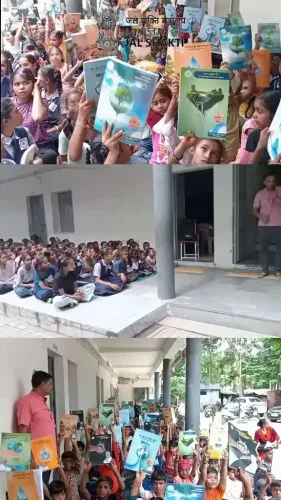
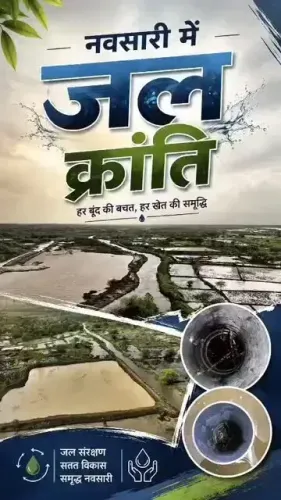
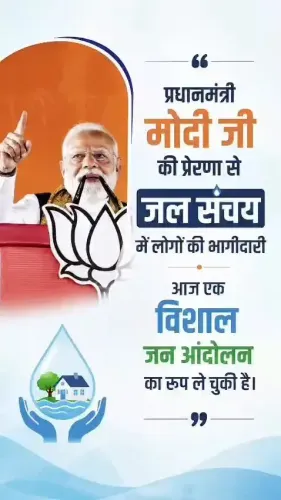
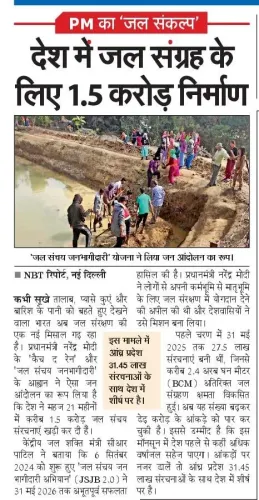
The 'Jal Sanchay Jan Bhagidari' initiative, as its name suggests, is built on the premise of jan bhagidari (people's participation) in rainwater harvesting, recharge structures and the rejuvenation of traditional water bodies. The campaign relies heavily on local volunteers, panchayats and district administrations to translate national targets into village-level action.
Policy backdrop
The acknowledgement sits within a broader arc of central water-conservation programming. The Jal Shakti Abhiyan, launched in 2019, sought to mobilise states for groundwater recharge and conservation in water-stressed districts. It was followed by the Catch the Rain campaign in 2020, which pushed rainwater harvesting structures across urban and rural geographies.
These awareness-oriented drives have run in parallel with the Jal Jeevan Mission, the Centre's flagship programme aimed at providing functional household tap connections, marking a deliberate strategy to pair behavioural change with infrastructure creation. The Ministry of Jal Shakti has consistently positioned media partnerships as a force multiplier in this mix.
Stakeholders and impact
For rural communities and farmers, the framing of water conservation as a shared civic duty has practical implications: village water budgets, shramdaan (voluntary labour) for desilting tanks, and community oversight of recharge wells. State irrigation departments, in turn, are expected to converge their schemes with the campaign's calendar, particularly in the run-up to the monsoon.
The minister's decision to publicly thank a television network also signals the government's continuing emphasis on visibility for participatory schemes, where success is measured not only in structures built but in the depth of community engagement. Broadcast features, in this model, function as both reporting and mobilisation.
What's next
Attention will turn to state-level implementation reviews of water conservation drives ahead of the 2026 southwest monsoon, with district collectors typically asked to certify works completed and water-body rejuvenation undertaken. References to the campaign and its outcomes could also surface in the upcoming parliamentary monsoon session, where opposition members have previously sought data on groundwater levels and tap-water coverage.
For Paatil, the post reinforces a template he has used through his tenure — blending ministerial messaging with media amplification — and underscores that the political success of water missions will hinge as much on sustained public communication as on engineering outputs on the ground.
Point of View
The minister is reinforcing the Centre's bet that behavioural change on water use will only stick if reinforced through mass media. The move also fits a wider pattern in which BJP-led ministries weave participatory campaigns into their political identity, blurring the line between governance delivery and outreach. Whether 'Jal Sanchay Jan Bhagidari' shows measurable groundwater gains will be the harder test.
NationPress
22 Oct 2026
Frequently Asked Questions
What is the Jal Sanchay Jan Bhagidari campaign?
It is a public-participation campaign promoted by the Ministry of Jal Shakti to encourage community-led water conservation, including rainwater harvesting and rejuvenation of traditional water bodies. It relies on panchayats, volunteers and district administrations for on-ground implementation.
Who is C. R. Paatil?
C. R. Paatil is the Union Minister of Jal Shakti and a senior Bharatiya Janata Party leader who previously served as the party's Gujarat state president. He oversees the Centre's water resources and conservation agenda.
How does Jal Sanchay Jan Bhagidari relate to the Jal Shakti Abhiyan?
It is part of the broader policy arc that began with the Jal Shakti Abhiyan in 2019 and Catch the Rain in 2020, all aimed at mobilising states and citizens for groundwater recharge and water conservation.
Why is water conservation in focus before the monsoon?
The pre-monsoon period is when recharge structures, desilting works and harvesting pits are readied so that incoming rainfall can be captured effectively. Central and state agencies typically review preparedness during this window.
What did C. R. Paatil say in his post?
He thanked a television network for prominently covering the 'Jal Sanchay Jan Bhagidari' campaign and said such coverage helps take the message of water conservation to every citizen. He also shared a link to the broadcast segment.