CM Sai's Office Highlights Chhattisgarh Jal Sanvardhan Push
Synopsis
The Chhattisgarh CMO on 10 July 2026 spotlighted CM Vishnu Deo Sai's Jal Sanvardhan water conservation initiative, calling it the bedrock of farmer prosperity and a legacy investment for future generations ahead of the 2026 monsoon season.
Key Takeaways
The Chief Minister's Office of Chhattisgarh posted on 10 July 2026 reaffirming the state's water conservation agenda under the Sushasan Sarkar brand.
Chief Minister Vishnu Deo Sai , in office since December 2023 , has positioned Jal Sanvardhan as a flagship rural welfare programme.
The scheme promotes rainwater harvesting , watershed development , and groundwater recharge to support monsoon-dependent paddy farmers.
Chhattisgarh's water policy builds on the Narwa Garwa Ghurwa Bari programme (2019) and central schemes including Jal Shakti Abhiyan and Atal Bhujal Yojana .
Primary beneficiaries are small and marginal farmers and rural tribal households across the state.
District-level data on tank desilting and check-dam construction ahead of the 2026 monsoon will be the key metric to watch.
The Chief Minister's Office of Chhattisgarh on Friday, 10 July 2026, underscored the state government's ongoing water conservation drive, framing it as a foundation for the prosperity of future generations and a direct uplift for the farming community.
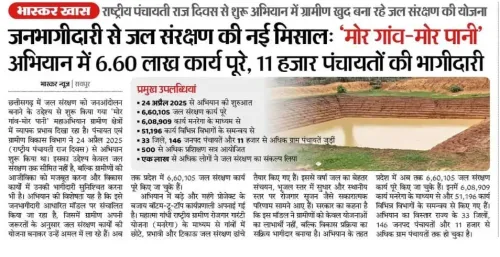
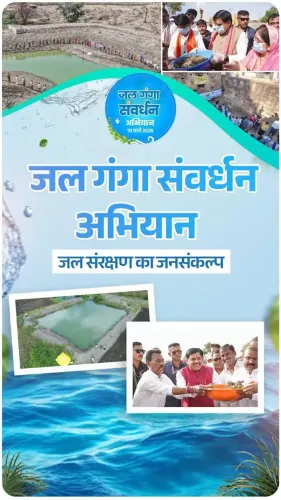
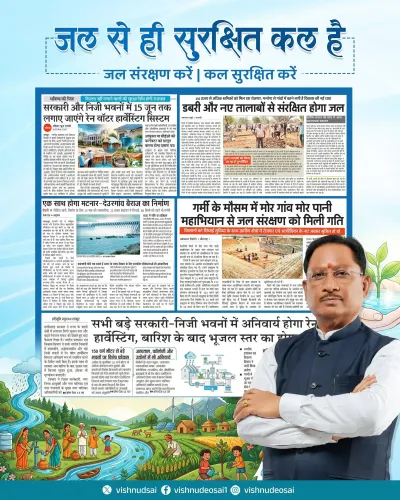
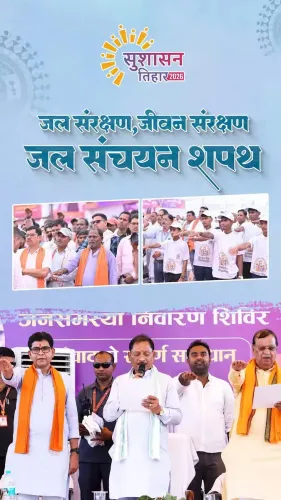
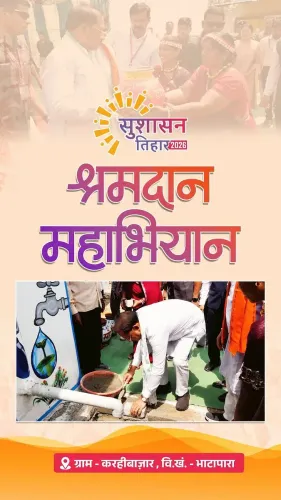
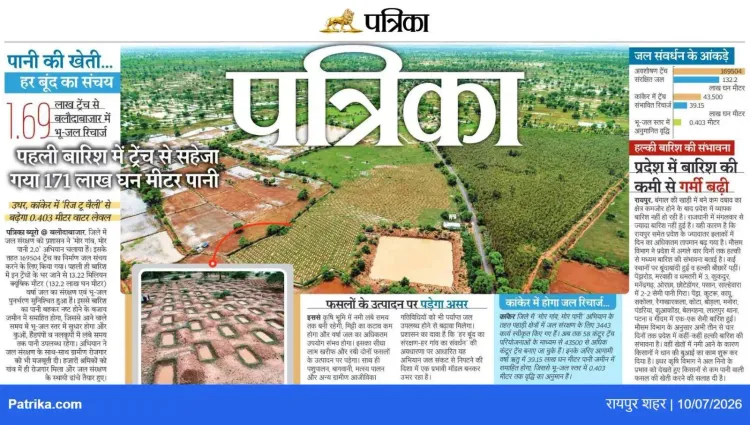
Posting under the hashtags #JalSanvardhan (water conservation) and #ViksitChhattisgarh (developed Chhattisgarh), the office stated: 'Respect for every drop of water, upliftment of every farmer — the Sushasan government's water conservation efforts are becoming the basis of a prosperous future for coming generations.' The message was accompanied by an image and tied explicitly to Chief Minister Vishnu Deo Sai's governance agenda.
Context
Chhattisgarh is a predominantly agrarian state whose economy hinges on monsoon-fed paddy cultivation. Erratic rainfall and declining groundwater tables have made water security a recurring policy priority across successive administrations. The post arrives ahead of the critical 2026 southwest monsoon season, when tank storage and groundwater recharge determine the fate of the kharif crop for millions of small farmers and rural households. The CMO's use of the term Sushasan Sarkar — 'good governance government' — is a deliberate brand marker of the BJP administration that took office in December 2023 under Chief Minister Vishnu Deo Sai, Chhattisgarh's first tribal Chief Minister.Policy Backdrop
The Jal Sanvardhan initiative promotes rainwater harvesting, watershed development, and groundwater recharge specifically to support agriculture. It sits within a longer continuum of state water policy: the previous administration launched the Narwa Garwa Ghurwa Bari programme in 2019, integrating water conservation with livestock management, composting, and nutrition interventions across rural Chhattisgarh. The state has also participated in central government campaigns including the Jal Shakti Abhiyan, which mandated block-level water security plans, and the Atal Bhujal Yojana, focused on groundwater management in water-stressed districts. The current emphasis on Jal Sanvardhan positions the Sai government as continuing — and rebranding — this multi-year policy lineage under its own governance identity.Stakeholders and Impact
The primary beneficiaries of water conservation investment in Chhattisgarh are small and marginal farmers, who depend on seasonal tanks, check-dams, and canal networks for irrigation when the monsoon is uneven. Rural households — particularly in the state's tribal belt — also rely on groundwater for drinking and domestic use, making recharge programmes doubly significant. Water availability directly influences cropping decisions, crop insurance claims, and rural income levels. Sustained investment in watershed infrastructure has been shown across comparable Indian states to reduce distress migration and improve soil moisture retention, extending the effective cultivation window beyond the monsoon months.What's Next
District-level progress reports on tank desilting and check-dam construction are expected ahead of and during the 2026 monsoon. Budget allocations for Jal Sanvardhan in the current financial year will signal the scale of the government's commitment beyond social-media communication. Observers will watch whether the state releases measurable targets — such as hectares of watershed treated or volume of additional groundwater recharged — to back the broader 'Viksit Chhattisgarh' development narrative.Point of View
Tying water security to the 'Sushasan Sarkar' brand that the Sai administration has built since December 2023. By invoking farmer upliftment alongside environmental stewardship, the government is signalling that agrarian welfare — not just infrastructure — is the frame for its water policy. This mirrors a broader BJP state-government pattern of wrapping long-standing bureaucratic programmes in fresh governance narratives to claim ownership ahead of electoral cycles. The real test will be whether district-level implementation data validates the communication, or whether Jal Sanvardhan remains primarily a branding exercise.
NationPress
8 Oct 2026
Frequently Asked Questions
What is the Jal Sanvardhan scheme in Chhattisgarh?
Jal Sanvardhan is a Chhattisgarh government initiative focused on rainwater harvesting, watershed development, and groundwater recharge to support agriculture and rural water security, particularly for small and marginal farmers.
Who is the Chief Minister of Chhattisgarh in 2026?
Vishnu Deo Sai is the Chief Minister of Chhattisgarh. He took office in December 2023 after the BJP's victory in the state assembly elections and is Chhattisgarh's first tribal Chief Minister.
What is Sushasan Sarkar in Chhattisgarh?
Sushasan Sarkar translates to 'good governance government' and is the branding term used by the Vishnu Deo Sai-led BJP administration in Chhattisgarh to describe its governance approach since December 2023.
What was the Narwa Garwa Ghurwa Bari programme?
Narwa Garwa Ghurwa Bari was an integrated rural development programme launched in Chhattisgarh in 2019 , combining water conservation (Narwa) with livestock management, composting, and kitchen garden interventions to improve rural livelihoods.
Why is water conservation important for Chhattisgarh farmers?
Chhattisgarh's agriculture is heavily dependent on monsoon rainfall for paddy cultivation. Declining groundwater levels and erratic rainfall make watershed management and tank renovation critical for ensuring irrigation access and reducing crop failure risk for small farmers.